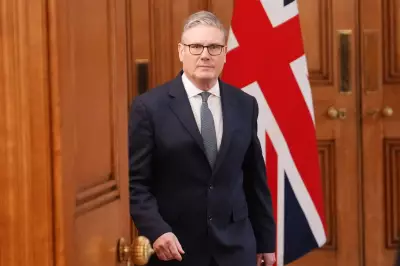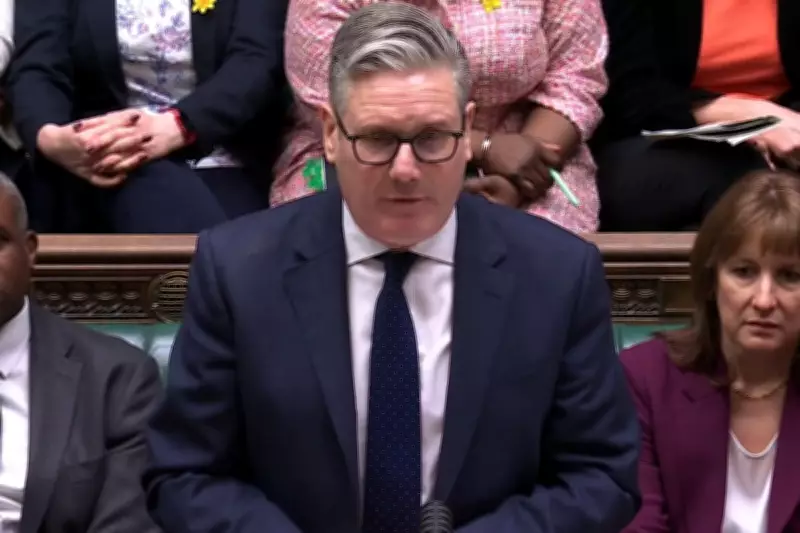
Prime Minister Sir Keir Starmer has robustly defended his government's response to the escalating crisis with Iran, following sharp criticism from former US President Donald Trump and opposition Tory MPs. Speaking during Prime Minister's Questions in the House of Commons, Starmer described the Middle East situation as "serious and volatile" but insisted his administration would act with "clarity and purpose".
Cool Head in a Volatile Situation
The Labour leader emphasised that the unfolding crisis required a "cool head" as he outlined his priorities. "This Government will be resolute in our focus, protecting British lives, bringing our people home, and safeguarding our national interest," Starmer told Parliament. He acknowledged widespread public concern, stating "the whole country is worried about the potential for escalation" in the region.
Military Assets Already Deployed
Sir Keir revealed that significant military assets, including advanced F-35 fighter jets, are already positioned in the Middle East region. However, he maintained a cautious approach to direct military involvement, explaining: "What I was not prepared to do on Saturday was for the UK to join a war unless I was satisfied there was a lawful basis and a viable, thought-through plan. That remains my position."
Trump's Churchill Comparison Criticism
The Prime Minister's stance has drawn particular fire from Donald Trump, who expressed dissatisfaction with Britain's level of support for US operations. "I'm not happy with the UK," Trump stated on Tuesday, adding pointedly: "This is not Winston Churchill that we're dealing with."
Initially, the UK government denied US forces access to British bases including Diego Garcia in the Indian Ocean and RAF Fairford in Gloucestershire for strikes against Iranian targets. Following Iran's retaliatory actions, Starmer has since granted limited permission for US aircraft to use UK bases specifically for targeting missile launchers and infrastructure, though RAF jets remain uninvolved in offensive operations.
Tory Questions Over Offensive Action
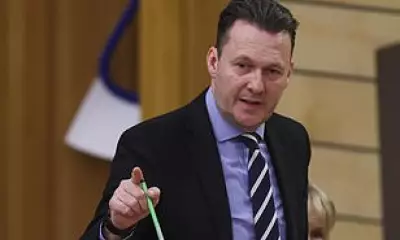
Conservative leader Kemi Badenoch challenged the government's response during the Commons session, questioning why the Royal Air Force had not taken "offensive action" against Iranian missile sites following attacks on British bases in Bahrain and Cyprus.
Starmer responded by reiterating his government's priorities: "The protection of UK nationals is our number one priority. We're taking action to reduce the threat with planes in the sky in the region intercepting incoming strikes, deploying more capability to Cyprus, and allowing US planes to use UK bases to take out Iran's capability to strike."
Enhanced Defence Measures
The government is implementing additional defensive measures, including sending the air defence destroyer HMS Dragon to the eastern Mediterranean to help protect Cyprus. However, the Type 45 warship is not expected to sail until next week, highlighting the logistical challenges of rapid military deployment.
Sir Keir's approach represents a careful balancing act between supporting allies, protecting British interests abroad, and maintaining parliamentary and legal scrutiny over military engagements. The Prime Minister's emphasis on lawful basis and thorough planning reflects his government's commitment to measured responses in international crises, even under significant political pressure from both domestic opponents and international allies.