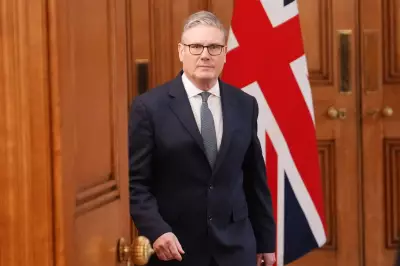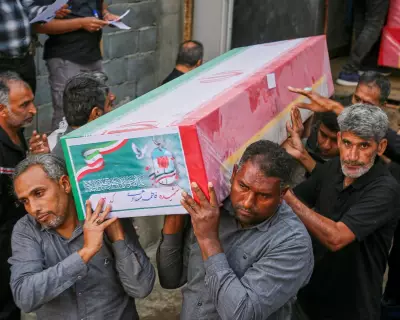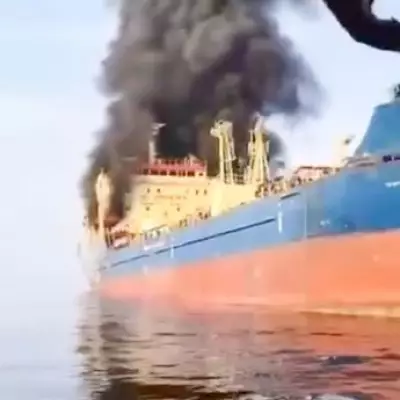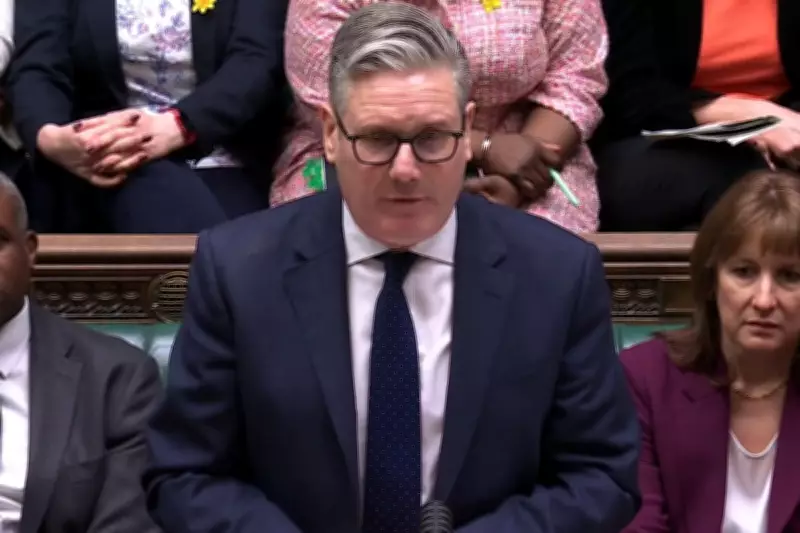
Prime Minister Sir Keir Starmer has robustly defended his government's handling of the escalating Iran crisis, facing sharp criticism from former US President Donald Trump and Conservative opponents. Speaking at Prime Minister's Questions on Wednesday, Starmer described the Middle East situation as "serious and volatile" but insisted his administration would respond with "clarity and purpose."
Criticism from Trump and Tory MPs
The Labour leader has come under significant fire for his initial refusal to permit British military bases to be utilised in offensive operations against Iran. This decision drew direct condemnation from Donald Trump, who publicly questioned Starmer's resolve. Simultaneously, the government has faced scrutiny from Tory MPs over perceived failures in protecting RAF Akrotiri from a recent drone attack, amplifying political pressure.
Starmer's Calm and Resolute Stance
In his parliamentary address, Sir Keir emphasised that the crisis demands a "cool head" to prevent further escalation. He stated, "The whole country is worried about the potential for escalation in the Middle East, and we need to act, therefore, with clarity, with purpose, and with a cool head." The Prime Minister outlined his government's primary objectives, which are firmly centred on safeguarding British nationals and national interests.
Key priorities highlighted by Starmer include:
- Protecting British lives both domestically and abroad.
- Facilitating the safe return of stranded UK citizens from the region.
- Deploying military assets, including advanced F-35 fighter jets, already positioned in the area.
Focus on National Security and Diplomacy
Starmer reiterated his commitment to a measured approach, asserting, "This Government will be resolute in our focus, protecting British lives, bringing our people home, and safeguarding our national interest." His remarks underscore a strategic balance between military preparedness and diplomatic caution, aiming to de-escalate tensions while ensuring robust defence capabilities.
The ongoing crisis has sparked intense debate in Westminster, with critics arguing for a more aggressive stance. However, Starmer's defence signals a deliberate policy of restraint and calculated response, prioritising civilian safety and long-term stability over immediate military engagement. The situation remains fluid, with the government monitoring developments closely as it navigates this complex international challenge.