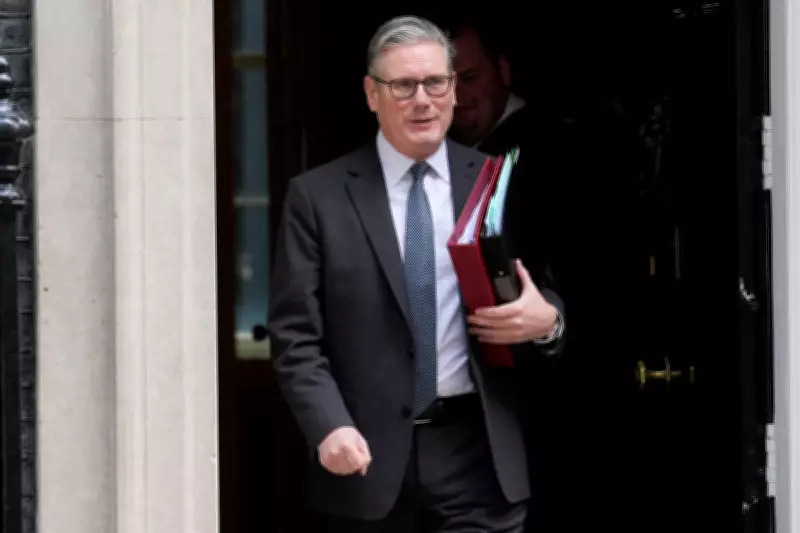
Prime Minister Sir Keir Starmer has publicly accepted responsibility for what he termed a "mistake" in appointing Lord Peter Mandelson as ambassador to Washington, as Downing Street firmly rejected allegations of a "cover-up" regarding the release of government files related to the controversial decision.
Fresh Questions Over Judgment and Procedure
The Prime Minister is facing renewed scrutiny over his judgment in granting the ambassadorship to the peer, despite explicit warnings about a "general reputational risk" stemming from Mandelson's association with the convicted paedophile Jeffrey Epstein. This development follows the publication of government documents on Wednesday, which has intensified media and political pressure on Sir Keir.
Starmer's Public Apology and Explanation
In his first public appearance since the documents were released, Sir Keir addressed reporters during a visit to Northern Ireland. He stated, "The release of the information shows what was known. That led to further questions being asked. Unfortunately, because of the Metropolitan Police investigation, we can't release that information yet. But that doesn't take away from the fact that it was me that made a mistake, and it's me that makes the apology to the victims of Epstein, and I do that."
The absence of Sir Keir's personal comments in the trove of released government papers has come under intense scrutiny, raising significant questions about whether proper procedures were followed during the appointment process.
Tory Allegations and No 10's Response
Tory leader Kemi Badenoch has been particularly vocal in her criticism, claiming that "a lot of information is missing" from the released files. She specifically pointed to an empty box that Sir Keir was reportedly required to fill beneath advice he received in 2024 concerning the appointment, suggesting this indicates incomplete disclosure.
Mrs Badenoch told the Press Association, "The comments which Keir Starmer would have put on the box notes – those are the cover notes where you explain what you want to happen – are missing. They have been removed. We need the full details of what the Prime Minister did. There is still a cover up going on."
In response, No 10 has categorically denied any suggestion of a cover-up. The Prime Minister's official spokesman told reporters, "I refute the suggestion of a cover up. The Government's complied fully. I just don't accept that it's the case at all. There are a range of different ways in which the Prime Minister's senior team responds to advice."
The spokesman further clarified that no notes by Sir Keir had been redacted from the released documents, adding, "The Prime Minister did read the advice, but clearly there are lessons to be learned on the wider appointment processes, and the processes that led up to them."
Broader Implications and Ongoing Scrutiny
This controversy highlights ongoing concerns about transparency and accountability within government appointment procedures. The connection to Jeffrey Epstein, whose crimes have had far-reaching consequences, adds a particularly sensitive dimension to the scrutiny facing Sir Keir's administration.
As the Metropolitan Police investigation continues, further details may emerge that could impact public perception of the government's handling of this matter. The political fallout from this episode is likely to persist, with opposition parties expected to maintain pressure for full disclosure and accountability.