SNP Equalities Minister Opposes Blanket Ban on Biological Males in Female Spaces
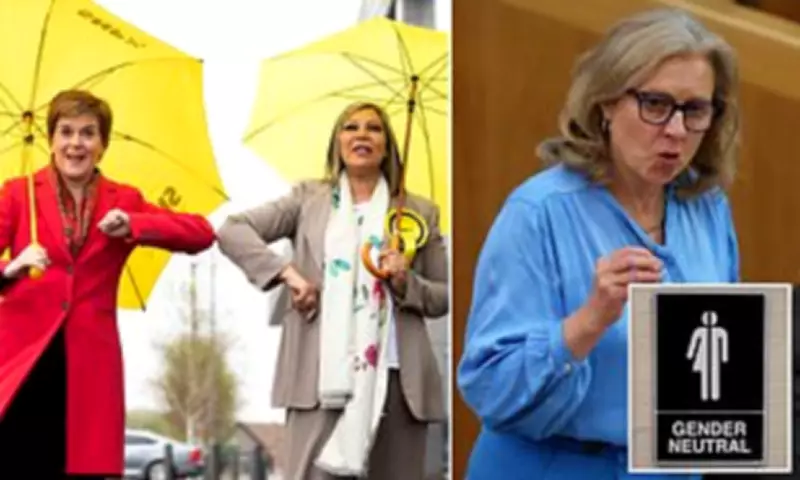
Kaukab Stewart, the SNP's equalities minister, has publicly stated that a blanket ban on biological males entering female-only spaces should not be introduced. This position has ignited significant controversy, with critics accusing the Scottish National Party of disregarding a recent Supreme Court ruling on the matter.
Controversial Comments at Election Hustings
Ms Stewart made her remarks during an election hustings event, where she argued against implementing a comprehensive prohibition. She emphasized that human rights are not selective and that different communities should not be pitted against one another. The MSP for Glasgow Kelvin stated, 'It is absolutely possible to have differences of opinions and views, and live in and respect each others' spaces. What we cannot do is to blanket ban people from places. The very virtue of being a human gives you these rights.'
Her comments have drawn sharp criticism, particularly from Scottish Conservative politicians. Rachael Hamilton, a Tory MSP, condemned the stance, labeling it as evidence that 'Nicola Sturgeon's toxic gender ideology still has a firm grip on the SNP'. This accusation comes nearly a year after the Supreme Court issued a clear ruling on related issues, which critics argue the SNP is failing to adhere to.

First Minister's Response and Legal Implications
When asked for his response, First Minister John Swinney declined to distance himself from Ms Stewart's comments. He referenced the Supreme Court's established legal position, stating, 'The legal position on that question has been established by the Supreme Court, and we've got to apply and interpret those issues in relation to all of our policy questions.'
Mr Swinney further explained that everyone in society has rights that must be respected, and the government must carefully apply the Supreme Court judgement, which acknowledges protected characteristics. He warned, 'If we ignore that, we could potentially be at risk of legal default.' This cautious approach highlights the complex legal landscape surrounding gender and equality issues in Scotland.
Background and Political Fallout
Kaukab Stewart has previously been involved in contentious situations, including being pictured at a rally where activists called for feminist 'Terfs' to be decapitated. This background has fueled the current debate, with opponents using it to question her judgement on gender-related policies.
Rachael Hamilton, the Scottish Conservative deputy leader, intensified her criticism, saying, 'These shameful comments from the equalities minister prove that Nicola Sturgeon's toxic gender ideology still has a firm grip on the SNP – despite being in breach of the law.' She added, 'It's nearly a year since the Supreme Court's crystal-clear ruling, yet Nationalists still refuse to accept it, putting women and girls at risk. Swinney is betraying women.'
The debate centers on the balance between protecting women's spaces and respecting the rights of transgender individuals. Ms Stewart's opposition to a blanket ban suggests a preference for case-by-case assessments rather than broad prohibitions, aligning with her view that human rights are universal and indivisible.
This issue continues to be a flashpoint in Scottish politics, with implications for policy-making, legal compliance, and public safety. The SNP's stance, as articulated by its equalities minister, underscores the ongoing tension between progressive gender ideologies and traditional protections for single-sex spaces.