Scotland's Assisted Dying Bill Defeat Sparks Renewed Determination in England
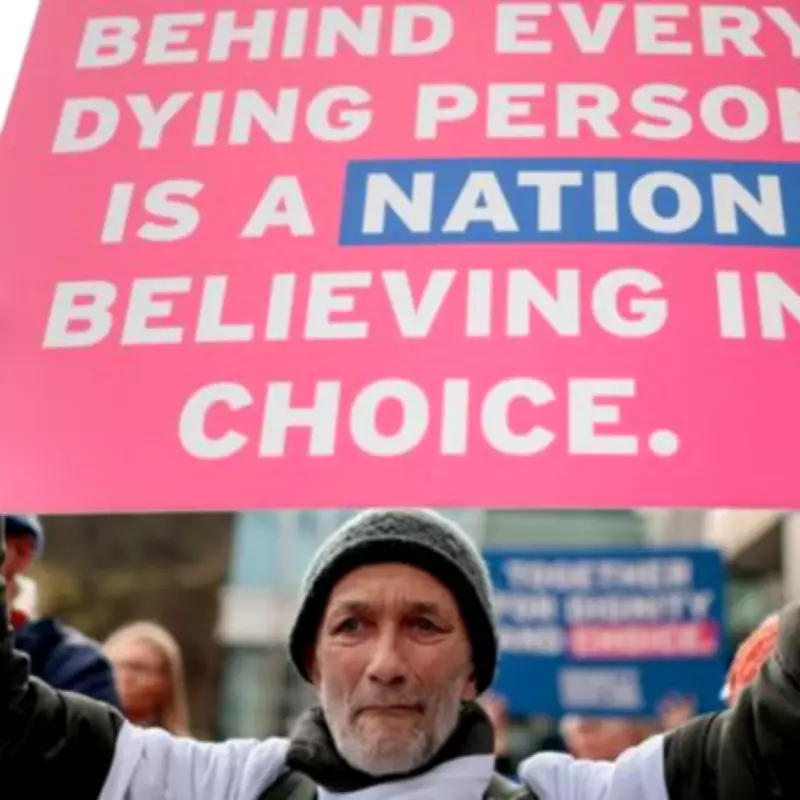
Campaigners across the border have vowed that the defeat of the assisted dying bill in Scotland will not halt the push for legislative change in England. On Tuesday evening, the Scottish Parliament rejected the Assisted Dying for Terminally Ill Adults (Scotland) Bill after emotional debates, with MSPs describing the "grotesque" deaths faced by some terminally ill individuals.
Had it passed, the bill would have made Scotland the first UK nation to legalise assisted dying. The defeat coincides with a similar bill in Westminster being stalled in the House of Lords, where approximately 1,200 amendments have been proposed, making passage in the current session unlikely.
Campaigners Remain Hopeful Despite Setbacks
Supporters of assisted dying, including organisations like Humanists UK and My Death, My Decision, express optimism that the bill can be resurrected in the next parliamentary session. Lord Falconer and Kim Leadbeater MP, sponsors of the Terminally Ill Adults (End of Life) Bill, suggest using the Parliament Act to bypass the Lords and enact the legislation.

Widow Louise Shackleton, who accompanied her husband to Dignitas in December 2024, voiced disappointment but confidence that England and Wales will proceed. "The Lords tried to kill it, but that bill can be resurrected!" she stated, criticising a perceived lack of empathy in debates.
Personal Stories Fuel the Campaign
Leighanne Baird-Sangster, who supported the Scottish bill after witnessing her wife and sister die from cancer, described feeling "gutted" by the 57-69 vote against it. However, she emphasised that public support remains strong, with nearly 80% of Scots backing change. "This issue is going nowhere," she declared, highlighting the resolve of families affected by terminal illness.
Liberal Democrat MSP Liam McArthur, the bill's sponsor, expressed deep disappointment but affirmed that the conversation will continue. "For so long as dying Scots continue to suffer... I'm certain that it will be an issue in front of Parliament once more," he said.
Opposition and Concerns Over Vulnerable Groups
Opponents of assisted dying hailed the Scottish vote as a "victory for the vulnerable," raising concerns about coercion and pressure on disabled individuals. Michelle Anna Moffat, a former nurse paralysed after a spinal accident, argued that legalisation could endanger those feeling like burdens. Independent MSP Jeremy Balfour warned of opening "a pandora's box" with inadequate protections against coercion.
Calls for Improved End-of-Life Care
Former Prime Minister Gordon Brown urged UK governments to cooperate in addressing the "postcode lottery" in end-of-life care. He called for "urgently needed improvements" to ensure compassionate, high-quality care nationwide, framing it as a moral duty to prevent avoidable suffering.
Peter Warren of the World Federation Right to Die Societies criticised the influence of "radical faith groups" in the debate, suggesting they skewed perceptions and left vulnerable individuals without safer options. As the assisted dying debate persists, campaigners in England remain steadfast, viewing Scotland's setback as a catalyst rather than a barrier to change.