Schröder's Political Revival: A Misguided Longing for Germany's Past
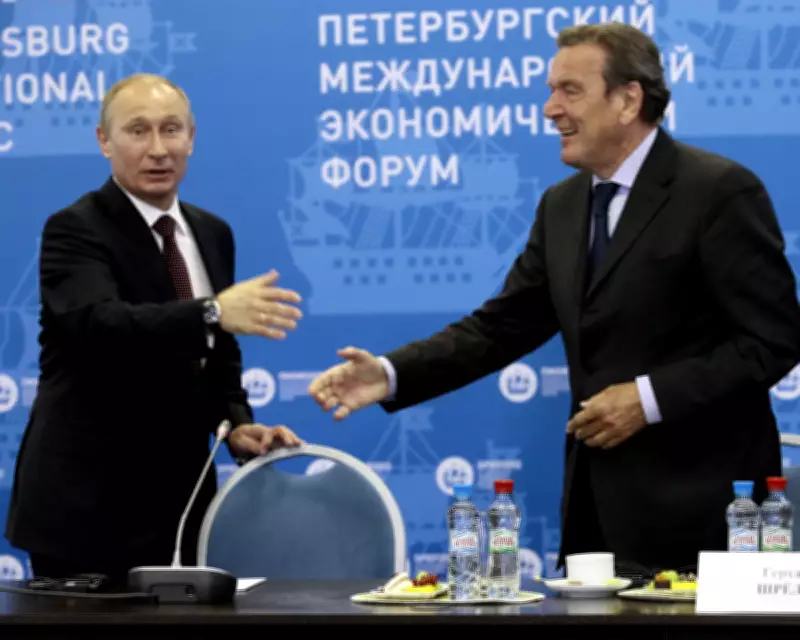
The former German chancellor, Gerhard Schröder, is experiencing a curious political resurgence. Not long ago, his reputation appeared irreparably damaged due to his close ties with Russia and personal friendship with Vladimir Putin, especially following the full-scale invasion of Ukraine. Fellow Social Democrats (SPD) attempted to expel him from the party, and the government recently defunded his ex-chancellor's office. Yet, a wave of Schröder nostalgia is now permeating German political discourse, reflecting less a reevaluation of his tenure and more a desperate identity crisis on the centre-left.
The Trigger for Nostalgia
Schröder's name has resurfaced prominently after current German vice-chancellor and SPD co-chair Lars Klingbeil proposed an ambitious reform package to "modernise" the country. This included economically liberal measures, such as reducing state subsidies and incentivising more work, reminiscent of Schröder's controversial "Agenda 2010" reforms. Media outlets quickly drew parallels, with headlines like "Klingbeil does a Schröder" and reports of a "Schröder moment." Schröder himself endorsed the analogy, stating that Germany needs a new Agenda policy, highlighting the alignment as Klingbeil began his political career in Schröder's constituency office 25 years ago.
A Shift in Tone and Legacy
Remarkably, this coverage adopts a positive tone, contrasting sharply with recent years. In 2022, Schröder faced intense pressure, leaving roles at Rosneft and pausing plans with Gazprom after Russia's invasion of Ukraine. A poll revealed that three-quarters of Germans, including 79% of SPD voters, wanted him expelled from the party. Historically, Germany reveres elder statesmen, but Schröder became a pariah due to his unrepentant stance on Russia. His chancellorship from 1998 to 2005 was marked by policies that now haunt Germany: he architectured the Nord Stream pipelines, deepening energy dependence on Moscow, and cut defence spending below 1.3% of GDP.

The SPD's Desperate Yearning
The SPD's longing for Schröder stems from a deep crisis. Schröder won elections with 41% and 39% of the vote in 1998 and 2002, respectively, while the SPD recently scored just 16% in federal elections, its lowest since the 19th century. Polls show the party at 15% or below, trailing behind the CDU and AfD. Schröder's charisma, exemplified during the 2002 floods when he consoled victims authentically, won him popularity, especially in East Germany. Today, the SPD lacks such grounded figures, with nearly 90% of MPs holding university degrees, while the AfD appeals to working-class voters.
Misguided Emulation and Lessons
Klingbeil hopes to emulate Agenda 2010 to save the SPD, but this focus is misguided. Schröder lost the 2005 election, and his reforms contributed to a large low-wage sector, increased working poverty, and widened income inequality. Moreover, his energy and defence policies have proven grave mistakes in light of current geopolitical realities. The SPD should address present-day issues like migration, the AfD's rise, and Russia's aggression, rather than clinging to a flawed past. While Schröder's ability to connect with voters offers lessons, his errors preclude a restoration in Germany's postwar pantheon.
In conclusion, the SPD must forge a fresh approach, learning selectively from history without romanticising Schröder's tenure. Klingbeil should navigate the new political order, focusing on innovative solutions rather than misguided nostalgia.