SAVE America Act's Voter ID Requirements Face Constitutional Scrutiny
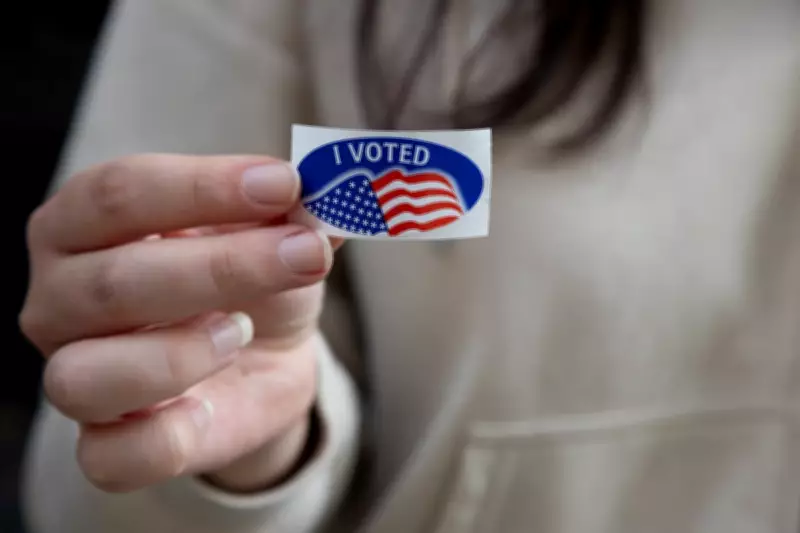
The Republican-controlled House of Representatives has passed the Safeguard American Voter Eligibility Act, commonly known as the SAVE America Act, for the third consecutive year. Approved on February 11, 2026, this legislation would impose stringent new requirements for voting in federal elections, mandating that individuals provide documentary proof of U.S. citizenship when registering and present photo identification at the polls.
Potential Impact on Voting Access
Voting rights experts and advocacy organizations have raised significant concerns about the potential for voter suppression under the SAVE America Act. They argue that the bill would create substantial barriers, particularly in low-income and minority communities, where many residents lack the required forms of identification due to socioeconomic factors.
Currently, approximately 21 million voting-age American citizens—about 9% of the eligible population—do not possess driver's licenses, let alone proof of citizenship. The acceptable documents under the act include:

- U.S. passports
- Birth certificates
- U.S. military identification cards
- REAL IDs that demonstrate citizenship (though most do not)
For individuals who turn 18 or move between states, registration could be denied without these documents readily available. Even married people with changed last names might face challenges using birth certificates as proof.
Constitutional Questions Loom Large
Beyond practical concerns, the SAVE America Act faces fundamental constitutional challenges. The U.S. Constitution says little about voting rights, with subsequent amendments prohibiting discrimination based on race, sex, or age but leaving voter eligibility requirements largely to the states.
Under our federalist system, states have exclusive authority to set voter qualifications for both state and federal elections. The Supreme Court reinforced this in its 2013 Arizona v. Inter Tribal Council ruling, stating that nothing in the Constitution suggests Congress should set voting qualifications for federal elections.
Historical Context and Legal Precedents
While all states currently limit voting to citizens, this hasn't always been the case. Historically, at least 19 states extended voting rights to noncitizens during the 18th and 19th centuries. Today, over 20 municipalities and the District of Columbia allow permanent noncitizen residents to vote in local elections.
Proponents of the SAVE America Act, including Utah Senator Mike Lee, cite the Constitution's elections clause, which grants Congress power to regulate the "Times, Places and Manner" of congressional elections. However, the Supreme Court has explicitly stated this clause applies to election procedures, not voter qualifications.
Political Dynamics and Future Prospects
Every co-sponsor of the SAVE America Act is Republican, reflecting the party's focus on election security. President Donald Trump has expressed support for such measures, recently calling for Republicans to nationalize elections. Should the Senate pass the bill—which appears unlikely given Democratic opposition—Trump would almost certainly sign it into law.
If enacted, the legislation would likely face immediate legal challenges, forcing courts to reconcile it with constitutional principles. For now, the debate continues over whether Congress has the authority to implement such requirements and what their real-world impact would be on American democracy.