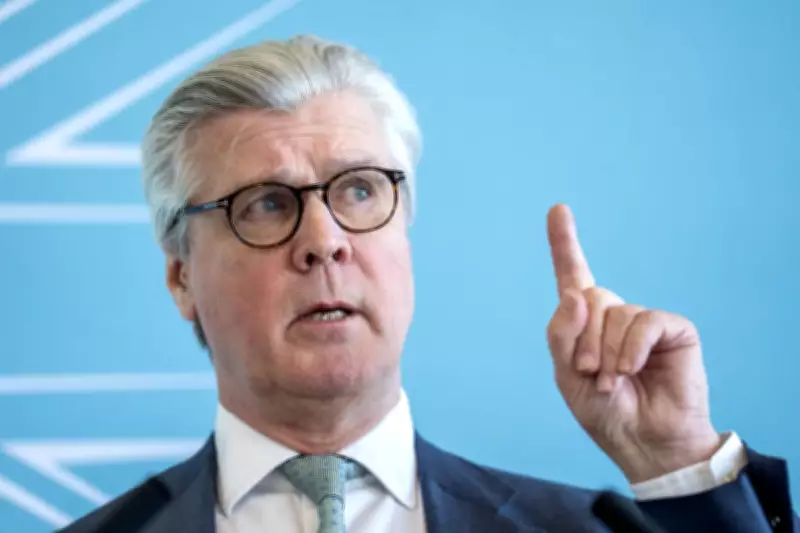
Malcolm Offord, the leader of Reform UK in Scotland, has publicly defended his party's Holyrood candidates following the emergence of what he described as "fruity" comments on social media. The controversy erupted after several candidates were found to have posted content supporting far-right figures and making inflammatory remarks about Muslims and former First Minister Humza Yousaf.
Controversial Social Media Posts Surface
The Daily Record reported that Senga Beresford, Reform's candidate for Galloway and West Dumfries, had expressed support for Tommy Robinson and called for the deportation of Muslims in past social media activity. Meanwhile, The Courier revealed that Linda Holt, standing in Fife North East, had described Mr Yousaf as a "grandstanding Islamist moron" and questioned his British identity in online posts.
Offord's Defence of Candidates
Lord Offord confirmed on Friday that he was aware of these remarks before the candidates were officially announced. Speaking to BBC Radio Breakfast Scotland, he argued that "real people with real lives" sometimes make "intemperate" comments in their past. "Everybody in their lives in the past might have said something intemperate," Offord stated, adding that such remarks don't necessarily make someone "a bad person."

The Reform UK Scotland leader emphasized that both Holt and Beresford made their comments before becoming party members or candidates. "This was said before she was a candidate. She wasn't even a member of the party at that time," he explained regarding Holt's posts.
Political Reactions and Criticism
First Minister John Swinney condemned one candidate's remark about wearing a "tartan burqa" as racist, a characterization Lord Offord rejected. Scottish Labour leader Anas Sarwar, who is Muslim, described Beresford as "poisonous" and called on Reform UK national leader Nigel Farage to remove her from the candidate list.
Lord Offord responded to critics by urging people to "grow up" and "not take offence at every moment in time." He maintained that as long as candidates haven't committed criminal acts, they should be allowed to express opinions, even if they've said "something fruity in the past."
Vetting Process and Candidate Backgrounds
The former Tory minister insisted that Reform UK spends "a lot of time on vetting" candidates but acknowledged the party has attracted "interesting" and "real" people to stand for election. At Thursday's manifesto launch, Nigel Farage noted that some Scottish candidates were previously members of the SNP or Conservatives, while others were political newcomers he described as "complete political virgins."
Electoral Context and Polling
The controversy emerges as Reform UK positions itself for potential gains in the upcoming Scottish Parliament elections. Current polling suggests the party could secure around 20% of the vote in May, potentially making it the second-largest party at Holyrood. The manifesto announcement and candidate revelations have intensified scrutiny on Reform UK's selection process and the backgrounds of those representing the party in Scotland.
Lord Offord concluded his defence by stating: "We're not stopping people from standing for Reform UK just because they might have said something fruity in the past." The remarks have sparked broader discussions about candidate vetting, free speech boundaries, and political accountability in the digital age where past comments remain permanently accessible.