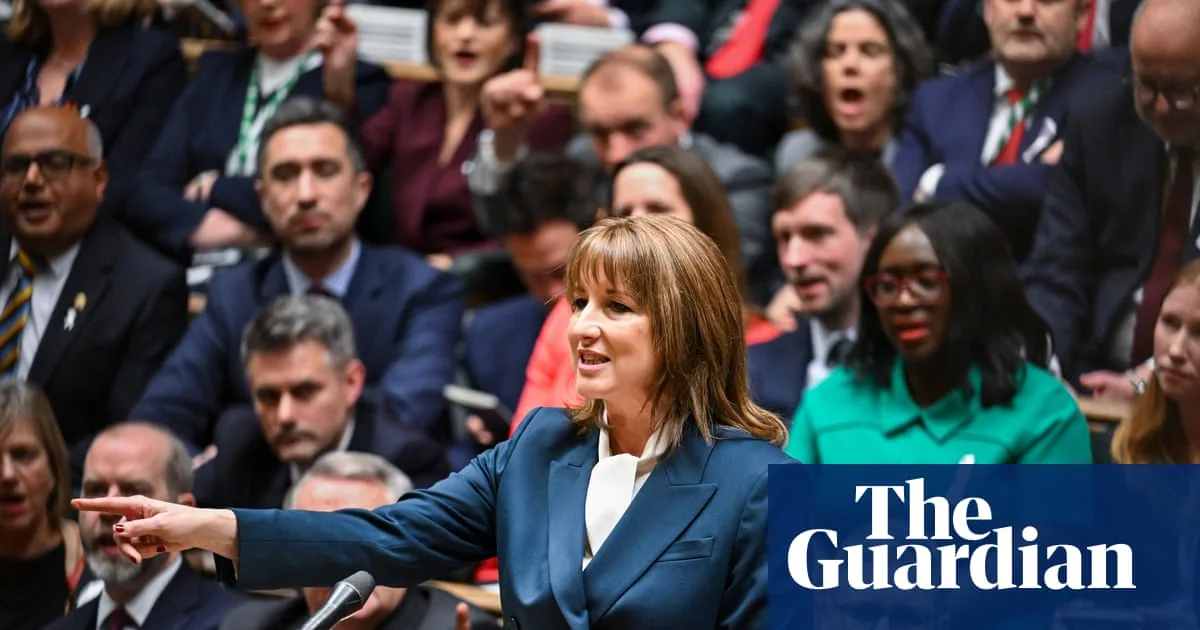
Chancellor Rachel Reeves has averted an immediate crisis for Labour with her budget, but the danger is not over yet, according to political observers. After weeks of anxiety over manifesto breaches and speculation about Keir Starmer’s leadership, Reeves urged Labour MPs to back her high-stakes budget, insisting it was fair overall. However, the broad mix of measures leaves room for things to go wrong, with Labour figures anxious about a repeat of George Osborne’s notorious ‘omnishambles’ budget.
Reeves told MPs at a private meeting on Monday night: “A budget involves choices. Choices are things that we do, and also things that we don’t do. I hope that you like every single measure but you might not. The budget is a package. It’s not a pick and mix.” But one of the chancellor’s biggest dangers is that the budget ends up looking like a handful of ideas grabbed at random, after she dropped plans for a manifesto-busting income tax rate rise due to higher wage growth and destabilising speculation over Starmer’s future.
The delay in delivering the budget until the last possible moment created uncertainty, exacerbated by damaging leaks and speculation from ministers themselves. The Office for Budget Responsibility’s embarrassing leak half an hour before Reeves stood up added to the sense of chaos. Labour MPs have spent weeks worrying about the stability of the government, with Reeves and Starmer’s fates intertwined. Winning over Labour MPs was pressing, as 80 disgruntled backbenchers is enough to trigger a leadership contest.
Reeves presented the budget as a progressive moment, highlighting that while taxes would go up, the wealthiest would pay more. Labour MPs cheered energy bills falling by £150 a year, the freeze in rail fares, a rise in the minimum wage, and the scrapping of the two-child benefit limit. Among many Labour MPs there is a sense of relief, but not unconditional approval. MPs know they will face questions about taxes at record highs, with more people dragged into higher rates due to the threshold freeze – a manifesto breach in all but name.