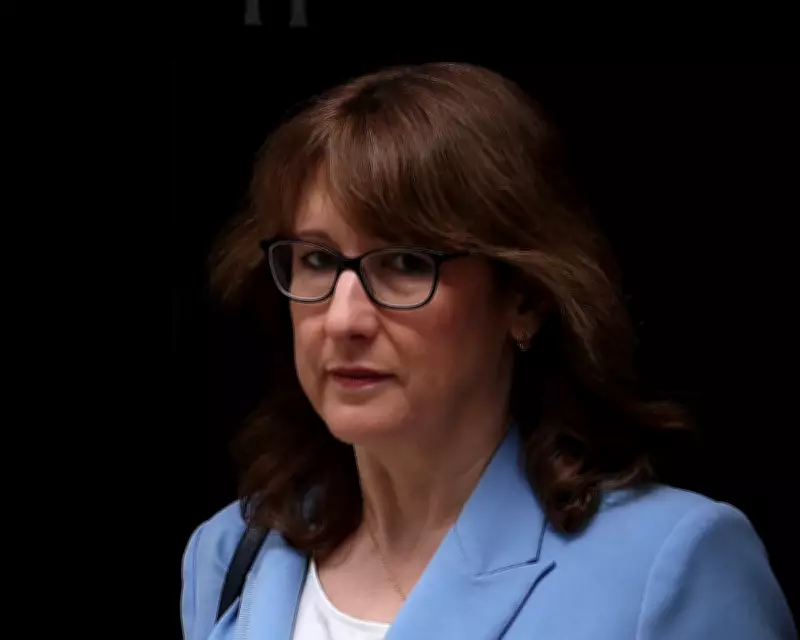
Chancellor Rachel Reeves has launched a scathing attack on what she termed the "folly" of the United States' decision to wage war against Iran without establishing a coherent exit strategy. Speaking candidly to the Mirror ahead of her journey to Washington for the International Monetary Fund's spring gathering, Reeves expressed profound frustration and anger over the conflict's initiation.
Economic Repercussions and Inflationary Pressures
The Chancellor renewed her pointed criticism of the war, emphasising its role in driving up global oil prices and threatening a fresh surge in inflation across Western economies. Her remarks follow a turbulent period marked by the collapse of US-Iran peace talks in Islamabad and the subsequent American blockade of Iranian ports along the strategically vital Strait of Hormuz.
"This is a war that we did not start. It was a war that we did not want," Reeves stated unequivocally. "I feel very frustrated and angry that the US went into this war without a clear exit plan, without a clear idea of what they were trying to achieve. And as a result the Strait of Hormuz is now blocked."

A Broader Critique of Strategic Planning
Reeves elaborated further, noting, "Obviously no sensible person is a supporter of the Iranian regime but to start a conflict without being clear what the objectives are and not being clear about how you are going to get out of it, I do think that is a folly and it is one that is affecting families here in the UK but also families in the US and around the world."
She firmly backed Prime Minister Keir Starmer's stance, asserting, "I don't think it was the right decision. But it was absolutely the right decision for Keir Starmer – our prime minister – to keep us out of this conflict."
Escalating Rhetoric and Political Context
While Reeves has previously voiced concerns regarding the war, her Tuesday comments represent a significant escalation beyond prior public statements from either herself or the Prime Minister. This development comes after Starmer informed the Commons on Monday, "My decision has been very clearly that whatever the pressure – and there's been some considerable pressure – we're not getting dragged into the war."
IMF Forecasts and Domestic Economic Concerns
Reeves' critique precedes the IMF meeting, where global finance ministers will deliberate on the economic fallout from the Iran conflict. The Fund released updated projections on Tuesday afternoon, indicating the UK is poised to endure the most severe economic impact among all G7 nations.
GDP growth is now anticipated to reach a mere 0.8% this year, a sharp downgrade from the previously forecast 1.3%. In response to these challenges, Reeves has pledged support for poorer households facing potential energy bill increases later this summer and faces mounting pressure to cancel a scheduled rise in fuel duty come September.
Governmental Response and International Diplomacy
Meanwhile, Prime Minister Starmer has established a ministerial committee to assess the war's impact on Britain, which convened for its inaugural session on Friday. Officials confirmed discussions centred on the evolving situation in the Strait of Hormuz.
A Downing Street spokesperson commented, "It's clear that the impacts of this crisis will be felt here in the UK for a long time to come, and resilience is at the heart of his approach."
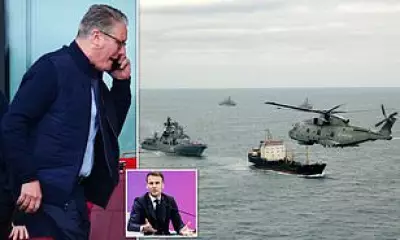
Starmer is scheduled to travel to Paris this week for an international summit involving over forty nations, aimed at devising strategies to safeguard shipping through the Strait. Agenda items include de-mining the waterway, rescuing stranded vessels, and ultimately ensuring safe passage for ships.
The United States is not expected to attend, with numerous world leaders participating virtually rather than in person, underscoring the complex diplomatic landscape surrounding the conflict.