Chancellor Reeves Intensifies Critique of Trump's Military Action Against Iran
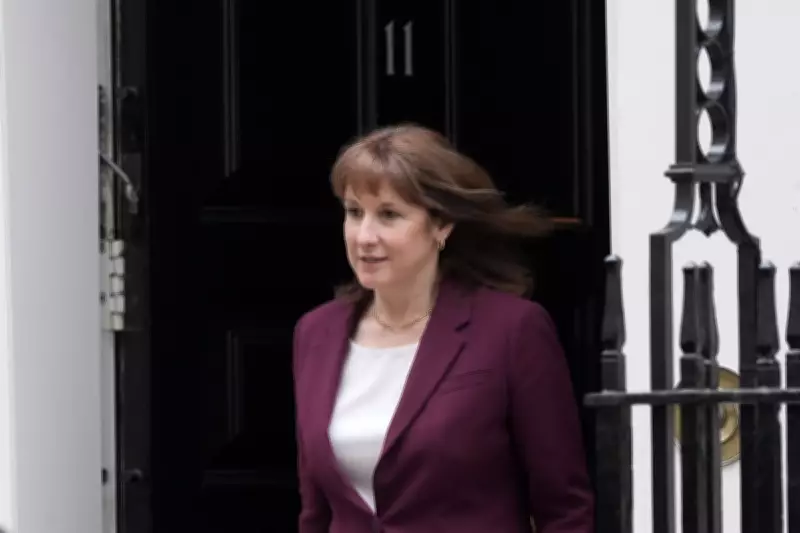
During a high-profile visit to Washington, Chancellor Rachel Reeves has escalated her condemnation of the recent US-Israeli military strikes against Iran, labelling the conflict a "mistake" that has failed to enhance global security. Speaking at a CNBC event in the American capital, Reeves expressed deep scepticism about the outcomes of the war initiated by US President Donald Trump.
Diplomatic Channels Should Have Prevailed, Says Reeves
The Chancellor emphasised that diplomatic negotiations aimed at preventing Iran from acquiring nuclear weapons were already underway and should have been allowed to continue. "The question is not whether you like or dislike the Iranian regime – I strongly dislike the Iranian regime – but how to achieve the change that you want to achieve," Reeves stated, arguing that diplomacy, not conflict, remains the most effective tool to curb nuclear ambitions.
She highlighted the confusion surrounding the objectives of Trump's military campaign, noting that if the goal was to restart diplomatic talks, those discussions were already occurring prior to the outbreak of hostilities. "We've never been clear about what the goal of this conflict is," Reeves remarked, pointing to the severe economic repercussions felt worldwide.

Economic Fallout and Global Disruption
The war has triggered significant disruption, with Iran retaliating through strikes against Gulf states and the closure of the critical Strait of Hormuz, a vital conduit for oil and gas shipments. This has exacerbated global energy prices, leading to forecasts of increased household energy bills and higher costs at fuel pumps for motorists.
Reeves cautioned that the economic impacts, including heightened inflation and stifled growth, will persist even if a ceasefire is achieved. She has signalled that any government assistance with energy bills will be targeted at the poorest households, rather than implementing a universal bailout similar to measures taken during the Ukraine crisis.
International Coalition Calls for Swift Resolution
In a joint statement with finance ministers from ten allied nations, including Ireland, Australia, and Japan, Reeves underscored the "unacceptable loss of life and significant disruption to the global economy and financial markets" caused by the conflict. The coalition welcomed the ceasefire but urged a rapid and lasting negotiated resolution to reopen the Strait of Hormuz safely.
"We call for a swift and lasting negotiated resolution to the conflict, and a return to free and safe transit through the Strait of Hormuz, that mitigates impacts on growth, energy prices and living standards, in particular for the poorest and most vulnerable," the statement read.
Contrasting Views in Washington
While in Washington, Reeves is scheduled to meet US Treasury Secretary Scott Bessent, who has defended the war, arguing that "a small bit of economic pain" is justified to prevent Iran from obtaining nuclear capabilities. However, Reeves and her international counterparts warn that further escalation poses "serious additional risks to global energy security, supply chains, and economic and financial stability."
Prime Minister Sir Keir Starmer and French President Emmanuel Macron are poised to lead international efforts to secure the Strait of Hormuz once hostilities cease. Reeves reiterated her commitment to a coordinated economic response, stating, "We are willing to play our part, but the Strait of Hormuz was open, there was no tolling, a few weeks ago."
The Chancellor's remarks underscore a growing international concern over the protracted economic and security ramifications of the Iran conflict, with calls for renewed diplomacy taking centre stage in global discussions.