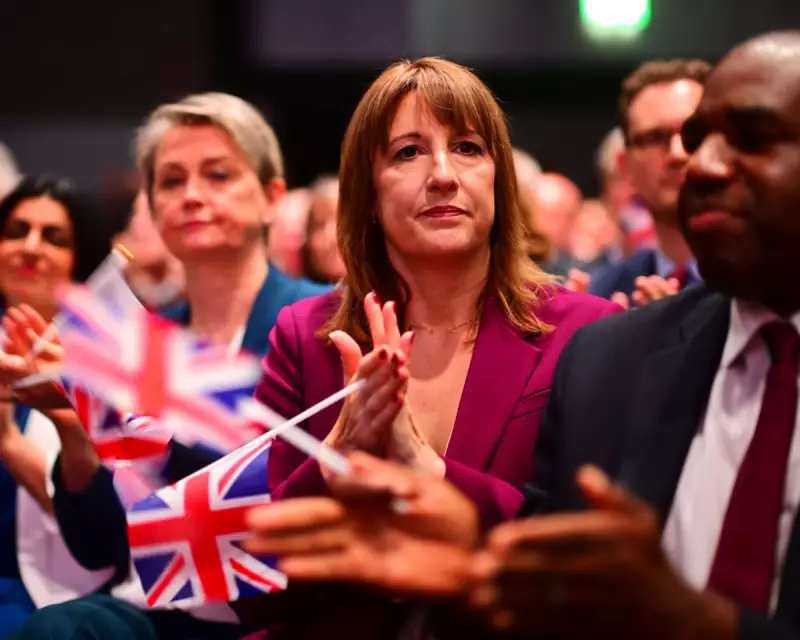
Chancellor Rachel Reeves is facing mounting pressure from business leaders to break key Labour manifesto pledges as she prepares her first budget, with warnings that sticking to spending promises could trigger unpopular tax rises reminiscent of the infamous 'pasty tax'.
The Budget Dilemma
Senior industry figures and economic experts are urging the Treasury to reconsider its commitment to no tax increases on 'working people', arguing that the current fiscal constraints leave little room for manoeuvre. The Institute for Fiscal Studies has highlighted a potential £20 billion black hole in public finances that may force the Chancellor's hand.
Business Warnings
Major business organisations have privately warned the government that maintaining all spending pledges while ruling out tax increases on 98% of earners could backfire spectacularly. One retail executive told The Guardian: "We're staring down the barrel of another pasty tax moment if they're not careful. The public won't tolerate stealth taxes on everyday essentials."
Manifesto Promises Under Scrutiny
Labour's election manifesto contained several spending commitments that now appear increasingly difficult to deliver without additional revenue. These include:
- Increased NHS funding
- School breakfast club expansion
- Green investment programme
- Social housing initiatives
The Political Tightrope
Reeves must balance her reputation for fiscal responsibility against delivering on Labour's core promises. Treasury insiders suggest the Chancellor is exploring alternative revenue streams, including:
- Wealth taxes targeting non-domiciled residents
- Digital services levies on tech giants
- Windfall taxes on energy companies
- Reform of business rates and council tax
The coming weeks will prove crucial as the Treasury finalises budget plans that could define Labour's economic credibility for years to come.