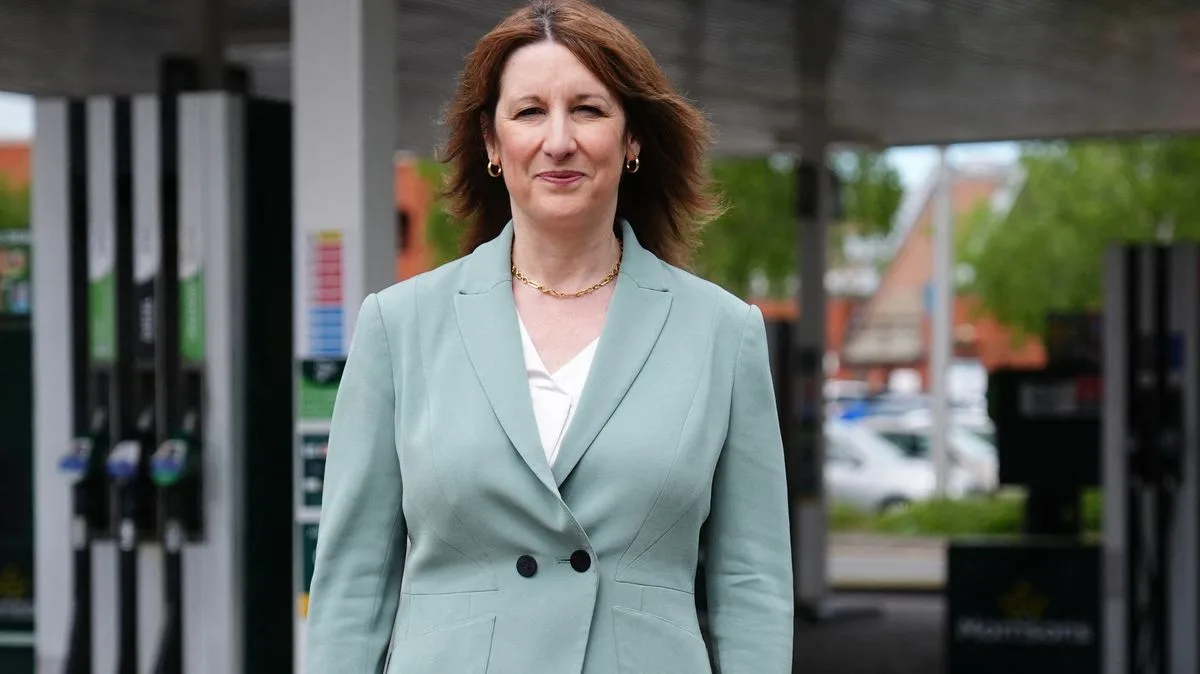
Chancellor Rachel Reeves Considers Major Mileage Rate Increase for UK Drivers
Chancellor Rachel Reeves has revealed she is examining a significant increase to the Approved Mileage Allowance Payment rates, which have remained frozen for fifteen years. This potential change could affect millions of drivers across the United Kingdom who use their personal vehicles for business purposes.
Current System and Proposed Changes
The Approved Mileage Allowance Payment determines how much workers can be reimbursed tax-free when using their own cars for work-related travel. Under the current system, motorists can claim 45p-per-mile tax-free for the first 10,000 miles, which is intended to cover vehicle operation costs including insurance, maintenance, and depreciation.
Beyond that initial threshold, drivers can claim 25p-per-mile, with an additional 5p-per-mile available for each passenger carried during business journeys. While employers have the option to pay staff more than these rates, such additional payments could potentially attract income tax liabilities.
Union Campaigns and Parliamentary Pressure
Ms Reeves's announcement in the House of Commons follows sustained campaigning by trade unions who argue their members, particularly care workers and social workers, are financially disadvantaged when travelling to visit clients. Labour former minister Jim McMahon highlighted the case of Gemma, a social worker with over twenty years of experience, who was reportedly spending more than £1,000 annually just to carry out her professional duties.
Trade union Unison has long championed this cause, revealing in 2022 that motoring expenses had surged by 39% in the ten years following the introduction of the 45p rate. The RAC Foundation reported in 2023 that employees using their own vehicles for work were typically £6,000 a year worse off due to the outdated mileage rates.
Chancellor's Statement and Future Implementation
Ms Reeves stated: "Whilst the approved mileage allowance payment rates have not changed since 2011, I recognise that motoring costs have evolved significantly and it's an important issue for many people who claim motoring expenses." She added: "We're therefore looking at the issue and will consider the matter further in the usual way as part of a future fiscal event."
The Chancellor indicated that adjustments could be implemented in an upcoming budget or financial statement, responding to Mr McMahon's request for expedited action given the ongoing cost-of-living crisis. She confirmed: "We've got a standard Treasury policy of keeping all taxes under review ahead of fiscal events, but this is one area I will be keeping a very close interest in."
Financial Impact and Industry Analysis
Mr McMahon welcomed the potential change, noting: "The 45p a mile rate set 15 years ago is nowhere near the true costs of running a vehicle today, recently assessed at 67p a mile, that was before fuel costs rocketed in the last week." This discrepancy highlights the growing financial burden on workers who rely on their personal vehicles for employment purposes.
The Chancellor's acknowledgment that driving costs have surged "significantly" in recent years underscores the pressing need for rate adjustments that reflect contemporary economic realities for millions of British motorists.






