The Office for Budget Responsibility (OBR) raised concerns with senior Treasury officials before the budget about a series of leaks that it said were spreading “misconceptions” about its forecasts, it has emerged. Professor David Miles of the OBR’s budget responsibility committee told MPs on the Treasury select committee on Tuesday that the watchdog had flagged the issue with the department ahead of the chancellor’s statement last week.
“I think it was clear that there was lots of information appearing in the press which perhaps wouldn’t normally be out there and that this wasn’t from our point of view particularly helpful,” he said. He added: “We made it clear that they were not helpful and that we weren’t in a position of course to put them right.”
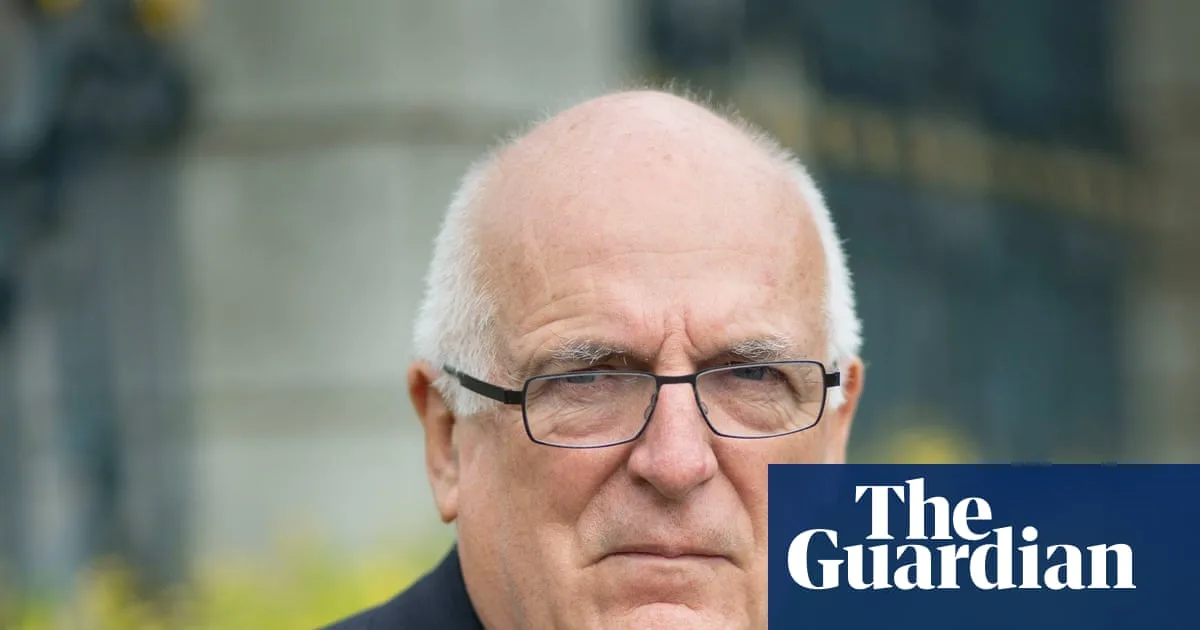
The comments come after OBR chair Richard Hughes resigned on Monday, taking responsibility for the inadvertent release of budget documents about an hour before Rachel Reeves delivered her tax and spending plans. The prime minister’s official spokesperson insisted on Tuesday that Hughes had not been pushed, stating: “It’s categorically untrue that Richard Hughes was forced to go.”

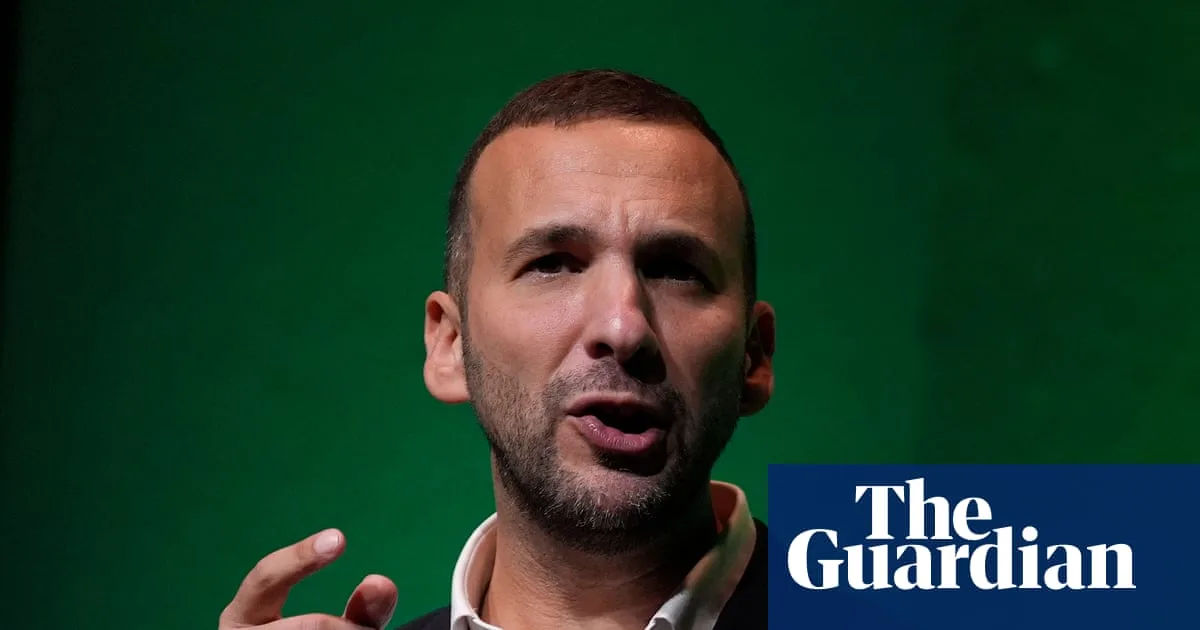
Miles also addressed a letter published by the OBR on Friday, which took the “unusual step” of detailing the evolution of its forecasts. He said the letter was issued because the watchdog felt the public had received a false impression that was “damaging to the OBR and to the process”. However, he denied that the letter showed Reeves was misleading in her pre-budget speech, saying the OBR’s forecasts “didn’t suggest that the fiscal outlook was problem free” and described the headroom on her fiscal rules as a “sliver” and “wafer thin”.
Miles highlighted two “misconceptions” – that the OBR had shifted the time period for assessing government bond yields under pressure, or that its forecasts had swung dramatically at the last minute. He also contradicted a government briefing suggesting that improved forecasts led to the dropping of income tax plans, stating: “There seemed to be a misconception that there seemed to have been some good news, and I’m not sure where that came from: it didn’t exist.”
Bank of England governor Andrew Bailey defended the OBR against attacks, saying: “The reason the OBR was created was to ensure there was a source of independent forecasting and an independent assessment of fiscal policy … So attacks on the OBR in terms of the principle [of independence], I would say, ‘No, can we please remember why it was done and the principles underlying it.’”