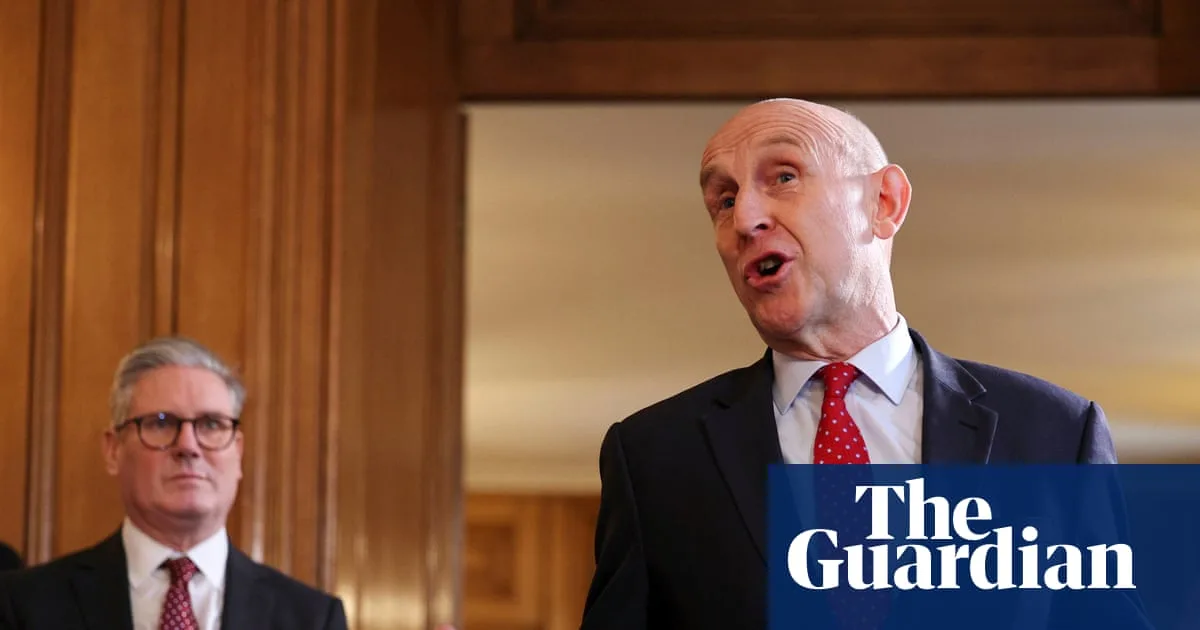
Chancellor Rachel Reeves has resorted to departmental budget cuts to fund an extra £13.5bn for defence over four years, after rejecting options such as tax rises, borrowing or welfare cuts. The Ministry of Defence had demanded £18.5bn, leading to the resignation of Defence Secretary John Healey, who viewed the settlement as insufficient.
Reeves instructed Whitehall departments to trim around 1% from their capital budgets, a move that conflicts with government pledges on public services and green investment. The Treasury also used its reserve to cover £3.5bn of MoD projects, but insiders defended the approach, citing the MoD's history of overspending and dismissing military warnings as biased.
Prime Minister Keir Starmer has committed to raising defence spending to 3% of GDP in the next parliament and 3.5% by 2035, but has shown no political will to pursue the main funding options: spending cuts, tax rises or borrowing. Welfare cuts were reversed last year after a Labour backlash, and manifesto pledges rule out changes to the pensions triple lock.
Tax rises equivalent to 0.5p on income tax would cover the immediate gap, but reaching 3.5% of GDP would require an additional £30bn annually over a decade. Starmer has not made the case for higher taxes, and the Treasury is reluctant to borrow more after already loosening fiscal rules. Some suggest war bonds or collective Nato borrowing, but the Treasury fears market punishment.