Chancellor Pledges to End 'Penalty' on Larger Families
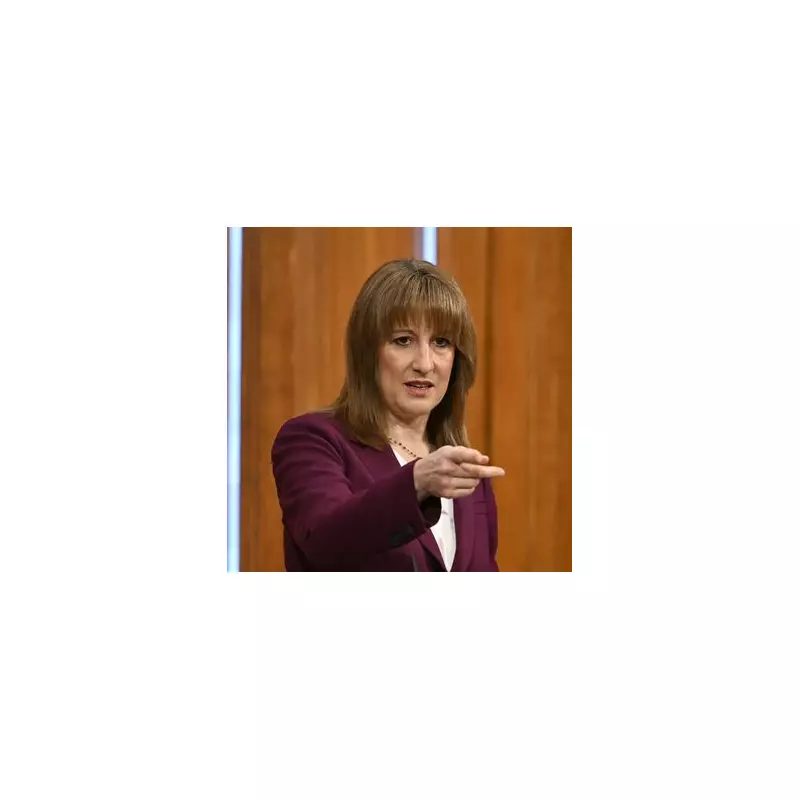
Chancellor Rachel Reeves has delivered the clearest signal yet that the controversial two-child benefit limit will be scrapped in full during the upcoming Budget. The policy, a legacy of the Tory era, restricts Universal Credit payments to the first two children in a family and has been widely condemned by poverty charities.
Ms Reeves declared it fundamentally wrong that a 'child is penalised because they are in a bigger family', vowing to take decisive action to reduce the number of children living in poverty across the UK.
Budget Set for Major Welfare Reform
The Chancellor will deliver the Budget on November 26, where the full abolition of the limit is now expected to be announced. This move aligns with calls from former Labour Prime Minister Gordon Brown, who has been a vocal advocate for 'total abolition' of the policy introduced by the Conservatives in 2017.

There had been speculation that the government might opt for a diluted version, such as moving to a three-child limit. However, Ms Reeves's comments on BBC Radio 5 Live strongly suggest she favours a complete scrapping of the cap. She emphasised the economic cost of allowing child poverty to go unchecked and highlighted the varied circumstances that can lead families into financial difficulty.
'In the end, a child should not be penalised because their parents don't have very much money,' the Chancellor stated. 'Now, in many cases you might have a mum and a dad who were both in work, but perhaps one of them has developed a chronic illness, perhaps one of them has passed away.'
Broad Support for Ending Child Poverty
The decision has been welcomed by unions and think tanks. TUC General Secretary Paul Nowak described it as a 'generational opportunity to turn the tide on child poverty' and immediately improve the lives of hundreds of thousands of children. He stressed that tackling this issue is both a moral and an economic duty.
The Resolution Foundation think-tank recently reinforced this position, warning that half-measures would fail to adequately address the UK's grim child poverty rates. Their analysis concluded that fully scrapping the limit is an essential step.
Beyond the benefit cap, Ms Reeves also hinted that the government may need to break its manifesto promises on tax to avoid 'deep cuts' in crucial spending areas like infrastructure. She affirmed that the final Budget decisions will be guided by what is in the national interest, with a focus on the cost of living and reducing NHS waiting lists.