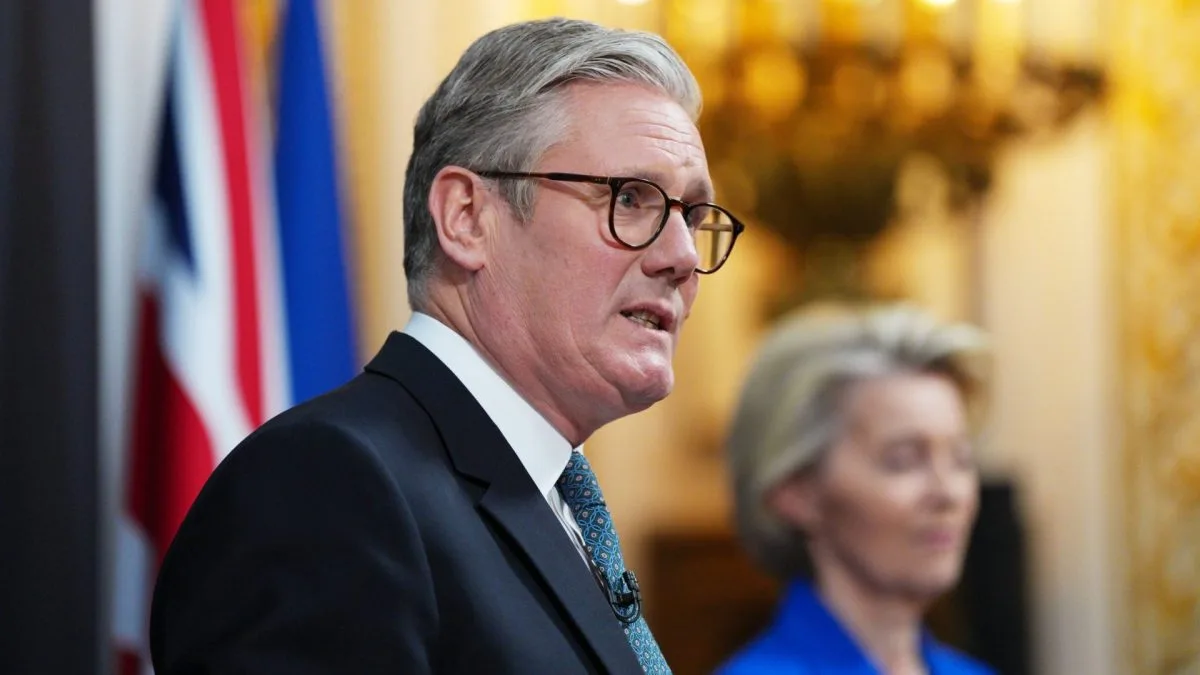
Chancellor Rachel Reeves is expected to use a major speech on Tuesday to call for greater UK alignment with EU single market rules, aiming to reduce trade barriers and stimulate economic growth. The move is part of a broader push by Reeves and Prime Minister Sir Keir Starmer to deepen ties with the bloc beyond the existing Brexit reset.
However, the initiative faces a significant hurdle after Brussels’ top negotiator, Maroš Šefčovič, demanded major concessions from the UK in current Brexit reset talks before considering any further development of the relationship. The demand underscores the tough stance the EU is taking in negotiations.
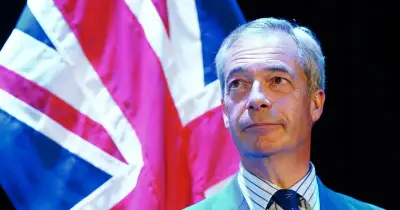
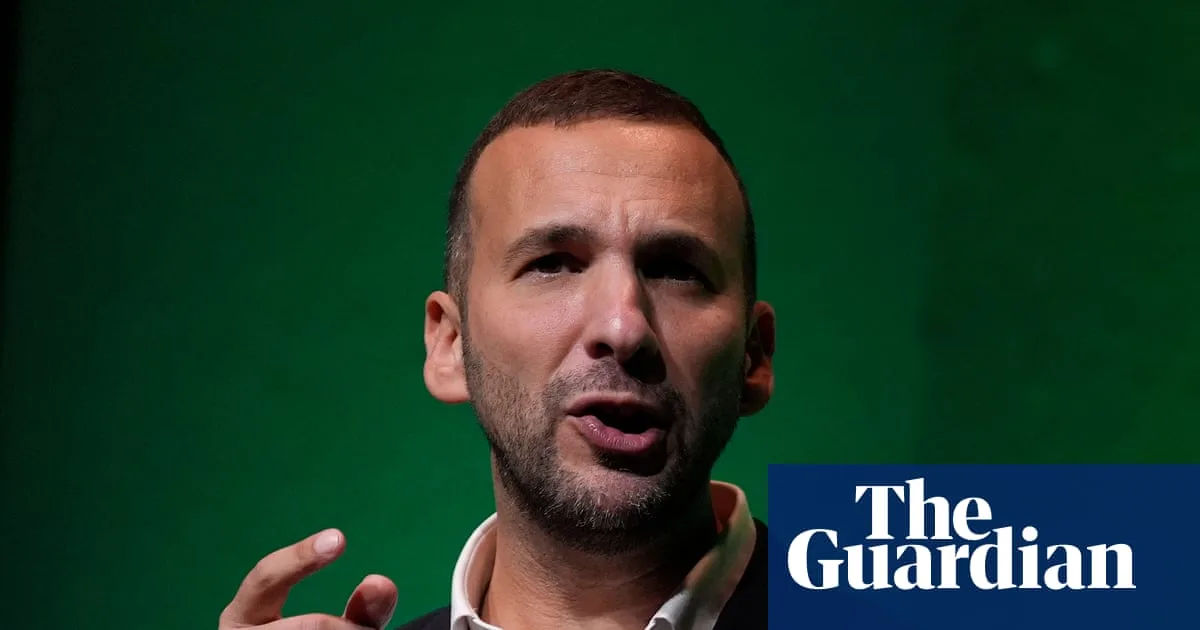
The government’s focus on EU ties comes amid domestic political challenges, including the rise of far-right parties. An internal Labour Party poll in the Makerfield constituency suggests that Rupert Lowe’s Restore Britain party could draw 13% of the vote, potentially denting support for Reform UK, which stands at 24%, while Labour leads with 35%.

Meanwhile, in other news, the UK version of the reality series The Traitors is being adapted into a West End stage show titled The Traitors – Acts of Betrayal. Written by John Finnemore and directed by Robert Hastie, the production will feature five new plays and run at the Gillian Lynne Theatre from 11 May 2027, with tickets starting at £25.
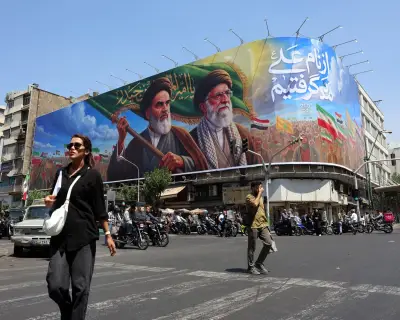
Additionally, the expected signing of a US peace agreement with Iran could lead to the reopening of the Strait of Hormuz, potentially lowering fuel prices in the UK. The closure of the strait has contributed to rising costs for petrol, diesel, and fertilisers, with British farmers facing price increases of 50% to 70% for fertilisers.