
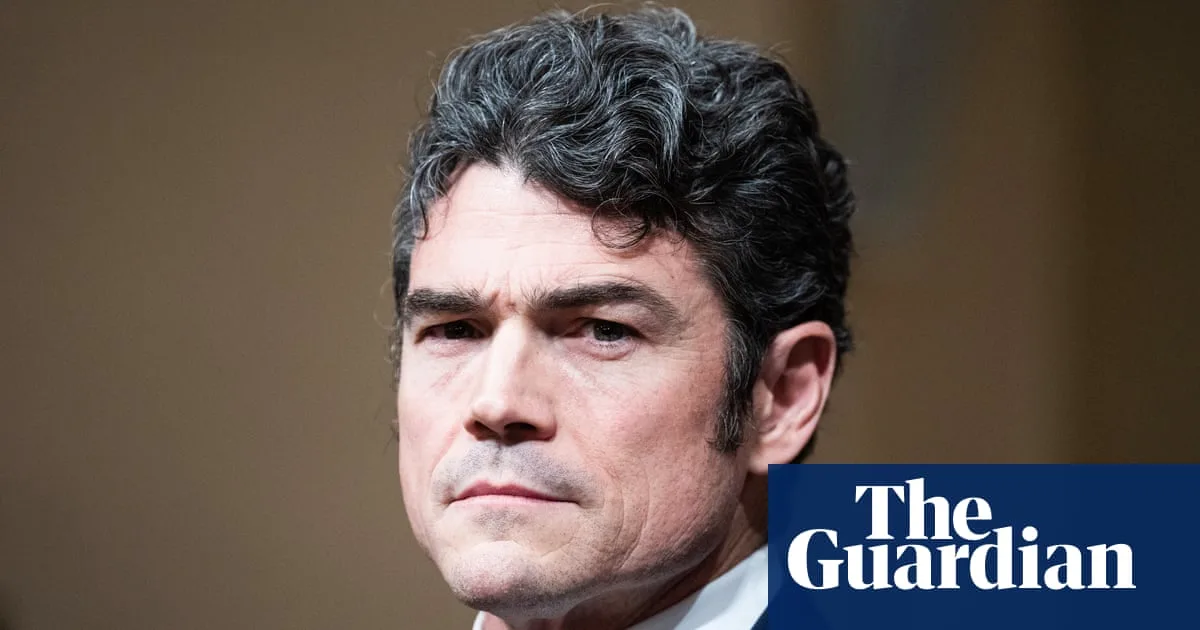
Joe Kent, the director of the National Counterterrorism Center and a Trump supporter, resigned on Tuesday in protest of the war in Iran, stating that Iran posed no imminent threat to the United States. In a resignation letter posted on X, Kent wrote: 'I cannot in good conscience support the ongoing war in Iran. Iran posed no imminent threat to our nation, and it is clear that we started this war due to pressure from Israel and its powerful American lobby.'
Kent, a former special forces warrant officer whose wife was killed in action in 2019, praised Trump's earlier foreign policy actions such as the killing of Qassem Suleimani and defeating Isis, but accused the administration of being misled by a misinformation campaign. He claimed that 'high-ranking Israeli officials and influential members of the American media deployed a misinformation campaign that wholly undermined your America First platform and sowed pro-war sentiments to encourage a war with Iran.'
Kent ran for Congress in 2022 and 2024 in Washington state but lost both times. His campaigns were associated with far-right figures and conspiracy theories, including claims about the January 6 attack and the 2020 election. He was confirmed in July on a partisan 52-44 vote.
President Trump responded to the resignation at a St Patrick's Day reception, saying he 'didn't know him well' and that Kent was 'weak on security'. Trump added: 'When I read that statement, I realised it was a good thing that he was out because he said Iran was not a threat. Iran was a threat.'




