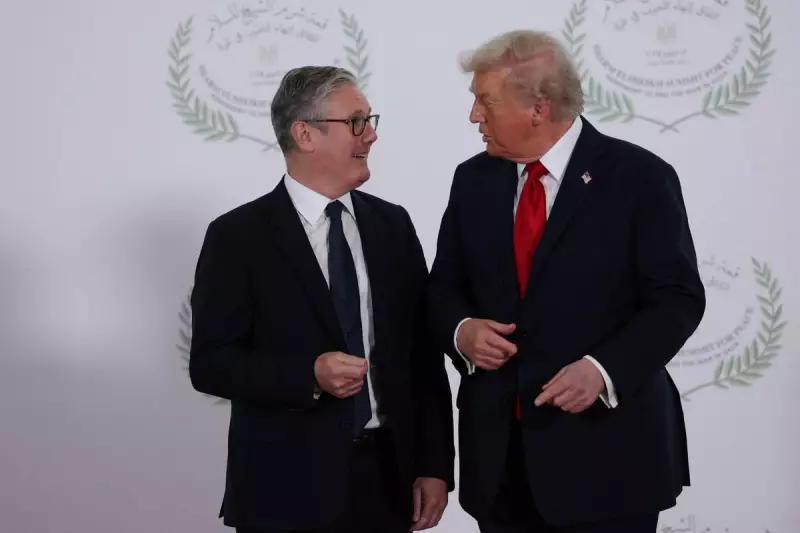
Prime Minister Sir Keir Starmer is facing growing demands from senior political figures to personally intervene with US President Donald Trump over his $10bn (£7.4bn) lawsuit against the BBC. The legal action, described as "outrageous" by critics, stems from an edited clip in a Panorama documentary aired before the 2024 US election.
Mounting Political Pressure on the PM
Former culture secretary Sir John Whittingdale, who led the last BBC charter renewal negotiations, expressed surprise that Sir Keir had not already used his "strong relationship" with President Trump to dissuade him from filing the suit. Speaking to The Independent, Whittingdale stated the Prime Minister should have intervened in earlier conversations and must "get on the phone now".
He warned the lawsuit is "bad for the BBC, bad for Britain’s reputation and bad for Trump himself". Liberal Democrat leader Sir Ed Davey also piled on pressure, urging Starmer to "stand up for the BBC against Trump’s outrageous legal threat".

The Lawsuit and the BBC's Defence
Documents filed at a US federal court in Miami on Monday 15 December 2025 seek $5bn in damages for defamation and a further $5bn for alleged violation of trade practices. President Trump's lawyers argue the Panorama edit, which concerned a speech made before the 2021 Capitol attack, was "false and defamatory" and that the BBC "intentionally and maliciously" sought to mislead viewers.
The BBC confirmed on Tuesday 16 December it will vigorously defend the case. A corporation spokesperson said: “As we have made clear previously, we will be defending this case.” The broadcaster's lawyers have previously argued there was no malice in the edit and that Trump was not harmed, noting he was re-elected shortly after the programme aired and that it was not broadcast in the US.
Broader Fallout and Charter Review Concerns
The controversy has already led to significant internal consequences at the BBC. Chairman Samir Shah apologised for an "error of judgment", while director-general Tim Davie and head of news Deborah Turness both resigned. The legal battle now threatens to overshadow the just-begun negotiations for the renewal of the BBC's charter.
Dame Caroline Dinenage, chair of the Commons culture committee, called the situation "deeply regrettable", stating licence fee money would be diverted to fight the lawsuit. She described it as a "wake-up call" for the BBC to strengthen its editorial processes. Conversely, former culture secretary Baroness Nicky Morgan argued the Prime Minister should not intervene, stating the BBC's board must "own this mess".
This is not President Trump's first legal action against a media organisation; he remains engaged in lawsuits with the New York Times and the Wall Street Journal.