Green Leader Polanski Outlines Radical Economic Vision as Alternative to Labour
Polanski Sets Out Green Economic Policy as Radical Labour Alternative

Green Leader Polanski Outlines Radical Economic Vision as Alternative to Labour

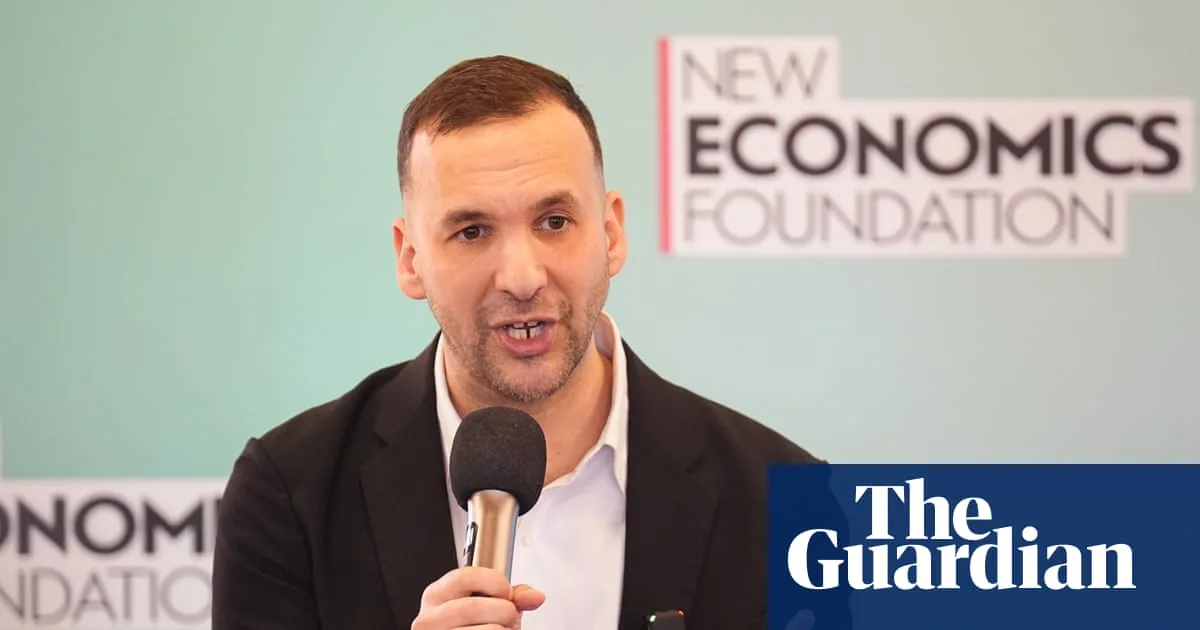
Zack Polanski, the leader of the Green Party in England and Wales, has delivered his most comprehensive economic speech since assuming leadership a year ago, positioning the Greens as a radical alternative to Labour's Chancellor Rachel Reeves. The address, held at a north London garden centre, starkly contrasted with Reeves' recent Mais lecture in the City, highlighting the Greens' distinct approach to tackling economic challenges.

A Pessimistic Diagnosis of the UK Economy

Polanski painted a grim picture of the UK economy, arguing it has shifted from a productive manufacturing base to one where asset owners accumulate wealth, exacerbated by Thatcher-era privatisations, deindustrialisation, and 14 years of Tory austerity. He described an economy where people feel like they're running every day just to stay in the exact same place, offering a more pessimistic outlook than Reeves' vision of growth driven by AI and a Northern renaissance.

Notably, Polanski made little mention of Labour's policies, such as the employment rights bill, and emphasised the need for borrowing for investment without acknowledging Reeves' changes to fiscal rules. His speech focused on three key pillars to address the nation's economic woes.

Wide Pickt banner — collaborative shopping lists app for Telegram, phone mockup with grocery list

Three-Pronged Solution to Economic Challenges

First, Polanski proposed tackling rip-off Britain and inflation through measures like rent controls, which he noted are implemented in 16 European countries, and renationalising the water industry. He stressed protecting Britain's rivers for wildlife, contrasting with Reeves' frustration over environmental regulations delaying development.

Second, he advocated for major tax reform, including a wealth tax as a day one priority for a Green government—levied at 1% on assets above £10 million and 2% over £1 billion, though specifics on asset types were not detailed. He also called for equalising capital gains and income taxes, clarifying that a wealth tax alone would not solve all issues.

Third, Polanski called for an overhaul of fiscal rules, criticising the current system as a bond market doom loop that makes policy too sensitive to gilts market fluctuations. He proposed scrapping the Office for Budget Responsibility in favour of fiscal referees to provide broader sustainability assessments, rather than strict pass-or-fail judgments.

Strategic Positioning and Future Scrutiny

In a subsequent Q&A, Polanski avoided committing to unfunded spending, such as on student debt forgiveness, instead suggesting reliance on thinktanks like the New Economics Foundation for solutions. He also pledged to cushion families from energy price hikes through a loophole-free windfall tax on energy companies and capital gains tax increases, blaming the government for inadequate preparation after previous energy shocks.

As the Greens maintain strong polling numbers, Polanski's economic policies will face intense scrutiny, particularly from bond markets and analysts examining potential flaws. His speech strategically positions the Greens as a haven for left-of-centre voters disillusioned with the status quo, offering a clear alternative to Labour's more moderate stance amid ongoing economic uncertainties.

Pickt after-article banner — collaborative shopping lists app with family illustration




