Paris Mayoral Candidates Court Canine Vote with Promises
In the densely dog-populated city of Paris, where more than 100,000 canines reside, the upcoming mayoral election has taken a distinctly canine turn. With the race expected to be decided by just a few thousand votes, candidates are aggressively wooing dog owners, promising an array of pet-friendly measures to secure their support.
Electoral Stakes and Canine Demographics
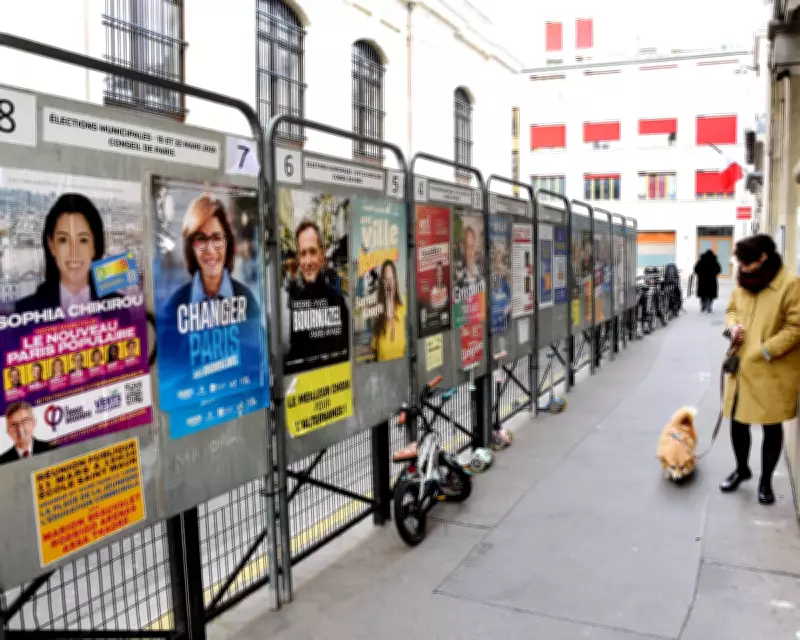
The second-round vote on Sunday features leftwing frontrunner Emmanuel Grégoire and former conservative culture minister Rachida Dati as the favourites. In the 2020 city council elections, only about 57,000 votes separated the winner, outgoing Socialist mayor Anne Hidalgo, from Dati. This year's contest is anticipated to be even tighter, making the city's substantial dog-owning population a critical voting bloc.
Loïc Amiot of Paris Condition Canine, an umbrella group representing 10 dog-owners' associations, highlighted the electoral math, noting that with over 100,000 dogs, this could translate to roughly 170,000 votes. The group has published a manifesto demanding better treatment for Paris's dogs, arguing that current policies are overly restrictive.

Candidate Campaigns and Canine Policies
Emmanuel Grégoire has launched a dedicated Instagram account, HotdogswithEmmanuelGrégoire, showcasing dogs and pledging to open more dog runs. His promises include increased outdoor spaces, subsidised veterinary visits, and allowing dogs on all public transport, a policy also supported by radical left candidate Sophia Chikirou.
Rachida Dati, not to be outdone, has embraced dogs in her social media campaigns, advocating for expanded access to parks and shared spaces where pets can roam freely. She has hosted "doggy drinks" events and emphasised creating environments where people can bring their pets without judgment.
Other candidates have joined the fray. Centrist Pierre-Yves Bournazel, who merged his list with Dati's after the first round, committed to more dog runs along the Seine, while far-right candidate Sarah Knafo, who withdrew and urged her voters to back Dati, proposed dog-friendly taxis.
Political Context and Voter Sentiment
The race for Paris city hall, held by the Socialist party since 2001, remains too close to call. Grégoire won the first round with 38% of the vote, followed by Dati at 25.5%. To retain control, Grégoire's left-green alliance may need support from centrist voters reluctant to back Dati and radical left voters concerned about a conservative victory.
Paris is one of the world's most dog-dense cities, with an estimated 2,857 canines per square kilometre. Despite this, dog owners face limitations, with only 165 of about 550 parks allowing dogs on leads and just 43 enclosed spaces for off-leash running.
Historical and Cultural Significance
Dogs have long played a role in French politics, with every president since Charles de Gaulle owning at least one. However, far-right leader Marine Le Pen famously prefers cats, earning a cat breeding diploma in 2021. A February Ifop poll indicated that 58% of voters view animal welfare as a priority, underscoring the political relevance of canine issues.
Skepticism Among Voters
Despite the campaign promises, some dog owners remain skeptical. Hélène Rix, walking her jack russell terrier in the 9th arrondissement, expressed doubts, noting that Paris is not ideal for dogs and that she has been fined multiple times in parks. She questioned whether dog policies would sway her vote amid broader political concerns.
As the election approaches, the focus on canine-friendly agendas highlights the strategic importance of every vote in a tightly contested race, with candidates hoping that promises of better treatment for dogs will translate into electoral success.