Independent Inquiry Launched into 1984 Orgreave Miners' Strike Violence
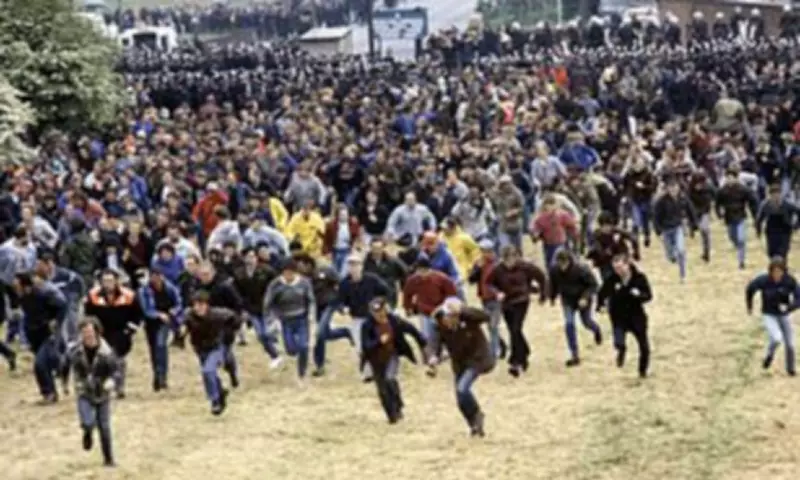
A formal independent inquiry has been initiated to investigate one of the most violent episodes of the 1980s Miners' strike, with its chair pledging to 'establish the truth' about the bloody clashes. The Battle of Orgreave, which occurred on June 18, 1984, outside the Orgreave Coking Plant in South Yorkshire, saw intense confrontations between police officers and picketing mineworkers, resulting in numerous injuries.
Decades-Long Campaign for Answers
Campaigners have demanded an inquiry for over forty years, alleging a dramatic shift in police tactics that day, which they claim was orchestrated by the then-Conservative government. Instead of merely preventing picketers from joining the lines, miners reported that police directed them to specific locations before the violence erupted. The inquiry, expected to span two years, will scrutinize:
- Planning by police and government authorities
- Events during the day and their aftermath
- The treatment of those arrested, with 95 arrests for riot and unlawful assembly later dropped due to discredited police evidence
Disturbing images from the incident showed police striking mineworkers with batons and forcibly dragging them into vans, highlighting the severity of the clashes.

Statements from Key Figures
Dr. Peter Wilcox, the Bishop of Sheffield and inquiry chair, emphasized the ongoing trauma, stating: 'I wish to help resolve a trauma that persists to this day... serious questions about the specific events at Orgreave remain unanswered.' He committed to impartiality and transparency, acknowledging the high expectations from those affected.
Kevin Horne, a striking miner arrested at Orgreave, accused the Tory government of direct involvement, calling it 'state-sponsored organisation against the miners.' He cited archives suggesting Parliament and the public were misled. John Dunn, another arrested miner, criticized media collusion in covering up police violence, urging raw footage to be submitted to the inquiry.
Chris Kitchen, general secretary of the National Union of Mineworkers, expressed confidence in the inquiry's ability to uncover the truth and accountability, while Sarah Jones, policing and crime minister, promised answers for communities long awaiting closure.
Challenges and Demands for Transparency
Kate Flannery, secretary of the Orgreave Truth and Justice Campaign, stressed the need for access to embargoed government and police documents, some sealed until 2066 and 2071. She highlighted concerns about evidence destruction and called for scrutiny of paramilitary police powers used during the strike. The inquiry aims to provide a comprehensive account, fostering healing for all impacted by this pivotal moment in British industrial history.