Orgreave Inquiry Formally Launched to Establish Truth of 1984 Clash
An independent statutory inquiry into the violent events known as the 'Battle of Orgreave' has been formally launched, with its chair promising to 'establish the truth' about the bloody confrontation that occurred forty-two years ago. The inquiry marks a pivotal moment for miners and their families who have campaigned for decades for a thorough investigation into the clash at the Orgreave Coking Plant on June 18, 1984.
Decades of Campaigning Lead to Statutory Investigation
The UK Government announced last July that the events before, during, and after that day—a critical point in the 1984–85 miners' strike—would finally be examined. The inquiry, which has full statutory powers to compel witnesses and require evidence disclosure, is expected to report by spring 2028. The Right Reverend Dr Pete Wilcox, Bishop of Sheffield, will chair the inquiry, supported by a four-person panel, after months of consultation and pleas for evidence.
Bishop Wilcox stated his commitment to 'help resolve a trauma that persists to this day' for the miners who were injured, arrested, or feel their stories remain untold. He emphasised his approach with impartiality, humility, and transparency, vowing to follow the evidence without prejudice, independent of government or law enforcement.

Examining the Events and Lasting Impact
Over the next two years, the inquiry will scrutinise:
- Planning by police and government for the policing at Orgreave
- Events on the day itself and the aftermath
- The lasting impact on individuals and communities
- Charging decisions and prosecutions arising from the arrests
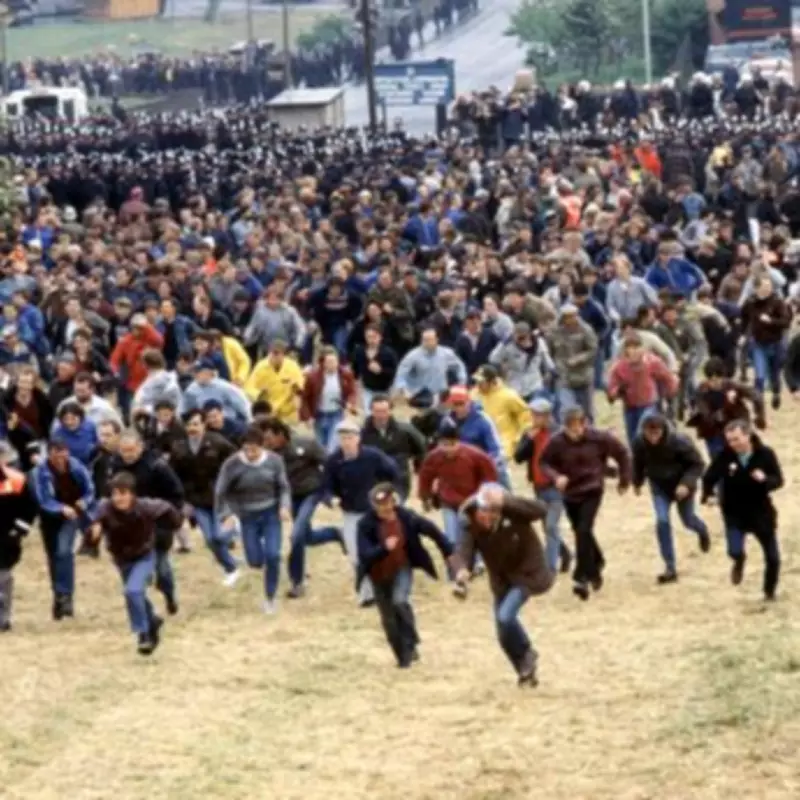
The 'Battle of Orgreave' in South Yorkshire involved clashes between police from eighteen UK forces and approximately 5,000 striking miners. It resulted in 120 injuries as police charged at miners on a hot summer's day. Ninety-five picketers were arrested and charged with riot and violent disorder, but all charges were later dropped after evidence was discredited.
Campaigners Express Mixed Reactions
The Orgreave Truth and Justice Campaign welcomed the inquiry's launch but expressed disappointment at the long delay. Kate Flannery, Secretary of the campaign, highlighted the need for answers about 'systemic violent and lying behaviour of the police' and called for the release of government and police papers embargoed until 2066 and 2071. She noted concerns that police have recently destroyed vital evidence.
Kevin Horne, a striking miner arrested at Orgreave, accused the Tory Government of the 1980s of state-sponsored organisation against miners, alleging Parliament and the public were knowingly lied to about their involvement. Chris Peace, an activist with the campaign, linked Orgreave to a turning point in policing public protest, suggesting it enabled a culture of violence and cover-ups, including at Hillsborough in 1989.
Community and Official Responses
South Yorkshire's Mayor Oliver Coppard described the inquiry as a 'crucial milestone on the long road to justice' for miners and their families, emphasising the need to ensure their voices are heard. South Yorkshire Police previously stated it would fully cooperate with the inquiry to help those affected find answers.
The inquiry has launched a 'Call for Evidence', inviting individuals and organisations with relevant information to come forward. The submission window closes on May 22, 2026, after which the chair will confirm the next stages. Information on participation is available at the inquiry's website.
As the 42nd anniversary of the miners' strike is remembered, this inquiry aims to address unresolved questions and provide closure for a community still grappling with the legacy of Orgreave.