Orbán's Anti-Ukraine Campaign Strategy to Secure Votes in Hungarian Elections
Hungarian Prime Minister Viktor Orbán, the European Union's longest-serving leader, is deploying a calculated strategy to undermine Ukraine's reputation among Hungarian voters as he faces a tight electoral race. According to political analysts, Orbán's government is using taxpayer-funded advertisements, AI-generated imagery, and targeted rhetoric to portray Ukraine as the primary threat to Hungary, diverting attention from domestic issues like economic stagnation and social services.
Fear-Based Mobilisation Tactics
Zsuzsanna Végh, an analyst at the German Marshall Fund, explains that Orbán's approach fits a pattern of mobilising his electorate through fear. "Effectively, Ukraine is portrayed as a main enemy," Végh said. "This is not just about Ukraine per se, but it fits into the standard strategy of the governing party, of mobilising its electorate through generating fear in society." In previous elections, Orbán's Fidesz party stoked fears about migration and falsely claimed the opposition would send troops to Ukraine.
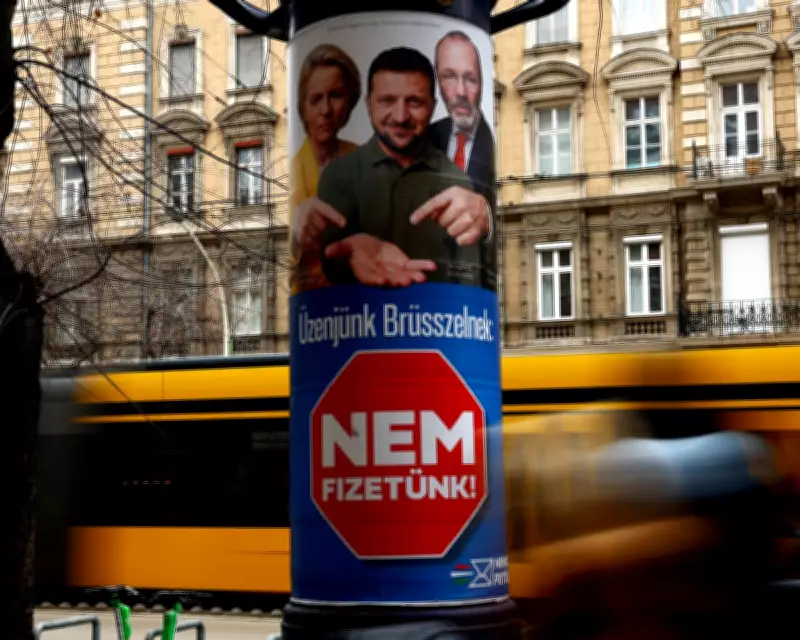
This election cycle, with Orbán challenged by former party member Péter Magyar, the strategy has escalated. "We definitely see a significant escalation," Végh noted. "Besides the rhetoric, AI is extensively used to portray false messages and images to strengthen the government’s message." Billboards across Hungary show AI-generated images of Ukrainian President Volodymyr Zelenskyy and EU officials with captions like "Our message to Brussels: We won’t pay!", echoing anti-Ukraine messaging on radio, television, and social media.

International Backlash and Domestic Divisions
Orbán's campaign has spilled into international diplomacy, with Hungary blocking EU sanctions and a €90bn loan to Ukraine, citing disruptions to Russian oil supplies. This move drew criticism from EU leaders, including Poland's foreign minister, who called it "shocking", and Sweden's Europe minister, who accused Orbán of using Ukraine as a "punching bag".
Domestically, the focus on Ukraine has polarised voters. László, a 39-year-old marketing specialist in Budapest, supports Orbán's stance, arguing that the EU's approach risks prolonging conflict. "I fear that Europe is not taking steps towards peace, at the expense of the Ukrainian people’s blood," he said. Conversely, Mónika, 60, an opposition supporter, warned that Orbán's strategy isolates Hungary and risks Russian oppression.
AI-Generated Propaganda and Opposition Criticism
Fidesz released an AI-generated campaign video showing a girl weeping as her father is executed in war, with captions suggesting Brussels plans to make such nightmares reality. Péter Magyar condemned the video as "sickening, unforgivable and deeply outrageous", calling it "soulless manipulation". Orbán has also made unsubstantiated claims, alleging Ukraine plots to disrupt Hungary's energy system and accusing Zelenskyy of trying to force Hungary into war.
András Bíró-Nagy, director of Policy Solutions, said the election presents "two competing narratives": Orbán's focus on war threats versus Magyar's emphasis on cost of living and corruption. Orbán's media influence has shifted public opinion, with most Hungarians now opposing EU support for Ukraine, and Zelenskyy becoming highly unpopular in Hungary.
Long-Term Implications and Electoral Outlook
Bíró-Nagy highlighted that Orbán has managed to frame Russia's invasion as a war between unpopular Slavic countries, creating space for anti-Ukraine rhetoric. "What Orbán has managed to do over the last four years is not to make Russia or Putin popular in Hungary – they are unpopular," he said. "But what he managed to do is to ruin the reputation of Ukraine and Zelenskyy in the eyes of Hungarian voters."
With about six weeks until the vote, it remains uncertain whether voters will prioritise fear-based messaging or domestic concerns. Orbán's vast resources and media empire give him significant power to shape the agenda, but opposition gains suggest a competitive race. The outcome will hinge on whether Hungarians respond more to warnings about Ukraine or to promises of economic and social reform.