Kristi Noem's Controversial $145 Million Warehouse Purchase for DHS
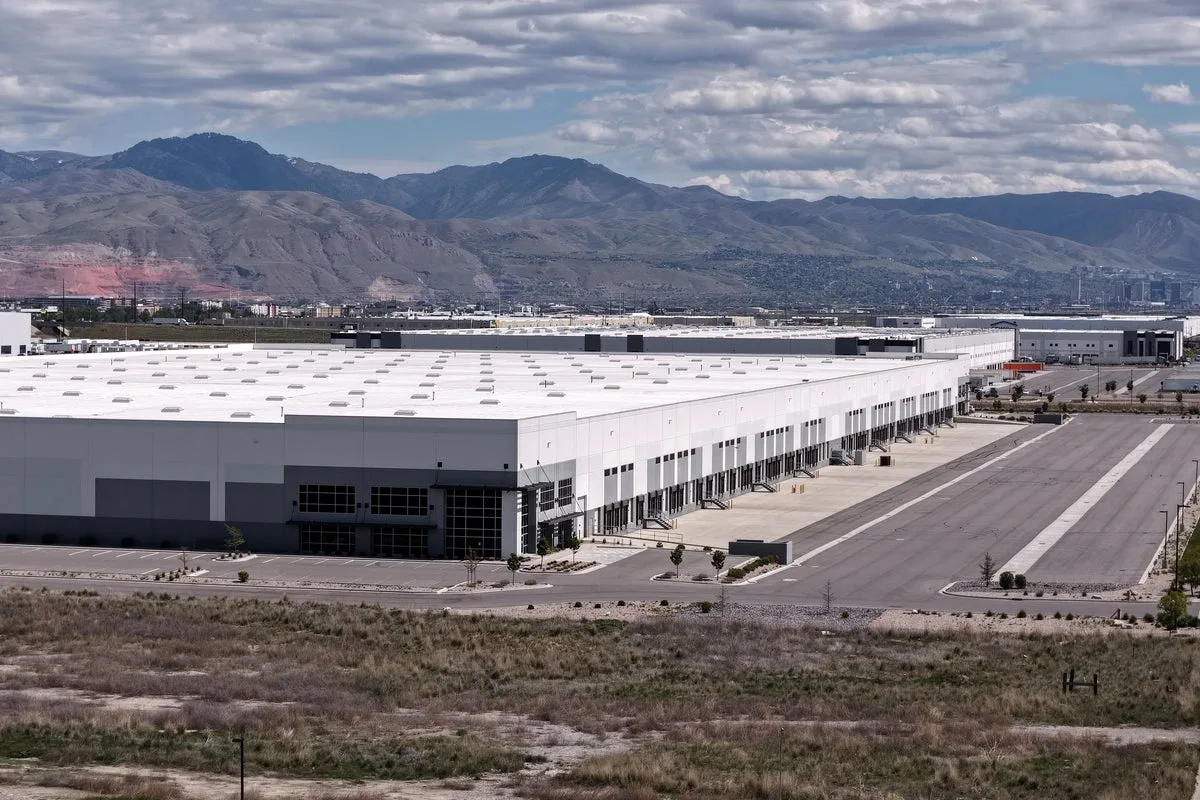
In one of her final acts as Secretary of Homeland Security, Kristi Noem authorized the acquisition of a massive warehouse in Salt Lake City, Utah, for $145.4 million, a sum that significantly exceeds its tax-assessed value, according to a recent report from The Atlantic. The purchase, intended for immigration detention purposes, has sparked scrutiny and is now under review by the department's new leadership.
Details of the Costly Transaction
The 833,000-square-foot warehouse, located approximately seven miles from the Great Salt Lake, was bought on March 11, just days after President Donald Trump announced Noem's departure from her role. The $145.4 million price tag represents a staggering 48 percent premium over the property's 2025 tax-assessed value of $97 million. Local and state officials were not informed of the purchase beforehand, adding to the controversy surrounding the deal.
It remains unclear why the Department of Homeland Security paid such a high amount for the facility. Sources familiar with the transaction indicated that the warehouse had been previously appraised at $130 million, still more than 30 percent above its tax value, with the seller having made $10 million in improvements. This discrepancy has raised questions about the procurement process under Noem's tenure.
Strategic Location and Local Opposition
Unnamed DHS and Immigration and Customs Enforcement officials explained that the warehouse was targeted to establish a detention hub in the Rocky Mountain region, enhancing immigration enforcement capabilities. Its location at 6020 W. 300 South in Salt Lake City offers logistical advantages, being roughly two miles from Salt Lake City International Airport and three miles from Interstate 80, facilitating the transport of detainees.
However, the purchase immediately faced resistance from local authorities. Salt Lake City Mayor Erin Mendenhall has vowed to oppose plans to convert the warehouse into a detention center, citing concerns over community impact and lack of prior consultation. As a result, the use of the facility for detention purposes is currently on pause.
Ongoing Investigations and Policy Changes
The warehouse deal is likely part of a broader Inspector General investigation into Noem's contracting methods at DHS. Last month, CNN reported that the independent watchdog had opened an inquiry into how Noem solicited contracts, following months of controversy over her techniques. Under her leadership, any contract or grant exceeding $100,000 required her direct approval, leading to backlogs in essential agreements, such as those for FEMA.
Secretary Markwayne Mullin, who succeeded Noem, has since rescinded this policy as part of his transition process, which includes reviewing agency policies and proposals. Lauren Bis, a DHS spokesperson, confirmed that the pause on the warehouse's use is part of this review. Additionally, reports have emerged accusing Noem of delegating authority to her unpaid de facto chief of staff, Corey Lewandowski, though his lawyer has denied any involvement in contract review or administration.
The Associated Press has noted that the Utah warehouse purchase, along with similar acquisitions, is under review by Mullin's administration, highlighting ongoing concerns about fiscal responsibility and transparency in government procurement.






