Nigel Farage Accused of U-Turn on Iran War Stance Amid Reform UK Rifts
Nigel Farage has been accused of executing a significant U-turn after stating that Britain should avoid involvement in Donald Trump's war with Iran. This declaration starkly contrasts with his earlier comments advocating for aggressive action against the Iranian regime.
Contrasting Statements and Political Fallout
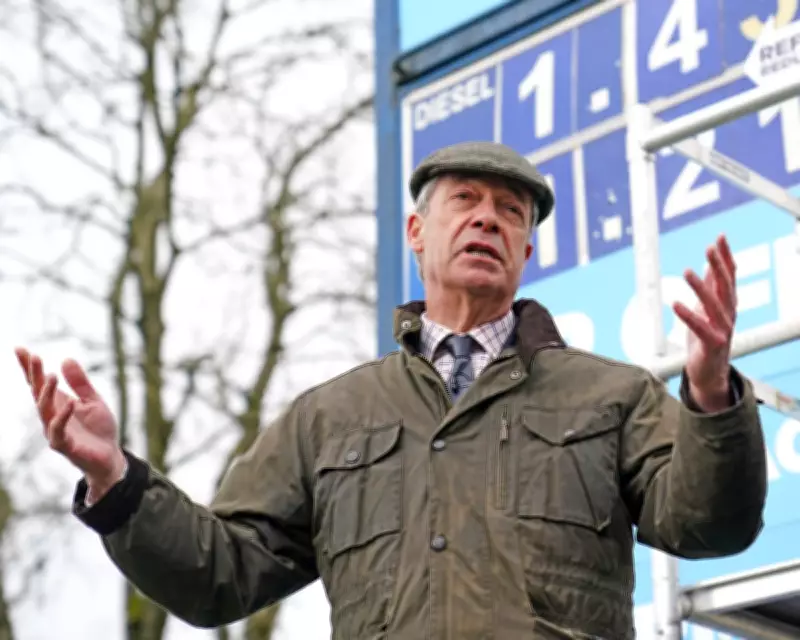
Speaking at a Reform UK press conference held at the New Haven petrol station in Buxton, Derbyshire, on Tuesday, Farage emphasized a cautious approach. He asserted, "There are differing opinions as to whether we should physically join the attacks. I, as leader, am saying to you, if we can’t even defend Cyprus, let’s not get ourselves involved in another foreign war." This marks a departure from his initial response to the conflict, where he supported regime change in Iran and urged full backing for military operations.
A Labour party spokesperson criticized the shift, stating, "Reform wanted the UK to go to war in Iran and are now trying to cover up the consequences for British families, including higher fuel prices." The controversy has highlighted existing fault lines within Reform UK regarding foreign policy, particularly the debate over adopting a more isolationist "Britain First" stance, mirroring divisions seen in Trump's conservative base in the US.
Internal Divisions and Public Opinion
The conflict has exposed deep rifts among senior Reform figures. Richard Tice, the deputy leader, has maintained a gung-ho position, advocating for unconditional support to the US and Israel. In contrast, Robert Jenrick, the Reform Treasury spokesperson, has promoted a "hands off" approach, warning that prolonged conflict could spike prices and harm British consumers. Andrea Jenkyns, mayor of Greater Lincolnshire, suggested openness to deploying British troops, while Nadhim Zahawi, a recent recruit, has called for active UK participation in bombing campaigns.
Despite Farage's insistence that he disregards public opinion, a YouGov poll reveals a split among Reform's 2024 voters. Nearly a quarter (24%) support actively joining the attack on Iran, while 63% favor either retaliatory or defensive measures. This division underscores the broader challenges Reform UK faces in unifying its stance on international engagements.
Broader Implications for Reform UK
The ongoing debate over Iran policy not only questions Farage's consistency but also tests Reform UK's cohesion on critical issues. As key figures express divergent views, the party's ability to present a unified front remains in doubt. The situation reflects a larger trend of political realignment, where isolationist sentiments clash with interventionist traditions, shaping the future of UK foreign policy discourse.