Government Creates New Tsar to Combat Rising Anti-Muslim Hostility
The Government has announced the creation of a new tsar role specifically designed to address escalating hatred directed towards Muslims across the United Kingdom. This official, titled the 'special representative on anti-Muslim hostility', will be appointed with a mandate to 'strengthen understanding, reporting and response' to incidents targeting the Islamic community.
Historic Definition and Record Crime Levels
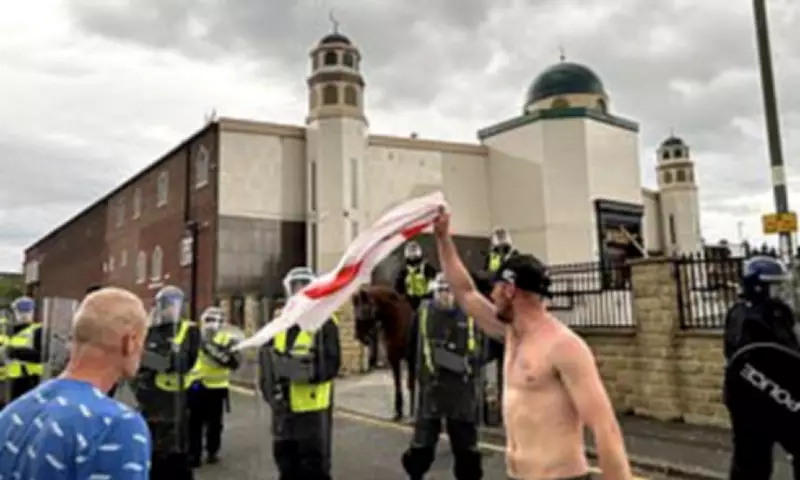
In a parallel move, ministers have established what they describe as a 'historic' definition of anti-Muslim hostility. This framework aims to protect followers of Islam from what the Government terms 'unacceptable abuse and violence'. The Ministry of Housing, Communities and Local Government (MHCLG) revealed that hate crimes against Muslims have reached 'record levels', with many individuals 'living in fear that they will be targeted because of how they look or assumptions over where they come from'.
However, the Government has been keen to stress that this new definition will also explicitly guarantee 'the fundamental right to freedom of speech'. This assurance comes amid significant concerns that the measure could inadvertently establish a blasphemy law through indirect means. Initially, there were plans to define the term 'Islamophobia', but these were abandoned due to free speech apprehensions. Instead, the focus shifted to adopting the more specific terminology of 'anti-Muslim hostility'.
Campaigner Warnings and Broader Strategy
Despite these precautions, campaign groups have issued stark warnings. They argue that the chosen definition could prove more dangerous, potentially creating an even broader term that might be exploited by certain factions seeking to influence political debates on sensitive issues like immigration and counter-terrorism policies.
These controversial announcements form a key part of a wider cross-Government initiative to reduce societal divisions. The Government stated that these divisions have intensified following decades of rapid transformation, including 'technological advancements, demographic change, local industries collapsing, the increasing cost of living and the decline of vital public services'.
The MHCLG pointed the finger at 'bad actors, including from abroad', accusing them of inflaming community tensions and promoting 'toxic division and extremist ideology'. The department claims that its cohesive efforts will result in millions of families 'feeling a stronger sense of community, unity and national pride'.
Unveiling the Cohesion Plan
Communities Secretary Steve Reed unveiled the new cohesion strategy, named 'Protecting What Matters', in the House of Commons. He declared, 'Today, through the publication of Protecting What Matters, we set out the first steps towards a more confident, cohesive, and resilient United Kingdom. This plan is what patriotism means to this government. We choose to celebrate our national successes and historic achievements, we choose to come together in the best of times and the worst of times, and we choose to take on those who try to divide us.'
The strategy also outlines 'clear expectations' for integration aimed at 'people looking to settle in the UK'. These expectations encompass 'shared language, local participation and respect for shared values'. To support this, the Government will examine how English is taught and explore whether new technology can assist more people in speaking the language confidently.
Additional Measures and Funding
A £500,000 'school linking' project will be launched to 'bring children from different backgrounds together, helping them forge friendships and understand what they have in common'. Furthermore, the strategy includes new actions on extremism, such as granting stronger powers to the Charity Commission to shut down organisations that promote dangerous views, and a concerted drive to prevent hate preachers from entering the UK.