Markwayne Mullin Sworn in as Homeland Security Secretary Amid Political Turmoil
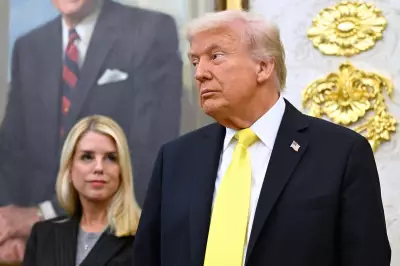
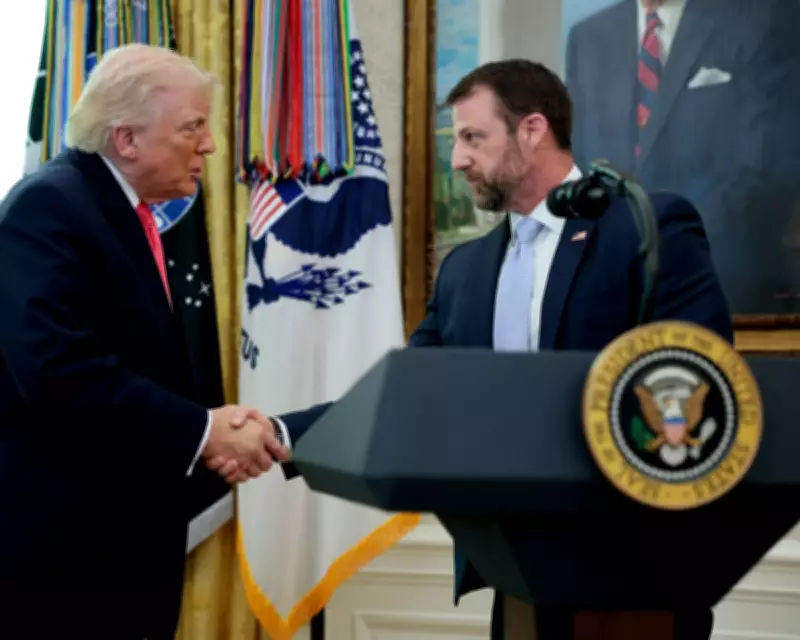
In a ceremony at the White House on Tuesday, former Republican senator Markwayne Mullin was officially sworn in as the new secretary of the Department of Homeland Security (DHS). The event, presided over by Attorney General Pam Bondi and attended by Donald Trump, marked a pivotal moment as the administration grapples with a funding crisis that has disrupted airport security and sparked partisan clashes over immigration policy.
Republican Funding Proposal Emerges Amid Shutdown Chaos
Simultaneously, Senate Republicans, led by Majority Leader John Thune, unveiled a compromise funding offer aimed at restarting operations for most of the DHS. This proposal comes after weeks of deadlock since mid-February, when Democrats insisted on including new guardrails on immigration enforcement following the deaths of two US citizens in Minneapolis at the hands of federal agents.
The funding lapse has led to severe congestion at Transportation Security Administration checkpoints in some airports, with lines stretching for hours. In response, Trump deployed agents from Immigration and Customs Enforcement (ICE) on Monday, claiming it was an effort to alleviate the delays. However, the Republican compromise excludes many of the reforms demanded by Democrats, such as requirements for judicial warrants, agent identification, and stricter use-of-force policies.

Mullin Vows to Stand with Unpaid DHS Employees
During his swearing-in remarks, Mullin, a former senator from Oklahoma, emphasized his commitment to DHS employees who have been working without pay due to the political impasse. "I told them, as you’re fighting 365 days, understand I’ll be fighting 365 days beside you," he stated. "No one’s going to outwork me, and I’m not going to let any of them outwork me. The president has entrusted me with this, and failure is not an option."
His appointment follows the departure of the previous secretary, with Trump expressing confidence in Mullin's ability to navigate the ongoing challenges. The ceremony underscored the administration's focus on homeland security amid escalating tensions over funding and enforcement.
Political Standoff Over Immigration Reforms Intensifies
The Republican funding proposal, crafted after a late Monday meeting between GOP senators and Trump, partially funds ICE and Customs and Border Protection (CBP) but omits key Democratic demands. Thune argued that Democrats showed little interest in reforms, stating, "It became very clear to us that they really weren’t interested in reforms. If they want to have a conversation about some of the reform ideas that they had put in front of us, then that would be contingent upon actually providing funding for ICE."
Trump, who initially insisted on linking any deal to the Save America Act—a bill imposing new voter ID mandates—has since softened his stance. On Tuesday, he told reporters, "I’m going to look at it and we’re going to take a good hard look at it. I guess they’re getting fairly close but I think any deal they make, I’m pretty much not happy with it." This shift highlights the volatile nature of the negotiations.
Democratic Response and Future Prospects
Democrats have reacted cautiously to the GOP offer. Senate Minority Leader Chuck Schumer emphasized the urgency of resolving the airport security lines, calling them "untenable," while awaiting details of the proposal. Patty Murray, the top Democrat on the appropriations committee, reiterated the party's stance that any funding for ICE or CBP must include reforms to rein in enforcement agencies.
"The current Republican offer in front of us does not do that. We have made some progress, and the White House has already agreed to some steps. Bottom line: reforms must make it into law," Murray asserted. She advocated for standalone legislation to fund DHS operations separately from immigration enforcement, a move Republicans have rejected.

Despite the shutdown, ICE operations have continued due to funding allocated in last year's One Big Beautiful Bill Act. Meanwhile, in Oklahoma, Governor Kevin Stitt appointed energy executive Alan Armstrong to replace Mullin in the Senate, though state law prevents Armstrong from running for a full term, setting the stage for a November election.
As the political drama unfolds, the nation watches to see if a compromise can be reached to restore full DHS funding and address the deep divisions over immigration policy.