MPs Launch Inquiry into Student Loan Repayments as Graduate Pressure Builds
The Treasury select committee has initiated a comprehensive investigation into the student loan system, scrutinising repayment terms and their impact on graduates. This move comes amid escalating pressure on Downing Street to address the growing burden of student debt, which many argue has become unsustainable for young professionals.
Martin Lewis Sparks Debate on Student Debt Morality
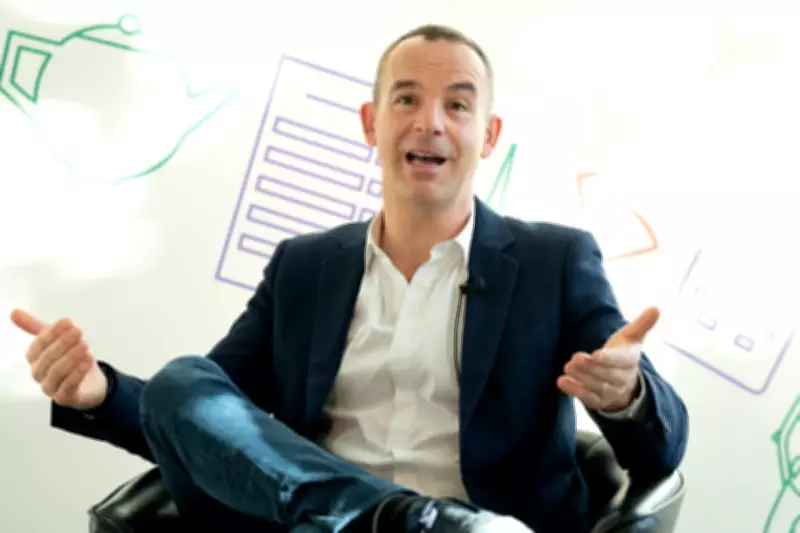
Consumer champion Martin Lewis recently disrupted a political interview to condemn what he called the "immorality" of current student loan arrangements. His intervention has intensified calls for reform, with ministers facing sustained pressure to alleviate the strain on graduates. Lewis is expected to provide crucial evidence to the committee, alongside testimonies from financially stretched young professionals.
Committee Examines Plan 2 Loans and Repayment Terms
The cross-party committee, chaired by Labour's Meg Hillier, will focus particularly on "Plan 2" loans—debts incurred by students between September 2012 and July 2023. These loans are substantial due to tuition fee increases from £1,000 to £3,000 annually during that period, coupled with interest rates tied to RPI, currently ranging between 3.2% and 6.2%.

Compounding the issue, Chancellor Rachel Reeves has frozen the repayment threshold at £28,470 for at least the next three years. According to the Institute for Fiscal Studies, graduates repay 9% of earnings above this threshold, creating a marginal tax rate approaching 40% on relatively modest incomes. With inflation expected to rise this year, debt burdens are likely to increase further.
Widespread Impact and Political Accountability
The committee's investigation includes an online survey allowing graduates to share their experiences directly. Research indicates that approximately 83% of graduates will not fully repay their loans within the 30-year term, highlighting systemic issues.
Political responsibility spans multiple administrations: Labour introduced upfront tuition fees in 1998 and the loan system in 2004; the Conservatives and Liberal Democrats raised fees to £9,000 annually in 2012 and implemented interest charges; and the current Labour government has maintained the frozen repayment threshold.
Potential Outcomes and Political Responses
While the committee cannot redesign the entire loan system, it is expected to propose practical recommendations to ease current distress. The inquiry will not address university funding directly, though this remains intrinsically linked to tuition fees.
Political momentum for change appears strong. Reeves faced criticism for defending current repayment rates as "fair and reasonable," while Keir Starmer has committed to exploring fairer alternatives. The Conservatives have pledged to end the "debt trap," suggesting bipartisan recognition of the need for reform.