MPs Clash Over Court Reforms as Victims Share Personal Delays
Justice Secretary David Lammy's controversial court reforms have passed their first parliamentary hurdle in the House of Commons, sparking heated debate among MPs, including those who are victims of the very court backlog the bill aims to address. The Courts and Tribunals Bill, designed to tackle a staggering backlog of 80,000 crown court cases, received 304 votes in favour to 203 against at its second reading.
Personal Stories Highlight Systemic Failures
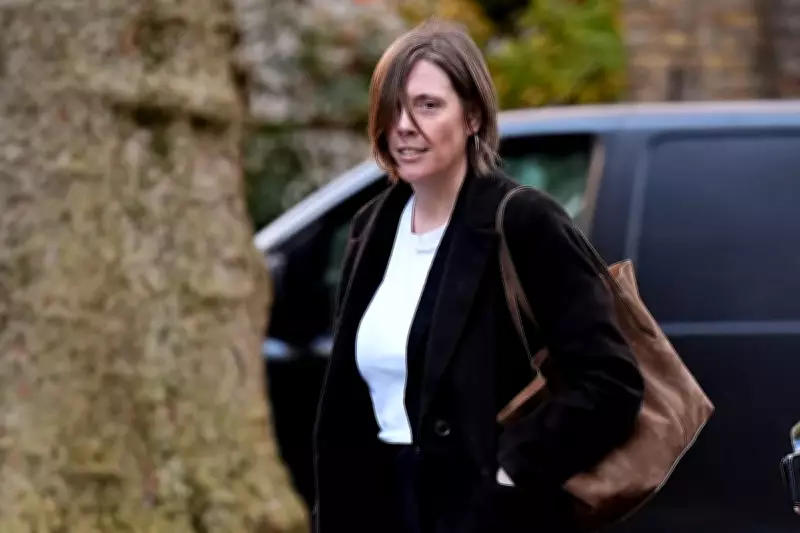
Safeguarding minister Jess Phillips, a vocal supporter of the reforms, revealed she is a direct victim of the court delays. Her case involving a breach of a restraining order is not scheduled for trial until 2028, underscoring the severe delays plaguing the justice system. Phillips expressed full backing for the bill, arguing that urgent action is needed to prevent such lengthy waits for justice.
In contrast, Labour MP Charlotte Nichols, a rape survivor, criticised the Government for what she described as 'weaponising' victims' experiences to push through the legislation. Nichols highlighted her own agonising wait of 1,088 days for her court case, asserting that the reforms are not genuinely victim-focused despite being marketed as such.

Key Provisions and Opposition
The proposed reforms include radical measures such as curbing jury trials for less serious offences, introducing unlimited court sitting days to increase capacity, and expanding the use of artificial intelligence to streamline processes. However, these changes have faced significant opposition from over 3,200 legal experts who argue they could undermine fair trial rights and judicial integrity.
Despite the criticism, the bill has garnered support from a group of female Labour MPs and Victims' Commissioner Claire Waxman, who believe it represents a necessary step towards reducing delays and improving access to justice for victims.
Broader Implications and Future Steps
The debate highlights deep divisions within Parliament over how best to address the court backlog, with personal testimonies from MPs like Phillips and Nichols bringing a human face to the statistical crisis. As the bill moves to further parliamentary stages, its fate will hinge on balancing efficiency with safeguarding victims' rights, a challenge that continues to polarise lawmakers and legal professionals alike.