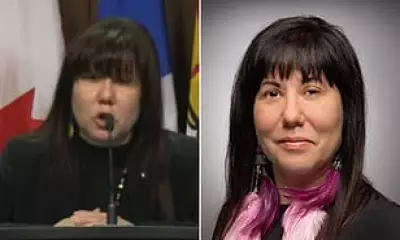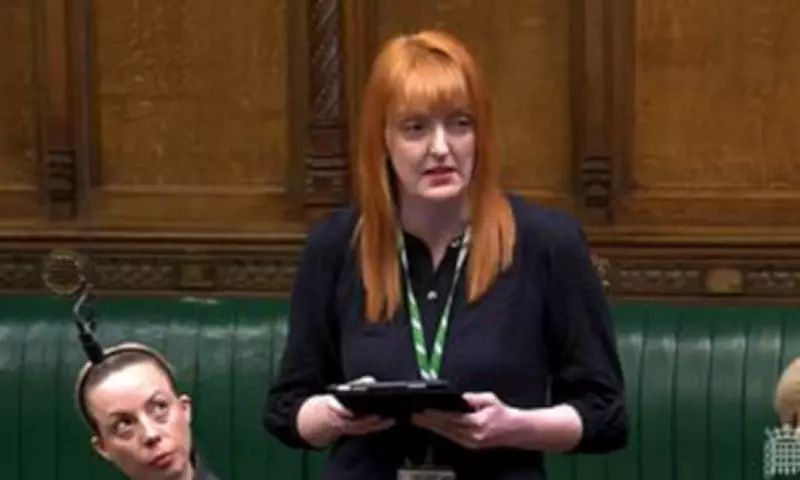
In a profoundly emotional and unprecedented intervention in the House of Commons, Labour MP Charlotte Nichols today revealed she suffers from post-traumatic stress disorder after being raped, while delivering a powerful condemnation of Government proposals to curtail jury trials.
Waiving Anonymity in Hushed Chamber
The Warrington North MP spoke during a debate on the controversial Courts and Tribunals Bill this afternoon, flanked by supportive Labour colleagues in a hushed parliamentary chamber. Ms Nichols disclosed that while it was known she had suffered "PTSD as a result of a crime," she had never before specified the nature of that crime.
"In doing so I am aware I am waiving my right to anonymity and the personal consequences that come along with that," the MP told fellow parliamentarians, marking a significant personal disclosure about an attack that occurred while she was attending an event in her capacity as a Member of Parliament.

1,088 Days of Agony Before Court
Ms Nichols revealed the profound toll the criminal justice process had taken on her mental health, stating she waited 1,088 days to go to court after being raped.
"Every one of those days was agony, made worse by having a role in public life that meant that the mental health consequences of my trauma were played out in public," she explained, adding that the event leading to her eventual sectioning for her own safety still generates regular social media abuse from strangers.
The Labour MP expressed deep sympathy with others let down by the criminal justice system, drawing directly from her own harrowing experience to inform her parliamentary position.
Accusing Government of Weaponising Victim Experiences
In her most pointed criticism, Ms Nichols accused the Government of "weaponising" the experiences of victims to justify changes to jury trial arrangements.
"We have been told that if we have concerns about this Bill it is because we have not been raped or because we don't care enough for rape victims," she told the Commons. "The opposite is true in my case. It is because I have been raped that I am as passionate as I am about what it means for a justice system to be truly victim focused."
She emphasized that her direct experience with the system's failures made her particularly concerned about what reforms would genuinely deliver justice for survivors and victims of crime more broadly.
Finding Closure Through Civil Process
Ms Nichols revealed that after her alleged attacker's acquittal in criminal proceedings, she initially blamed herself, but eventually found "closure" through a successful civil process.
This resulted in a compensation order and a formal finding that she had been a "blameless" victim, details she shared with Parliament to underscore the complexities victims face within the justice system.
Broader Political Context of Jury Trial Reforms
The emotional speech occurred against the backdrop of significant political tension, with Justice Secretary David Lammy facing a revolt by Labour MPs over the jury trial plans.
Earlier in the debate, Mr Lammy told the Commons the choice was "stark" as he argued for urgent measures to keep the criminal justice system functioning amid rising court backlogs.
The Government's proposed changes include:
- Scaling back the right for defendants to stand trial before a jury to speed up the system
- Introducing judge-only trials for some offences
- Increasing magistrates' sentencing powers from 12 to 18 months imprisonment
- Having cases with likely sentences of three years or less heard by a single crown court judge without a jury
Labour MPs have raised substantial concerns about whether magistrates' courts have the capacity to handle additional cases and whether the broader reforms are workable in practice.
The Courts and Tribunals Bill represents one of the most significant changes to trial procedures in recent years, sparking intense debate about the balance between efficiency and defendants' rights to trial by their peers.