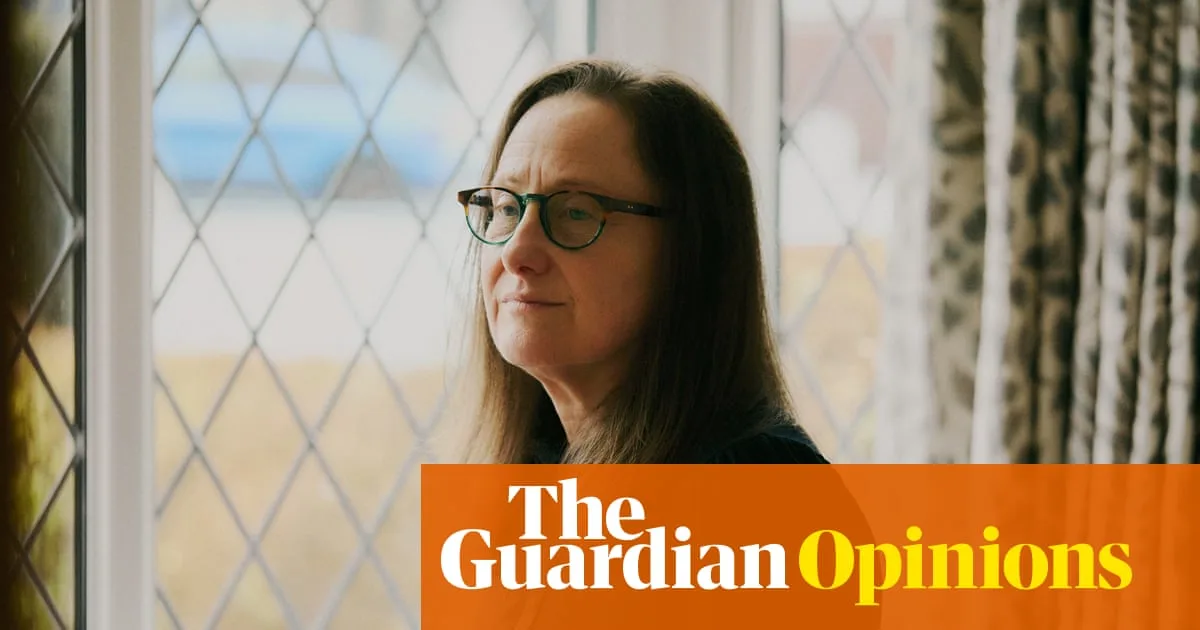
The tragic story of a mother whose eight-year-old daughter died after exposure to polluted water has reignited the debate over water privatisation in the UK. Julie Maughan's daughter, Heather Preen, died years ago, but her mother's grief and determination were laid bare at a recent parliamentary meeting hosted by Labour MP Clive Lewis. The event, which included the cast and crew of the Channel 4 docudrama Dirty Business, left Lewis deeply moved, describing Maughan's quiet dignity and resolve that no other family should suffer the same fate.
Lewis, who has been campaigning to bring water back into public ownership, said the encounter transformed the issue from a matter of policy into a moral question: 'What kind of country allows this to happen? And what kind of country decides it will not allow it to happen again?' He argued that the water industry's failures are symptomatic of a broader capitalist system that prioritises profit over people, extracting wealth from necessities like water, housing, and energy while the public bears the risks.
For over three decades, private water companies have operated under a model that allows them to extract profits from a basic necessity, with bills rising, investment falling short, and pollution becoming routine. Lewis highlighted what campaigners call the 'privatisation premium' – the extra cost households pay to sustain a system built around debt and shareholder returns. He warned that this is not just a sectoral failure but a systemic one, and that getting water right is a test of whether the economy can serve the public interest.

With households facing another wave of pressure from rising energy prices and living costs, Lewis called on progressives to wage a battle against a 'rotten capitalist system' that milks resources and destroys lives. He urged the Labour government to seize the moment and bring water back into public ownership, arguing that if we cannot get something as fundamental as water right, it says little for the rest of the economy.