Ministers Launch £1bn Youth Jobs Scheme Amid Welfare Reform Clash
Ministers Launch £1bn Youth Jobs Scheme Amid Welfare Row

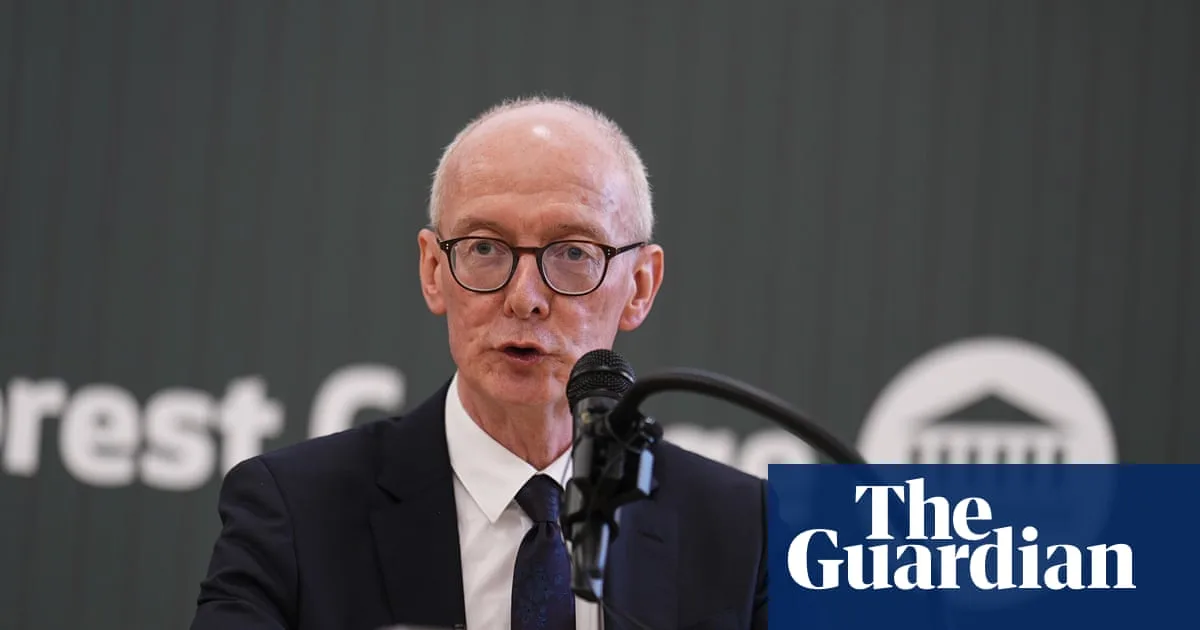
Ministers are poised to escalate a confrontation with Labour MPs over welfare reform on Monday, driven by mounting alarm over the escalating number of young people being signed off sick. Work and Pensions Secretary Pat McFadden will introduce a substantial £1 billion scheme aimed at assisting 200,000 young individuals into employment or apprenticeships.

Urgent Call for Welfare System Overhaul

However, Mr McFadden will simultaneously issue a stark warning to Labour MPs, asserting that the Government can no longer afford to sidestep essential welfare reforms. This follows last year's scenario where Labour MPs successfully pressured the administration to abandon what they labelled as 'cruel' plans involving £5 billion in welfare cuts.

Mr McFadden is set to advocate for a significant transformation of a system that he claims 'too readily funnels young people down a path labelled "unfit for work"'. He will reference alarming statistics indicating that individuals under 25 on sickness benefits are now less likely to secure employment than those over 55 with poor health.

Wide Pickt banner — collaborative shopping lists app for Telegram, phone mockup with grocery list

Youth Unemployment: A Growing Crisis

The Secretary will caution that youth unemployment carries the risk of 'lifelong consequences' for those impacted. This warning coincides with newly released figures revealing a sharp increase in the number of jobless young people attributing health problems as the primary reason for not working.

Specifically, the proportion of 16 to 24-year-olds not in education, employment, or training (Neets) who report a work-limiting condition has surged by 70 percent over the past decade. The Health Foundation has highlighted that this trend potentially places this generation 'at even greater risk of harm to their future opportunities'.

Research conducted by the think tank indicates that between 2015 and 2025, the share of Neet young people citing conditions that prevent them from working escalated from 26 percent to 44 percent. Notably, last year, mental health issues and autism constituted more than two-thirds of Neet youngsters who identified health barriers to employment.

According to the Office for National Statistics, the number of Neets aged 16 to 24 reached 957,000 in the three months leading to December, up from 946,000 in the preceding quarter.

Government Initiatives to Combat Unemployment

Mr McFadden will outline a series of initiatives designed to address the rise in youth unemployment since Labour assumed power. The party has faced criticism for exacerbating the problem through a £25 billion raid on National Insurance, increases in the minimum wage, and the introduction of a wave of new employment rights, which some argue have discouraged firms from hiring young staff.

The proposed measures include a £3,000 'youth jobs grant' paid to employers for each young person aged 18 to 24 they employ. Additionally, small and medium-sized enterprises will be offered £2,000 for every young apprentice they take on.

The 'jobs guarantee', which secures employment for those who have been jobless for 18 months, will be extended to all young people up to the age of 24. Furthermore, the number of apprenticeship places for older workers will be restricted to allocate more opportunities for the youth.

Mr McFadden emphasised that these plans provide 'life-changing opportunities to young people'. In contrast, shadow work and pensions secretary Helen Whately attributed the rise in youth unemployment to Labour's policies, stating: 'The best way to tackle this is to back businesses to create jobs, not tax them out of existence to fund benefits and subsidies.'

Pickt after-article banner — collaborative shopping lists app with family illustration




