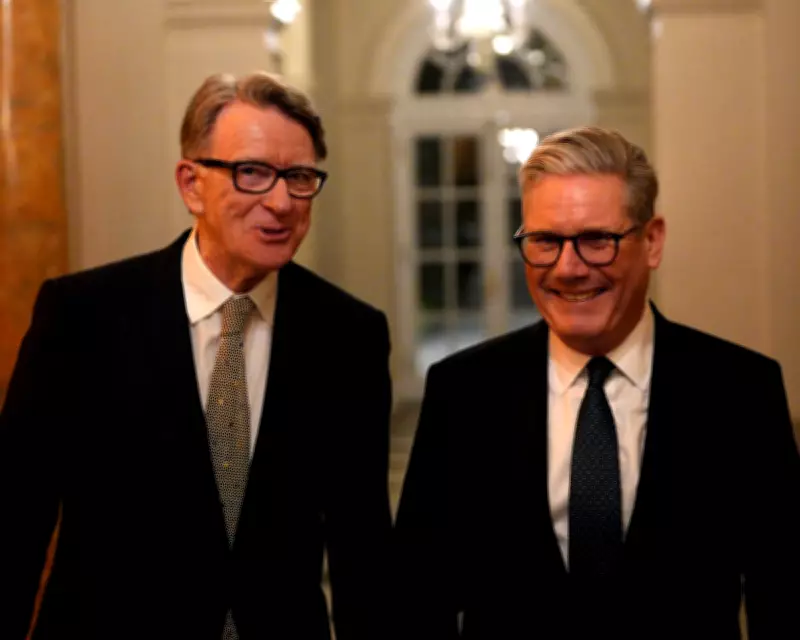
In a significant move that has stirred political circles, Downing Street has officially appointed Peter Mandelson as a senior adviser to Prime Minister Keir Starmer. This appointment, confirmed by No 10 sources, marks a notable return to frontline politics for Mandelson, a veteran figure known for his strategic acumen and controversial past.
Background and Political Implications
Peter Mandelson, a former Labour cabinet minister and key architect of the New Labour era under Tony Blair, brings decades of experience to Starmer's administration. His role is expected to focus on strategic communications, policy development, and navigating the complexities of Westminster politics. The decision to bring Mandelson on board reflects Starmer's intent to leverage seasoned expertise as he steers the government through a challenging political landscape.
Reactions from Across the Spectrum
The appointment has elicited mixed reactions from political observers and party members. Supporters argue that Mandelson's insights could bolster Starmer's leadership, particularly in areas like economic policy and international relations. However, critics have raised concerns about his past controversies, including his resignation from government roles, and question whether his involvement aligns with Starmer's pledge for a "fresh start."

Some Labour MPs have expressed unease, fearing that Mandelson's influence might overshadow newer voices in the party. Conversely, allies of the Prime Minister emphasize that his advice will be invaluable in crafting a coherent and effective government agenda.
Strategic Rationale Behind the Move
Analysts suggest that Starmer's choice underscores a pragmatic approach to governance. With pressing issues such as economic recovery, healthcare reform, and Brexit-related negotiations on the horizon, Mandelson's experience in high-stakes politics could provide crucial guidance. His appointment is seen as part of a broader strategy to strengthen the Prime Minister's inner circle with individuals who have proven track records in managing political crises and public perception.
Moreover, this move signals Starmer's willingness to bridge divides within the Labour Party, drawing on figures from different eras to build a unified front. It also highlights the ongoing evolution of Labour's identity under his leadership, balancing traditional values with modern political realities.
Future Outlook and Potential Impact
As Mandelson assumes his advisory role, attention will turn to how his involvement shapes key policies and political narratives. Observers will monitor whether his presence helps Starmer consolidate power or leads to internal friction. The appointment could influence upcoming legislative efforts and the government's approach to critical issues like immigration, defence, and constitutional matters.
In the broader context, this development adds a layer of intrigue to British politics, with Mandelson's return symbolizing both continuity and change. It remains to be seen how his counsel will impact Starmer's tenure and the direction of the Labour government in the coming months.