House of Lords Poised for Crucial Abortion Law Debate
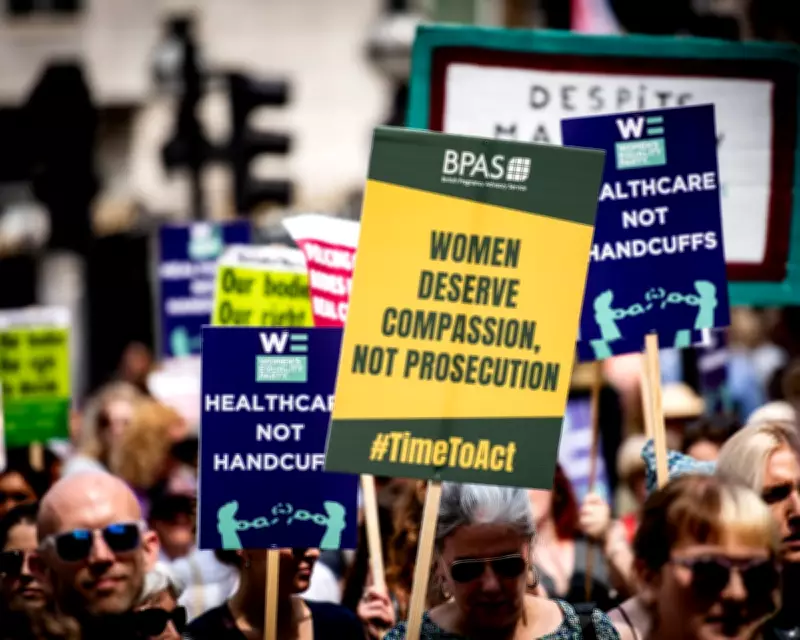
In a significant parliamentary development, the House of Lords is preparing to deliberate on proposed amendments to abortion legislation this Wednesday evening. This follows a landmark vote in the House of Commons last year, where MPs overwhelmingly supported decriminalising abortion for women who terminate pregnancies outside the legal framework in England and Wales. The move was celebrated as the most substantial advancement in reproductive rights in over six decades.
Recap of the Commons Decision
In June of the previous year, MPs voted decisively to amend the crime and policing bill, with 379 in favour and 137 against. The amendment, championed by Labour backbencher Tonia Antoniazzi, aims to shield women from prosecution for abortions conducted outside the established legal parameters. However, it is crucial to note that the existing framework—requiring two doctors' signatures and adhering to time limits—remains unchanged. Medical professionals who violate these rules still face potential legal consequences.
Despite this legislative progress, women continue to be arrested in connection with abortion-related offences. Harriet Wistrich, a solicitor and chief executive of the Centre for Women's Justice, has clarified that police retain discretion in these matters. Officers may opt for voluntary interviews rather than immediate arrests, even when investigations are deemed necessary.

Key Amendments Under Scrutiny
As the Lords gear up for the debate, nine amendments have been tabled, with votes anticipated on multiple proposals. The amendments span a spectrum of viewpoints, including both pro-choice and anti-abortion measures. Among the most notable are:
- Strikethrough Amendment: Proposed by Conservative peer Rosa Monckton, this seeks to entirely remove the decriminalisation clause from the bill, effectively reversing the Commons' decision.
- Telemedicine Amendment: Put forward by Conservative peer Philippa Stroud, this aims to abolish remote consultations for abortions, which were made permanent in 2022 after being introduced during the pandemic. It would mandate in-person consultations for all cases, despite a similar proposal failing in the Commons last June.
- Pardon Amendment: Introduced by Labour peer Glenys Thornton, this would legislate pardons for women with convictions or cautions for abortion offences, removing their details from police systems. Currently, such offences are classified as violent crimes, leading to permanent disclosure in DBS checks.
- Cease and Desist Amendment: Proposed by Liberal Democrat peer Liz Barker, this would extend the decriminalisation to women under investigation for offences committed before the law change, ensuring current cases are discontinued.
Path Forward and Implications
The crime and policing bill is expected to complete its parliamentary journey in the coming weeks. If the Lords vote to retain the decriminalisation clause, it will become law immediately upon receiving royal assent. This debate underscores the ongoing tensions in abortion policy, balancing reproductive rights with legal safeguards, and will have lasting impacts on women's health and justice in England and Wales.