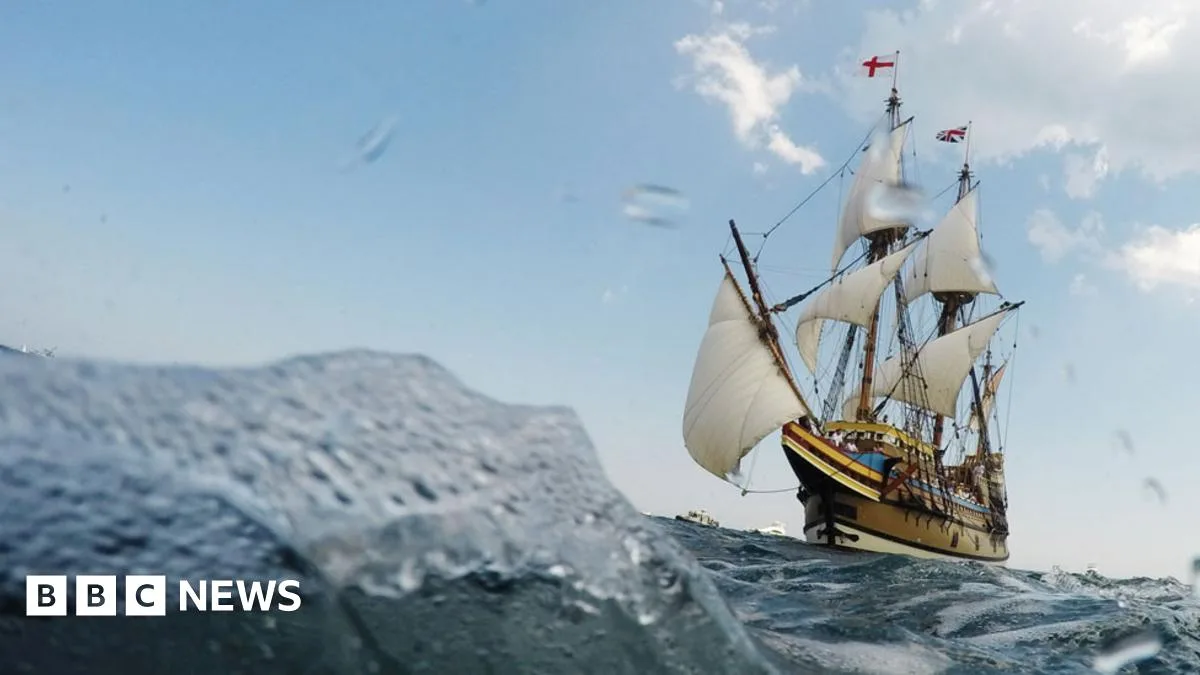
A new exhibition in London is uncovering lesser-known aspects of the Mayflower story, challenging common misconceptions about the Pilgrim Fathers. The display, timed to coincide with the 400th anniversary of the voyage, highlights that the Mayflower did not bring the first English settlers to America, nor was Plymouth the first colony. Jamestown, Virginia, was founded 13 years earlier, and Spanish settlers had already established Santa Fe in what is now New Mexico.
The exhibition also corrects the frequent confusion between the Pilgrim Fathers and the Founding Fathers. George Washington was not a Mayflower passenger, though nine US presidents, including George H.W. Bush and Franklin D. Roosevelt, can trace their ancestry to the ship's passengers. Additionally, the Pilgrims were not the first Europeans to interact with Native Americans; contact had been ongoing for a century, including through the slave trade. Some Wampanoag tribe members could even speak English when the Pilgrims arrived.
Despite the myths, the Mayflower's significance remains contested. The 400th anniversary comes amid America's reckoning with its history of slavery and systemic racism, as seen in the removal of Confederate statues and the Black Lives Matter protests. The exhibition invites visitors to reconsider the Pilgrims' legacy in light of these contemporary debates, noting that the past is always present in the United States.