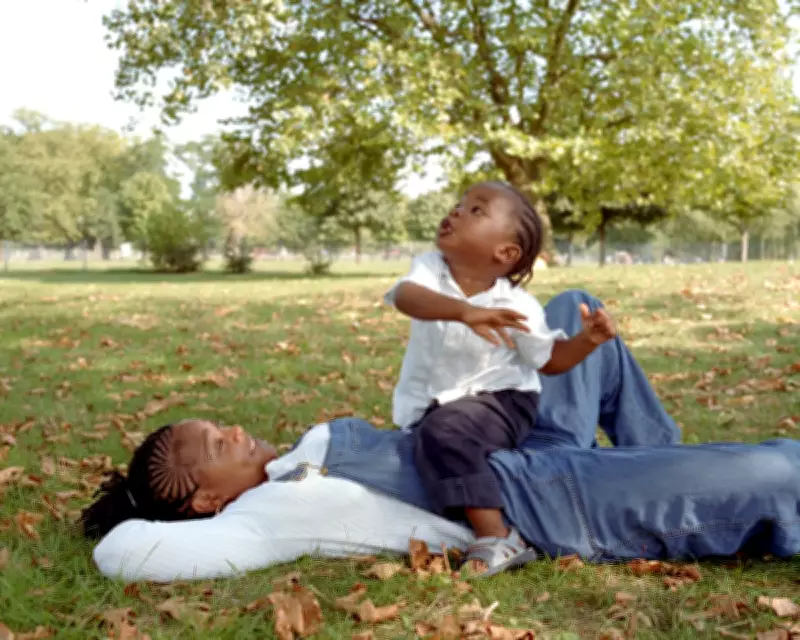
London's parks offer a vital refuge for families with young children, providing green spaces for play and relaxation. Photograph: Sean De Burca/Getty Images (Posed by models). After spending almost a decade in the United States, I have returned to London, and I find myself longing for the warm, outgoing nature of New Yorkers. The experience has highlighted how reserved Brits can be in social interactions, often pulling back when strangers attempt to connect, even on a superficial level.
From Boarding School to Brooklyn: A Life of Movement
As the child of immigrants, I have always been inclined to leave home, starting with boarding school at age eleven and rarely looking back. My most significant move occurred at thirty-three, when I relocated from London to New York on a multi-year visa, accompanied only by the promise of my belongings arriving later. I adapt well to new environments, thriving rather than floundering like a fish out of water. Initially planning a twelve-month stay to cover an electrifying election year, I ended up remaining for nearly ten years, during which my hair gained silver streaks, my palate expanded to embrace North American cuisines, and my body began to emit involuntary sounds upon standing. Now, returning home feels like an experiment in friction, especially as I navigate it with older bones.
The Challenge of Transatlantic Parenting
Last August, I flew back to London with precious cargo: my toddler, born and raised in the US, complete with a Brooklyn accent and a fondness for tacos and apple-cinnamon Cheerios. Moving across an ocean with a small child is an arduous emotional task, requiring the dismantling and reconstruction of their entire world over three thousand miles away. It is not something I would recommend lightly, but we persevered and now call south London home. This marks my first experience of parenthood and my initial time living in London as a parent, a stark contrast to my previous life in a compact Clapton flat above a cafe, where I answered only to myself and spent disposable income solely on personal indulgences.

Reconfiguring a Familiar City
Today, I rarely travel alone, having abandoned night buses in favour of family-friendly outings. The Young V&A, formerly the Museum of Childhood, has become a frequent haunt, overshadowing my former favourite, the Geffrye Museum, now known as the Museum of the Home. My last theatre visit was to see My Neighbour Totoro, cut short when my child needed ice cream to cope with the soot sprites. Moving south of the river for more space has reset my geographical familiarity, introducing new buses, trains, cafes, and venues where children's play takes precedence. While my friends remain supportive, London often feels like an uncanny valley, a place both known and strangely alien.
The Reticence of Brits: A Cultural Contrast
My time away had dulled my memory of British reserve. I recall an incident at the Royal Academy of Arts where a visitor shushed my excited child for loudly pointing out eyes in a Kerry James Marshall painting. Similarly, assistance with buggies on the underground is seldom offered. I do not miss New York itself so much as the way New Yorkers inhabit their city—their chatty, friendly demeanour, their ease in human interactions, and their willingness to shout compliments or even insults across streets. I appreciate London's superior green spaces, but I yearn for the vibrant energy that Brooklynites bring, making their city feel more lived-in through sheer vim and vigour.
Thomas Wolfe's assertion that you cannot go home again is not entirely accurate; you can return, but you will undoubtedly have many observations and adjustments to make. As a freelance journalist, I reflect on these cultural nuances, pondering the balance between open spaces and human connection in urban life.