Liz Truss, the former Prime Minister whose tenure in Number 10 lasted a mere 49 days, has embarked on a new venture far from the despatch box: hosting her own YouTube talkshow. The first episode, released on Thursday, 4th December 2025, features a lengthy interview with Reform UK honorary president Nigel Farage, signalling a clear direction for her post-premiership platform.
From Downing Street to the Digital Studio
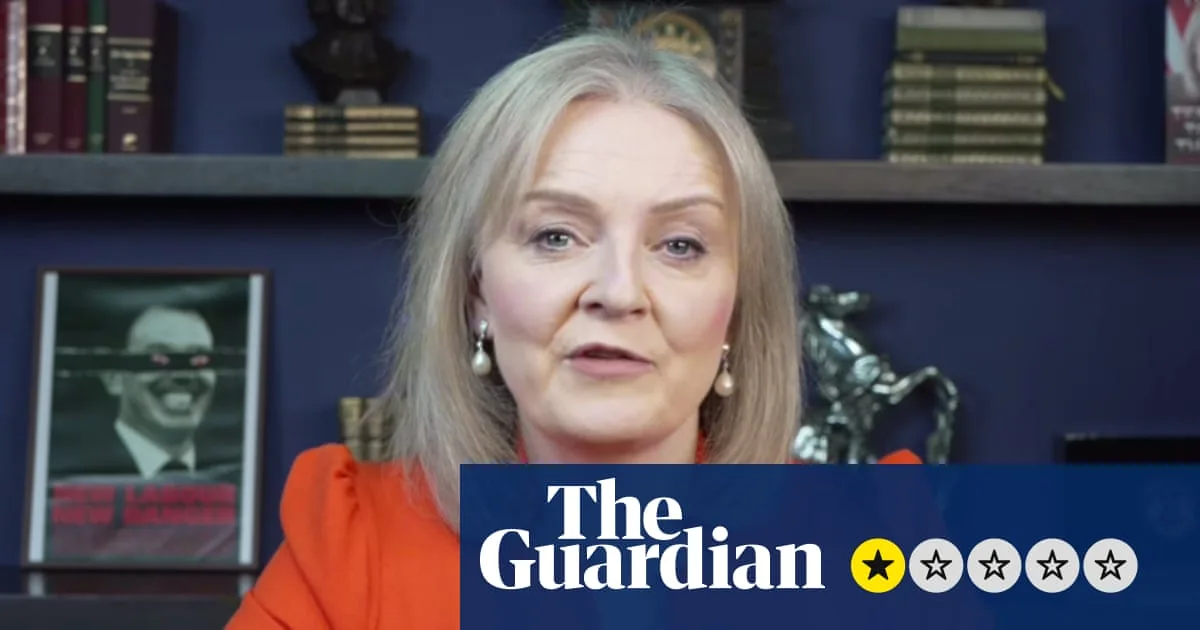
Filmed in a modest office setting, the show titled simply 'Liz Truss' presents a more informal version of the former Conservative leader. The debut episode runs for an hour and twenty minutes, a stark contrast to the soundbite-driven nature of modern political media. This move places Truss among a growing list of politicians seeking direct communication with the public, bypassing traditional journalistic intermediaries.
The choice of inaugural guest is particularly telling. Nigel Farage, a perennial disruptor of British politics, discussed topics ranging from global political alliances to his views on the current Conservative leadership. The conversation, described as a "meeting of minds," underscores Truss's continued alignment with a specific, populist strand of right-wing thought. Her decision to platform Farage so prominently will be seen as a pointed message to the Tory mainstream.
A Platform for Unfiltered Advocacy
Analysts suggest this YouTube channel is less about rehabilitation and more about consolidation. It provides Truss with a controlled environment to advocate for the policies that defined her short premiership, notably the 'Growth Agenda' that culminated in the September 2022 mini-budget. Free from the constraints of collective cabinet responsibility or hostile interviewers, she can refine and re-pitch her economic vision directly to her base and any curious observers.
The format itself is a statement. The lengthy, conversational style harks back to a different era of media, potentially appealing to viewers weary of clipped, confrontational news segments. However, the risk is that it preaches largely to the converted, creating a digital echo chamber rather than winning new converts. The production, while professional, consciously avoids the high gloss of a television studio, perhaps aiming for an aura of authentic, grassroots discourse.
Political Repercussions and Future Moves
This venture raises immediate questions about Truss's future within the Conservative Party. By creating an independent media platform, she establishes a power base separate from the party machinery. It allows her to criticise, support, or pressure the leadership of Prime Minister Keir Starmer and her own party's frontbench on her own terms. The show could become a rallying point for disaffected Conservatives who share her ideological leanings.
Furthermore, the launch highlights the evolving relationship between politics and new media. YouTube, along with other social platforms, is no longer just for campaign ads or short clips; it is becoming a venue for substantive, long-form political content controlled by the figures themselves. Truss's foray follows a path being trodden by politicians across the spectrum, though her status as a former PM gives it unique weight.
The long-term impact remains to be seen. Will 'Liz Truss' the show become a influential voice in British politics, or a niche channel for political aficionados? Its success may depend on future guest bookings, the traction of her policy discussions, and whether she can translate online engagement into tangible political influence. What is clear is that Liz Truss has no intention of fading quietly from public life. Her YouTube channel is a bold declaration that she intends to keep fighting for her political legacy, one video upload at a time.