Lionel Jospin Obituary: A Political Career Defined by a Seismic Defeat
Lionel Jospin, the Socialist prime minister of France from 1997 to 2002, has passed away at the age of 88. His political legacy is indelibly marked by a stunning and unexpected defeat in the 2002 presidential election, which sent shockwaves through French politics and reshaped the nation's electoral landscape.
The 2002 Presidential Election: A Bolt from the Blue
In the lead-up to the first round of the French presidential election in April 2002, Jospin was widely regarded as a firm favourite. Opinion polls consistently predicted he would face the incumbent president, Jacques Chirac, in a closely contested second round. However, on the evening of Sunday, 21 April, the results delivered a political earthquake. Jospin was knocked into third place by the far-right National Front leader, Jean-Marie Le Pen, eliminating him from the race.
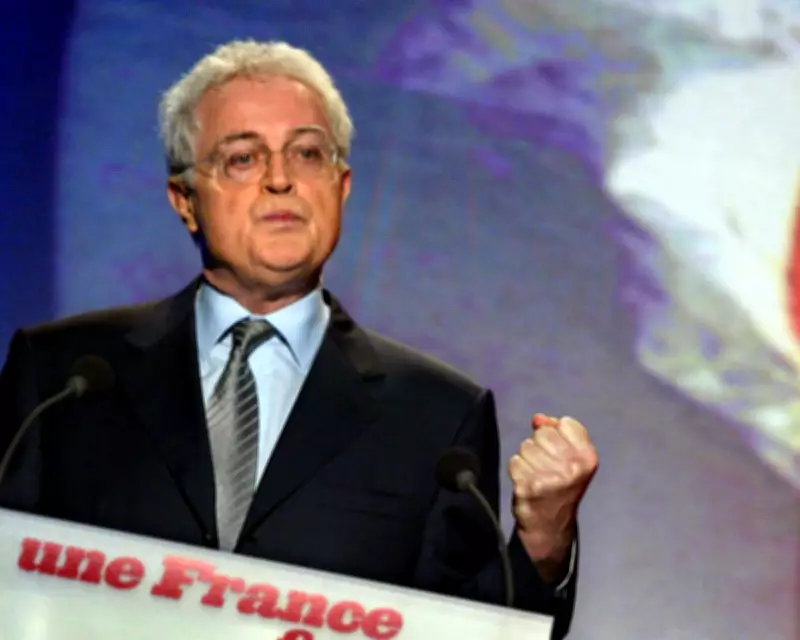
Outside the Socialist party headquarters in Paris, devastated supporters gathered in tears as Jospin addressed the crowd. He described the outcome as "a bolt from the blue" and announced his immediate withdrawal from political life, stating, "I take full responsibility for this defeat and I am drawing the necessary conclusions by stepping down from political life." This defeat led to a concerted "Republican barrage" that ensured Chirac's landslide re-election, aimed at blocking Le Pen's ascent.

Early Life and Political Ascent
Born into a Protestant family in Meudon, southwest of Paris, Jospin was one of four children. His father, Robert Jospin, was a teacher and member of the French section of the Workers' International, though he was expelled in 1945 for collaborating with the Vichy regime. Lionel had a tumultuous relationship with his father, recalling him as a "rigorous figure" who enjoyed political debates. Despite their tensions, Jospin later acknowledged that his father's argumentative nature gave him confidence.
After studying at the Institute of Political Studies and completing military service, Jospin entered the École Nationale d'Administration. He began his career as a secretary at the foreign affairs ministry, while secretly joining a Trotskyist movement under the pseudonym Michel—a fact hidden for three decades. Following the May 1968 student uprising, he left the ministry, joined the Socialist party, and taught economics at Paris-Sceaux Technical University.
Rise to Prominence and Premiership
Jospin's political rise accelerated in the 1970s, and he played a key role in François Mitterrand's successful 1981 presidential campaign. Mitterrand's favour led to Jospin becoming the party's first secretary in 1981. He later served as a member of the European parliament and, after Mitterrand's re-election in 1988, was appointed education minister. Despite internal party divisions and a lost parliamentary seat in 1993, Jospin's political disillusionment was short-lived.
In 1995, he made his first presidential bid, narrowly losing to Chirac. Two years later, he led a leftwing coalition to victory in the general election and became prime minister. During his tenure, he introduced landmark policies such as the 35-hour working week, universal health cover, and civil partnerships. He also oversaw France's transition to the euro in 2002. Jospin famously boasted of leading the "most leftwing government in Europe" and told Tony Blair that third way policies were not exportable, advocating that "the economy must serve people, not the other way around."
The 2002 Campaign and Its Aftermath
Jospin's 2002 presidential campaign was marred by strategic errors. He failed to unite leftwing factions, leading to a fragmented field of 18 candidates, which journalists attributed to his "pride." He also made personal attacks on Chirac, calling him "old, worn-out and tired," which alienated voters. High abstention rates during school holidays further compounded his challenges.

After his elimination, Jospin took four days to urge leftwing voters to "refuse the far right" in the subsequent race, without endorsing Chirac. He then retreated into political exile, with friends and family avoiding mention of the election. This defeat remains a trauma in French politics, marking the National Front's first step toward mainstream recognition, now rebranded as the National Rally.
Later Years and Legacy
In 2014, Jospin was appointed to France's constitutional council, serving until 2019, but he remained detached from daily politics. He is survived by his second wife, philosopher Sylviane Agacinski, and her son, Daniel, as well as two children from his first marriage. His death closes a chapter on a figure whose career exemplified both progressive achievements and a dramatic electoral downfall that continues to resonate in French political discourse.