Justice Secretary Makes Stark Plea for Jury Trial Reforms
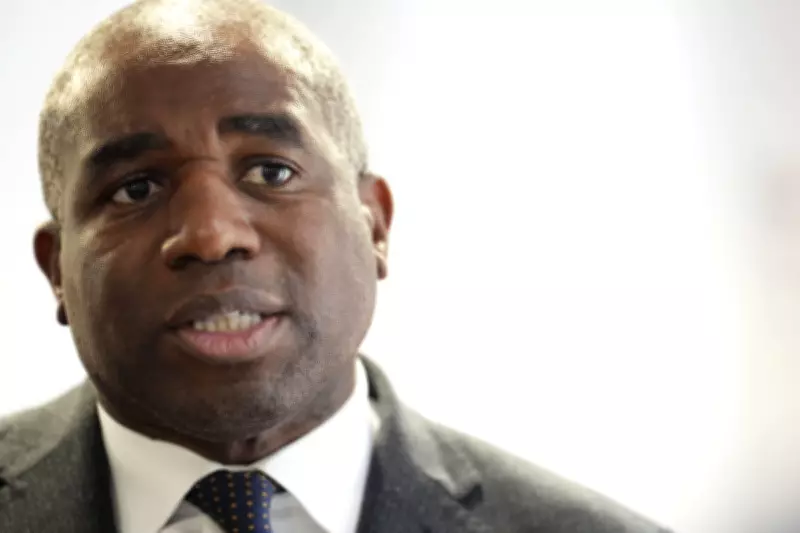
Justice Secretary David Lammy has issued a direct plea to Members of Parliament, urging them to support his government's controversial plans to curb access to jury trials. The call comes as Labour rebels within his own party have signaled their clear dissent, indicating they cannot back the proposed reforms.
Mr Lammy told the House of Commons that the choice facing Parliament was "stark," emphasizing the urgent need to keep the criminal justice system functioning effectively amid rapidly rising court backlogs. He warned that without decisive action, the backlog could swell to an alarming 200,000 cases within the next ten years.
Key Proposals of the Courts and Tribunals Bill
The government's proposed reforms, outlined in the Courts and Tribunals Bill, include several significant changes. Most notably, cases where the likely sentence is three years or less would be heard solely by a single crown court judge, without a jury present. This represents a substantial shift from the traditional right to trial by jury for many offences.

Additionally, magistrates' sentencing powers would be increased, allowing them to hand down prison terms of up to 18 months, a rise from the current 12-month limit. This expansion is intended to enable magistrates' courts to handle a greater volume of cases, thereby alleviating pressure on the crown courts.
Labour Rebels Voice Strong Opposition
Despite the government's arguments, Labour MPs have already indicated they will not be able to support the proposals. Karl Turner, the MP for Kingston-upon-Hull East and a former barrister, has been a longstanding critic of the plans. He described the Bill as "unworkable, unpopular, unjust and unnecessary" and confirmed he would abstain from voting.
Mr Turner expressed confidence that parliamentary scrutiny would lead to significant changes, stating: "I am more confident now than ever I was that the worst parts of this Bill will be defeated at amendment stage." He urged colleagues to allow the Bill to proceed to a second reading, with the aim of removing the most problematic elements during later stages.
Concerns Over Capacity and Impact
Other Labour MPs raised practical concerns about the reforms. Stella Creasy, representing Walthamstow, questioned whether magistrates' courts possess the necessary capacity to absorb the increased caseload from crown courts. She cited an Institute for Government report highlighting potential struggles with such a large demand increase, casting doubt on whether the promised "faster justice" would materialize.
Ms Creasy emphasized that for those unable to support the legislation, the concern stems from examining the data and questioning whether juries are being unfairly targeted instead of addressing the critical need for investment, which she attributed to damage caused by the previous government.
Further concerns were raised regarding the potential disproportionate impact on minority ethnic communities. Labour MP Naz Shah pressed Mr Lammy to "review robustly the impact of this Bill on people from minority ethnic backgrounds," while her colleague Imran Hussain highlighted worries over the "disproportionate impact" on black, Asian, and minority ethnic communities.
Lammy's Defense and Investment Pledge
In response, Mr Lammy defended the proposals as "progressive" and outlined measures to address capacity concerns. He noted that the government had uncapped sitting days for magistrates and expressed a desire to increase their numbers. He also highlighted a substantial investment package of £2.78 billion, which he argued was essential for modernizing the system and improving efficiency.
Speaking during the Bill's second reading, Mr Lammy stated: "Victims are currently worn down, people simply give up, cases collapse and offenders remain free. Free to roam the streets, free to commit more crimes, free to create more victims." He urged Parliament to act decisively to restore "swift and fair justice" to the country.
Legal Profession Opposition and Leveson Review
The proposed changes follow recommendations from a review conducted by retired Court of Appeal judge Sir Brian Leveson, published last year. However, the plans have faced significant opposition from the legal profession.

A letter organized by the Bar Council and signed by hundreds of judges, barristers, and lawyers, including former director of public prosecutions Sir David Calvert-Smith, argued that the proposals are "based on little evidence." The letter emphasized that juries are not the cause of the current crisis, pointing instead to chronic underfunding at every step of the process.
The legal professionals stated: "We do not support the erosion of a deeply entrenched constitutional principle for negligible gain and with substantial risks." They cited research indicating that judge-only trials would save less than 2% of court time, even under optimistic assumptions about their speed.
MPs are set to vote on the proposals, with the outcome likely to hinge on whether the government can address the concerns of its own backbenchers while maintaining the core objectives of reducing backlogs and modernizing the justice system.