The Labour Party is facing significant internal turmoil just months after its election victory, with readers expressing deep concern over the government's direction and leadership.
Internal Feuds Overshadow Governance
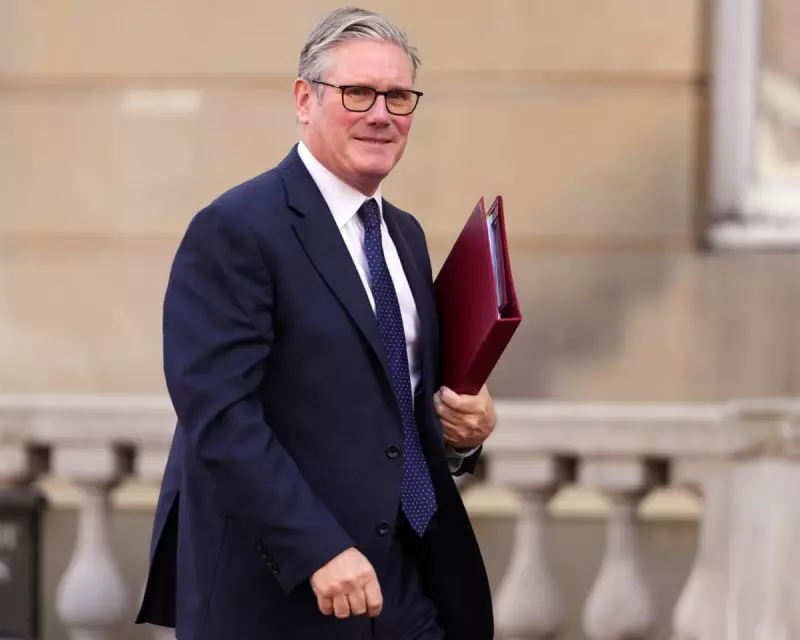
Recent briefings from Keir Starmer's team against supposed leadership challengers have backfired spectacularly, turning what should be a period of stable governance into what one reader describes as a 'rumbling disaster'. The distraction comes at a time when the country faces multiple pressing problems that require urgent attention.
The controversy surrounding Wes Streeting's leadership ambitions has become a major distraction from critical political issues. Readers are demanding that all government members distinguish themselves from their predecessors by demonstrating they understand their fundamental purpose: to act exclusively in the national interest.

Leadership Crisis Deepens
According to Guardian editorial analysis from 12 November, Keir Starmer has failed to signal a resonant or consistent purpose to his leadership and shows no natural capacity for public persuasion. The criticism suggests that Starmer's 'changed' Labour party is struggling now that it must do more than simply not be left-wing like Jeremy Corbyn or not be the despised Conservatives.
As Derrick Cameron from Stoke-on-Trent observes, 'Neither Starmer nor the faction that helped him become prime minister have any new or different ideas to address the multiple problems facing the country.' This sentiment reflects growing concern that the government is relying on worn-out strategies of triangulating to the right, self-preservation tactics, and anonymous hostile briefings against potential challengers.
Public Confidence at Stake
The situation has raised serious questions about Labour's ability to maintain public confidence in politicians, which readers warn will continue to plummet unless the government demonstrates clear purpose and commitment to national interests. The timing is particularly problematic given the numerous challenges facing the United Kingdom that require innovative solutions and united leadership.
Readers from across the country, including Bevelie Shember from Rugby, Warwickshire, have expressed their despair at seeing political infighting take precedence over substantive governance matters that should be dominating political discourse and decision-making.