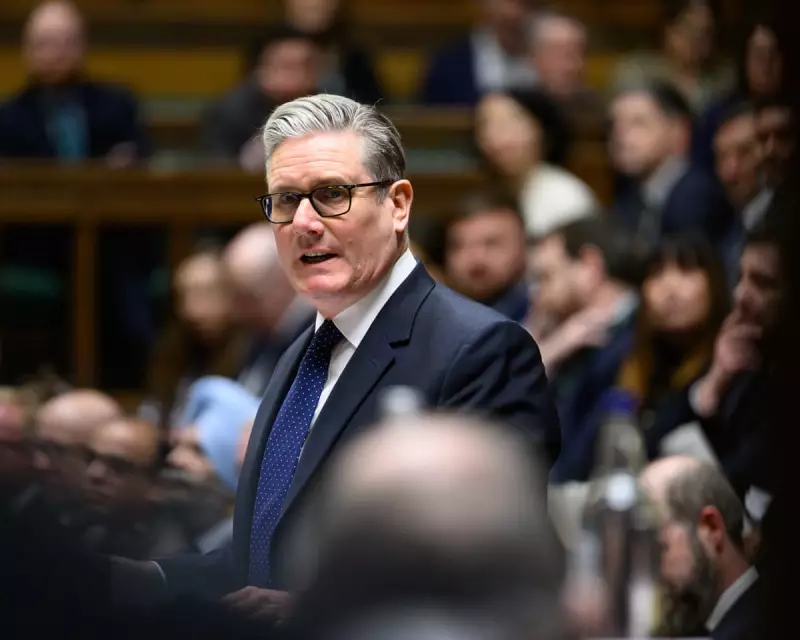
Sir Keir Starmer's government has performed another significant policy U-turn, this time abandoning plans to make a government-issued digital identity card mandatory for workers. The move, confirmed this week, adds to a growing pattern of reversals that critics argue is corroding public confidence and signalling a lack of coherent direction from the Prime Minister.
The Digital ID Volte-Face
In practical terms, the distinction between proving identity online with a passport and using a dedicated digital ID may seem minor. However, the political significance of making possession of a state-issued digital ID a legal requirement is substantial. The scheme was originally announced by Sir Keir last autumn with the stated primary purpose of preventing illegal migrants from working in Britain by ensuring only those with proper entitlement could verify their identity for employment.
Now, Chancellor Rachel Reeves has stated she is "pretty relaxed" about what form of ID is used for verification, effectively scrapping the mandatory element. While the policy is retained in a voluntary form—sold as a way to streamline access to public services—the compulsory aspect has been dropped. This addresses key civil liberties concerns but marks a clear retreat from the government's original hardline position.

A Dangerous Pattern of Reversals
This is not an isolated incident. The digital ID reversal is the latest in a series of policy corrections that have defined the government's tenure. Just last week, the government diluted proposed tax changes that threatened pubs with higher business rates. The previous year, 2025, saw multiple revisions and U-turns, including on contentious plans to withdraw winter fuel payments from some pensioners and to alter inheritance tax thresholds for farmers.
Often, Downing Street has clung to unpopular policies long enough to sustain significant political damage, only to then capitulate to critics. This approach maximises the cost of poorly conceived policy and compounds it with a loss of authority. A bruising example was the proposed benefit cuts last summer, which were abandoned after a futile clash with Labour's own backbench MPs.
Corroding Confidence and Strategic Vision
The combination of initially combative stances followed by retreats has several debilitating effects. It projects an image of weakness and indecision at the top, undermining the Prime Minister's authority. It acts as a disincentive to ministerial loyalty, as those who publicly defend unpopular positions soon find they have wasted their political capital. Most crucially, it signals an absence of the strategic direction promised by a leader who entered office pledging to fulfil a set of clear "missions."
Sir Keir now declares that the cost of living will be the object of his "relentless focus" for 2026. While a sensible priority for any government, ensuring voters do not feel worse off is a necessary but insufficient condition for political success. With domestic economic performance subject to global forces and the ever-present risk of unexpected crises, projecting resoluteness and competence is paramount. A pattern of constant vacillation implies a fundamental lack of conviction, making it difficult to maintain confidence in the Prime Minister's judgment.
The government has numerous potential avenues for a narrative of national renewal—from commitments to renewable energy and planning reform to enhanced rights for workers and renters. Yet articulating a grand, coherent vision has not emerged as Sir Keir's strength. As policy U-turns accumulate, the danger is that the public ceases to believe in the government's purpose long before it has a chance to achieve it.