Labour Government Scraps Outdated Legal Presumption on Parental Contact to Protect Children
In a landmark move to safeguard vulnerable children, the Labour government is introducing sweeping changes to family law that will fundamentally alter how courts handle cases involving abusive parents. The reforms, long championed by campaigners and victims, directly address what critics have called a dangerous legal loophole that has persisted for decades.
Ending a 35-Year-Old Legal Presumption That Put Children at Risk
The cornerstone of the new legislation involves repealing a provision from the 1989 Children Act that required judges to begin with the assumption that maintaining contact with both parents was inherently in a child's best interests. While this principle was originally intended to promote family unity, extensive research and tragic case histories have demonstrated how this presumption can be weaponised by abusive parents to maintain access to children they have harmed.
Under the current system, even when significant evidence of abuse exists, courts must first consider the presumption of parental involvement before evaluating safety concerns. The new Courts and Tribunal Bill will eliminate this starting point entirely, requiring judges to make decisions based solely on comprehensive assessments of child welfare without any automatic bias toward parental contact.

A Campaign Born From Tragedy
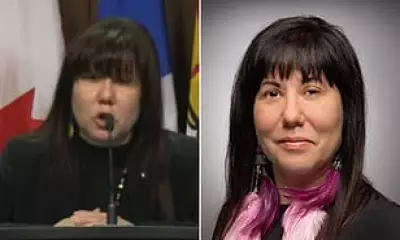
The legislative change represents a hard-won victory for Claire Throssell, MBE and Women's Aid Ambassador, whose two sons—Jack, 12, and Paul, 9—were murdered by their father in 2015 despite her repeated warnings about his dangerous behaviour. For eleven years, Ms. Throssell has campaigned tirelessly to reform what she describes as a system that prioritises parental rights over child safety.
"Seeing that the presumption of parental contact will finally be repealed, and in the memory of my sons, Jack and Paul, is deeply meaningful," Ms. Throssell stated emotionally. "No child should have to hold out a hand for help in darkness, saying that they were hurt by someone who was meant to protect them. No parents should have to hold their children as they die, from the abuse of a perpetrator, as I did eleven years ago."
Practical Implications for Child Protection
The reformed legal framework will empower courts to implement much stricter limitations on parental involvement when safety concerns are substantiated. Judges will now have clearer authority to order:
- Supervised contact sessions in controlled environments
- Communication restricted exclusively to written formats
- Complete cessation of all parental involvement in extreme cases
- Enhanced scrutiny of parental behaviour patterns and history
- Greater weight given to children's own testimony about their experiences
Deputy Prime Minister David Lammy emphasised the government's commitment to creating a justice system that truly protects the vulnerable. "Every child deserves to be safe, every victim deserves to be heard, and every family deserves a justice system they can trust," Lammy declared. "We need to make sure that what happened to Claire and her children never happens again. This legislation puts child welfare at the absolute centre of family court decisions, where it always should have been."
Addressing Years of Political Neglect
The Labour government has positioned these reforms as a direct response to what they characterise as years of inadequate attention to child protection under previous Conservative administrations. While the 1989 legislation contained some safeguards allowing restriction of parental involvement when harm was evident, campaigners argue these provisions were inconsistently applied and often overridden by the overarching presumption of contact.
The new approach represents a philosophical shift from viewing parental contact as an automatic right to treating it as a privilege contingent upon demonstrated safety and positive contribution to a child's wellbeing. Legal experts anticipate the changes will particularly benefit children in situations involving domestic violence, substance abuse, psychological manipulation, and other forms of familial harm that have historically been minimised in custody proceedings.

As the legislation moves through Parliament, child protection advocates are celebrating what they see as a crucial step toward creating a family justice system that truly prioritises the safety and wellbeing of children above all other considerations.