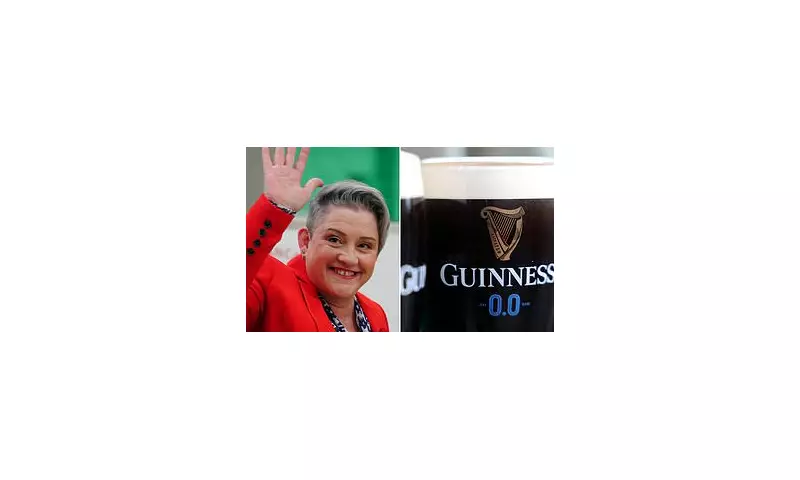
The Labour government is exploring a controversial proposal to ban the sale of non-alcoholic drinks to under-18s in pubs, citing concerns they act as a 'gateway' to full-strength alcohol consumption. This move would prohibit children and teenagers from purchasing popular 0% products like Lucky Saint, Guinness 0.0, Heineken 0.0, and Budweiser Zero in licensed premises.
Health Concerns and Industry Backlash
Ashley Dalton, a Labour health minister, has spearheaded the initiative, arguing that these products are distinct from standard soft drinks. She stated they are 'intentionally crafted' to mimic traditional alcoholic beverages like beer, wine, or spirits. Ms Dalton pointed to evidence suggesting that exposure to such products could normalise drinking behaviours and lead to earlier alcohol initiation, which is linked to harmful drinking patterns later in life.
However, the plan has faced immediate criticism. Opponents argue that banning sensible, alcohol-free alternatives could paradoxically push young people towards 'more sensible' choices and potentially towards illicit or riskier consumption. The proposal comes at a precarious time for the pub sector, which is already grappling with significant financial pressures.

Double Blow for Britain's Pubs
The hospitality industry warns of a potential double hit. Alongside this proposed ban, pubs are contending with Chancellor Rachel Reeves's business rates overhaul. This policy is set to increase the average pub's bill by £1,400 initially, rising to £12,900 over three years. Despite over 2,000 pubs facing closure threats, the Chancellor has so far resisted Cabinet pressure to offer specific support to struggling venues.
This follows another recent Labour policy causing alarm in the sector: plans to slash the drink-drive limit in England and Wales from 35 micrograms of alcohol per 100ml of breath to 22 micrograms, aligning it with Scotland. Reform UK leader Nigel Farage labelled this a 'death knell for country pubs across Britain', especially in rural areas with limited public transport.
Defining the Drinks and the Current Law
UK guidelines clearly differentiate between two categories of alcohol alternatives:
- Low-alcohol drinks: Contain less than 1.2% alcohol by volume.
- Alcohol-free drinks: Contain less than 0.05% alcohol by volume.
Currently, it is illegal to sell alcohol to anyone under 18. While 16 or 17-year-olds may consume a pint or glass of wine with a meal if an adult buys it, they cannot purchase it themselves. There are, however, no existing rules governing the sale of alcohol-free drinks to minors, a market that has boomed in popularity.
A Department of Health and Social Care spokesman reiterated support for the no-and-low alcohol market for adults, acknowledging its potential to help tackle harmful consumption. The government's consultation will now focus on whether to 'regulate access' to these products in line with alcoholic beverages, including the potential under-18 sales ban.