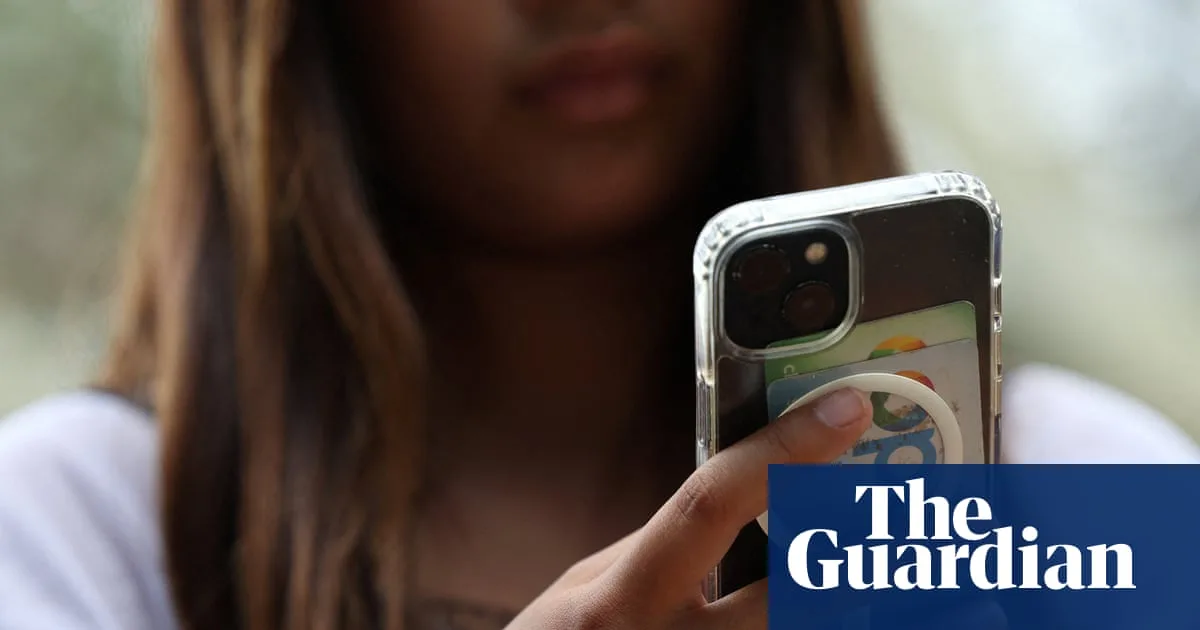
More than 60 Labour MPs have written to Prime Minister Keir Starmer urging him to support a ban on social media for under-16s, as peers prepare to vote on the issue this week. The letter, organised by Fred Thomas, MP for Plymouth Moor View, includes signatories from across the party spectrum, including select committee chairs and former frontbenchers.
The MPs argue that children are experiencing anxiety, unhappiness, and difficulty focusing on learning, and that the government should follow Australia's example by introducing a ban. They state: 'We believe the onus must be placed on technology platforms, not parents, to prevent underage access.' The letter notes similar legislation in Australia, Denmark, France, Norway, New Zealand, and Greece.
Starmer has indicated he is open to a ban in principle but wants to assess evidence from Australia, where a ban came into force in December. Government sources have raised concerns that a ban could drive children to the dark web, and the NSPCC has echoed these worries. Culture Secretary Lisa Nandy told the BBC that there are 'strong arguments' for a ban but also 'real concerns' about pushing children to less regulated online spaces.
The issue will come to a head this week when peers vote on an amendment to the children, wellbeing and schools bill, proposed by Conservative peer John Nash, which would enact an age limit within 12 months of the bill's passage. Labour has not yet confirmed how it will instruct its peers to vote, but several are expected to support the amendment regardless.
Ian Russell, father of Molly Russell, who took her own life after viewing suicide content online, has opposed what he called 'sledgehammer-like techniques like bans'. A Downing Street source suggested Starmer could offer symbolic support for a ban soon, but the government would take time to address implementation challenges.