Labour MPs Demand Action to Save Assisted Dying Legislation
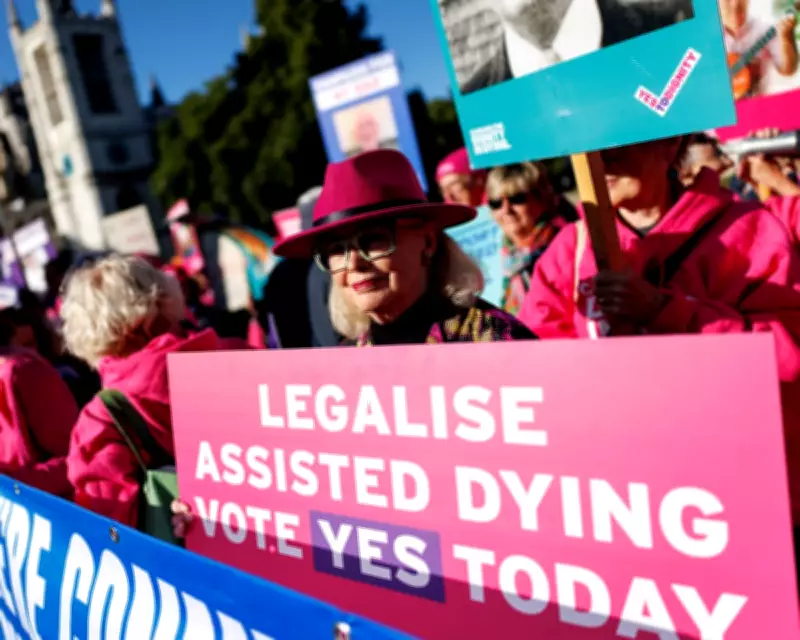
More than 100 Labour MPs have issued a direct appeal to Prime Minister Keir Starmer, calling on him to prevent the House of Lords from obstructing the assisted dying bill through procedural manoeuvres. The legislation, which grants terminally ill individuals in England and Wales with less than six months to live the right to an assisted death, is now certain to fail when the current parliamentary session concludes in May. This outcome is attributed to peers employing multiple amendments and extended debates to stall a final vote.
Cross-Party Pressure Mounts on the Prime Minister
In addition to the Labour MPs, a number of parliamentary private secretaries and ministers have separately communicated with Starmer, emphasising that this issue presents an opportunity for leadership on a matter widely supported by the public. They argue that allowing the Lords to block the will of the elected House of Commons would undermine democratic principles. The private member's bill, sponsored by Labour MP Kim Leadbeater, was passed by the Commons in June last year with a majority of 23 votes.
Opponents of the bill, who have submitted over 1,200 amendments, deny accusations of deliberate filibustering and contend that the legislation is fundamentally flawed. However, in their letter to Starmer, the Labour MPs assert that he should ensure the bill returns to the Commons in the next session following the king's speech. If it passes again, supporters could utilise the Parliament Act of 1911 to bypass any further obstruction by the Lords, marking the first application of this act to a private member's bill.

Parliamentary Deadlock and Time Constraints
The House of Lords has dedicated more than 100 hours to debating the assisted dying bill, yet only half of the proposed amendments have been addressed after 11 days. With merely three more days allocated before the session ends, completing the report stage, third reading, and any amendments returned from the Commons is deemed "effectively impossible" by proponents. Lord Falconer, the bill's sponsor in the Lords, stated there is "absolutely no hope" for its enactment this session without a significant shift in tactics by opponents.
Starmer has also received letters from approximately 150 MPs across parties, including Conservatives, Liberal Democrats, Greens, Plaid Cymru, and Reform, urging him to allocate time for the bill. They argue that a small group of peers opposed to the legislation have submitted the majority of amendments, debated at a sluggish pace. The letter was coordinated by Peter Prinsley, MP for Bury St Edmunds and Stowmarket, who highlighted that procedural tactics are likely to prevent the bill's return to the Commons before the session concludes.
Starmer's Position and Broader Implications
Despite being a supporter of assisted dying, Starmer has thus far shown reluctance to intervene in the parliamentary process, stating it is a conscience matter for MPs and that scrutiny falls to the Lords. He emphasised the need for any legislation to be workable, effective, and enforceable. However, MPs pressing for action maintain that the government's neutrality on the principle of assisted dying should not extend to allowing the Lords to block democratic decisions made by the elected Commons.
Critics of the bill, such as Labour MP Jess Asato, argue that reintroducing it would perpetuate its flaws, as the sponsor has rejected most suggested improvements. Asato claims the bill remains unsafe and could harm vulnerable people, citing opposition from experts like the Royal Colleges. Conversely, supporters like Lib Dem MP Vikki Slade describe the potential failure as a "travesty for democracy" and a tragedy for those awaiting the legislation, including her own father.
The ongoing debate underscores broader tensions between the Commons and Lords, with implications for future private member's bills and the use of procedural tactics in parliamentary processes.