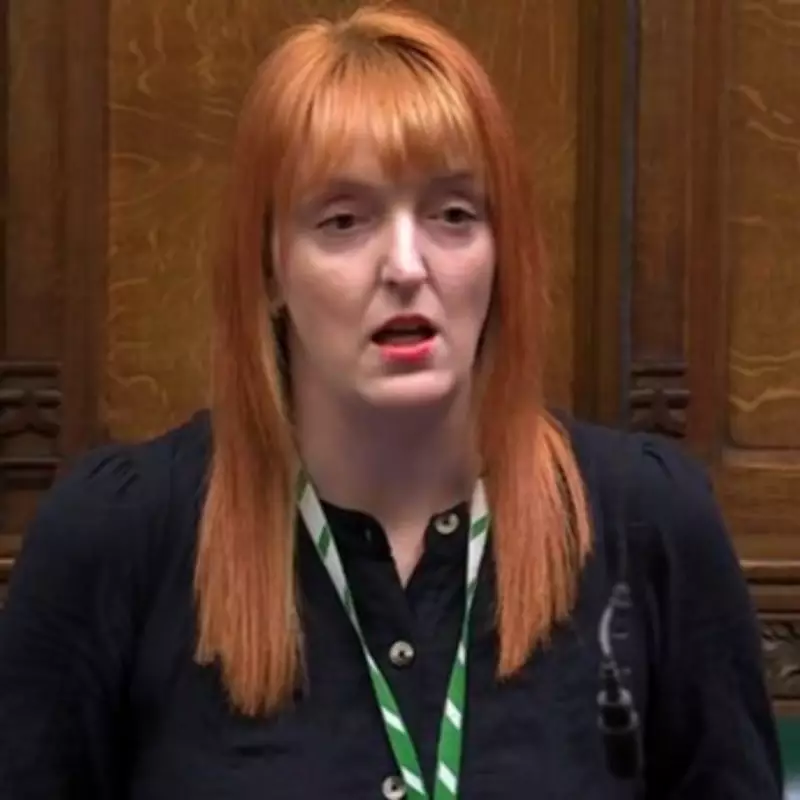
In a profoundly moving and courageous address to the House of Commons, Labour MP Charlotte Nichols has disclosed that she endured a staggering 1,088-day wait for her rape case to proceed to court. The Warrington North representative spoke with raw emotion during a parliamentary debate on Tuesday, detailing her personal trauma and the systemic failures within the criminal justice system.
The Agonising Wait for Justice
Ms Nichols revealed that every single one of those 1,088 days was filled with agony, a suffering exacerbated by her public role as a Member of Parliament. She explained that the mental health consequences of her trauma were played out in the public eye, leading to a period where she was sectioned for her own safety. Disturbingly, she continues to receive regular social media abuse from strangers regarding this event to this day.
A Weaponised Narrative
The Labour MP expressed deep concern that experiences like hers are being weaponised in the current debate over court reforms. She accused the government of using survivors' stories for rhetorical misdirection, arguing that the violence against women and girls sector has not had adequate opportunity to discuss the proposed changes. Ms Nichols stated that the government's framing has pitted survivors against defendants in a manner she finds deeply damaging.

"We have been told that if we have concerns about this Bill, it is because we have not been raped or because we don't care enough for rape victims," Ms Nichols told the Commons. "The opposite is true in my case. It is because I have been raped that I am as passionate as I am about what it means for a justice system to be truly victim focused."
Lammy's Urgent Call for Reform
The powerful testimony comes as Deputy Prime Minister David Lammy urged MPs to support his controversial plans to reduce access to jury trials. Mr Lammy warned that there is an urgent need to address the rapidly rising court backlogs that are delaying justice for thousands of victims across the country.
The proposed reforms have sparked intense debate within Parliament, with Mr Lammy arguing that changes are necessary to streamline the court process and reduce waiting times for cases to be heard. However, critics have raised concerns about the potential impact on defendants' rights and the quality of justice delivered.
Divisions Within Labour Ranks
While Ms Nichols voiced strong reservations about the government's approach, fellow Labour MP Natalie Fleet spoke in support of the proposed reforms. The Bolsover MP, who has previously spoken about her own experience of being groomed and raped, argued that the government is "stepping up for victims" with these changes.
This division highlights the complex and emotionally charged nature of the debate, with survivors of sexual violence holding differing views on how best to reform a system that many believe is fundamentally broken.
The Human Cost of Court Delays
Ms Nichols' testimony provides a stark illustration of the human cost behind the statistics of court backlogs. Her 1,088-day wait represents nearly three years of uncertainty, trauma, and public scrutiny while awaiting her day in court.
"It is because I have endured every indignity that our broken criminal justice system could mete out that I care what kind of reform will actually deliver justice for survivors and victims of crime more widely," she told fellow MPs.
The debate continues as Parliament considers how to balance the urgent need to address court delays with concerns about preserving the integrity of the justice system and ensuring proper support for all victims of crime.