A Labour MP has been suspended from the parliamentary party after rebelling against government plans to impose an inheritance tax on farmers. The dramatic move came on Wednesday 03 December 2025, as Chancellor Rachel Reeves's controversial Budget measures faced fierce opposition from rural communities.
Whip Withdrawn After Commons Rebellion
Markus Campbell-Savours, the Labour backbencher, had the party whip removed by Chief Whip Jonathan Reynolds. This decisive action followed his vote against the Treasury's proposed changes, which he argued would have a devastating impact on family-run farms.
Mr Campbell-Savours was not alone in his dissent. Dozens of other Labour MPs chose to abstain from the key Commons vote. This significant show of resistance came after the National Farming Union (NFU) publicly called on parliamentarians to stand with working people in the countryside.

Protest and Policy: A Day of High Tension
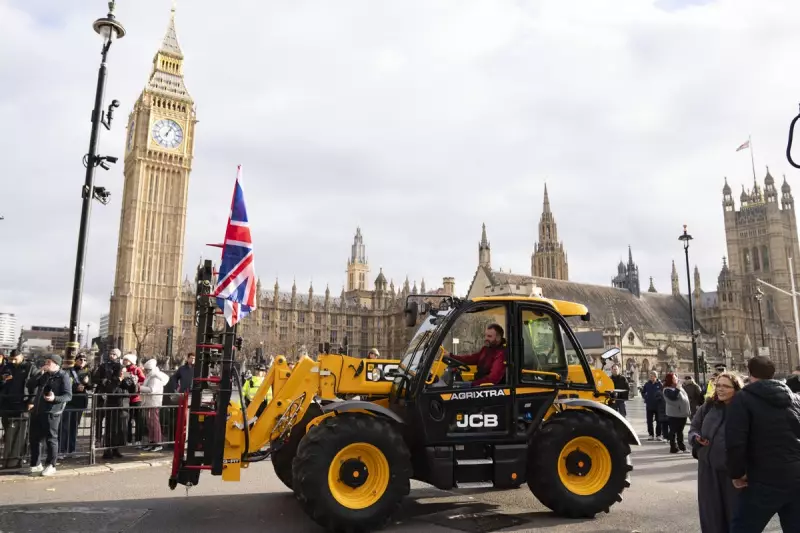
The parliamentary drama unfolded against a backdrop of visible public anger. On the same day, police were forced to intervene to stop banned tractors from joining a major farmers' protest against the Budget announcements in central London.
Inside Westminster, backbenchers echoed the concerns heard outside. They contended that the majority of farmers are not wealthy individuals and that the tax changes would unfairly target elderly farmers preparing to pass on their livelihoods. Critics also argued the policy failed to adequately address tax avoidance by celebrities and billionaires.
Government Prevails Despite Internal Labour Rift
Despite the internal Labour party rebellion and external protests, the government's plans ultimately passed. MPs voted in support by 327 votes to 182, securing a clear majority for the Chancellor's proposal.
A Treasury minister defended the changes during the debate, describing them as a "fair way forward". The suspension of Markus Campbell-Savours underscores the severe political consequences for those who defy the party line on this sensitive and economically significant issue.
The event highlights a growing tension between urban-focused fiscal policy and the protection of the agricultural sector, setting the stage for continued debate over the UK's rural economy.