Labour MP Charlotte Nichols Accuses David Lammy of Weaponising Rape Victims in Court Reform Debate
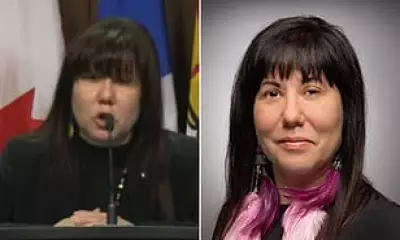
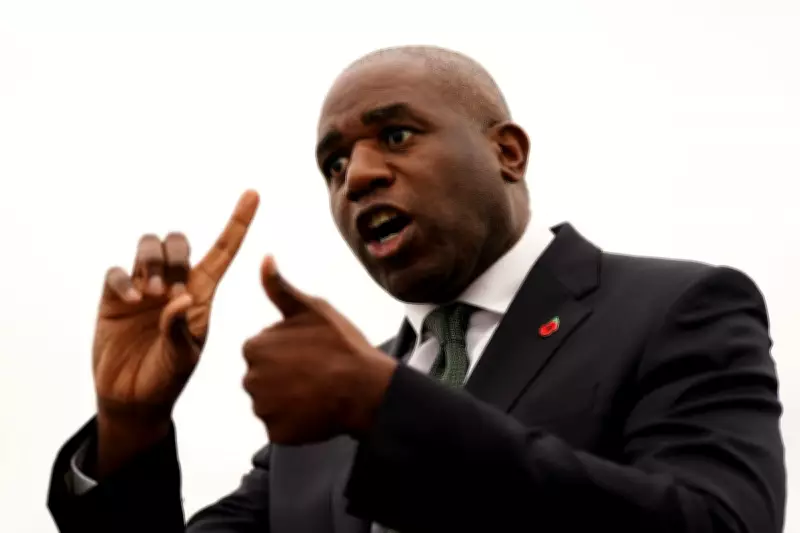
Labour MP Charlotte Nichols has launched a scathing attack on Deputy Prime Minister David Lammy, accusing him of using victims of rape as a "cudgel" to drive through contentious reforms to the courts system. The Warrington North MP, who revealed her own experience of being raped at a parliamentary event, made the emotional intervention during a heated Commons debate on the Courts and Tribunals Bill.
Personal Trauma Meets Political Controversy
Ms Nichols, speaking publicly for the first time in Parliament about her assault, described waiting 1,088 days for her case to reach court as "agony." She detailed how her public role exacerbated the mental health consequences of her trauma, leading to her eventual sectioning for her own safety—an event she continues to receive social media abuse about from strangers.
"Every single one of those days was agony," Ms Nichols told the Commons. "But here's the kicker—in this debate, experiences like mine feel like they've been weaponised and are being used for rhetorical misdirection."

The Controversial Bill at the Heart of the Conflict
The proposed legislation would see cases with likely sentences of three years or less heard by a single crown court judge rather than a jury if passed. Mr Lammy, who also serves as Lord Chancellor, had earlier warned MPs they faced a "stark" choice, arguing there is an urgent need to address rising court backlogs that could reach 200,000 cases within a decade without intervention.
"Victims are currently worn down, people simply give up, cases collapse and offenders remain free," Mr Lammy argued during the second reading debate. "Free to roam the streets, free to commit more crimes, free to create more victims."
A Deeply Divided Labour Response
The debate exposed significant divisions within the Labour Party. While Ms Nichols and other critics voiced strong opposition, Labour MP Natalie Fleet spoke in support of the Government's position. The Bolsover MP, who has previously spoken about her own experience of being groomed and raped, argued the Government is "stepping up for victims."
"I can tell you from personal experience, you know what's worse than being raped? Facing years of waiting to see if people believe you," Ms Fleet told the Commons. "This is not about denying anybody justice. This is about enabling victims and innocent parties to have a more efficient path to getting that justice."
Substantive Criticisms and Alternative Proposals
Ms Nichols rejected the Government's framing of the debate, arguing that the violence against women and girls sector hadn't been properly consulted. She pointed to Rape Crisis England and Wales's "Living in Limbo" report, which outlines five key demands for improving justice for rape victims—none of which, she argued, are addressed by the current Bill.
"Don't say that this Bill helps deliver justice for rape victims, until it actually, materially does," she challenged. The MP also noted that while juries don't make perfect decisions, neither do judges, and expressed concern that the Bill does little to improve victims' experiences in court.
"I still have almost as many nightmares about my experience in the witness stand as I do about my rape," she revealed.
Broader Opposition and Parliamentary Scrutiny
Other Labour MPs joined the criticism, with Karl Turner, a former barrister and longstanding critic of the reforms, branding many of the changes "unworkable, unpopular, unjust and unnecessary." The Kingston-upon-Hull East MP said he would abstain from voting but expressed confidence that "the worst parts of this Bill will be defeated at amendment stage."
Meanwhile, Stella Creasy (Walthamstow) raised practical concerns about whether magistrates' courts have the capacity to take on additional caseload from crown courts under the proposed changes.
Government's Position and Proposed Investment
Mr Lammy defended the proposals as "progressive," highlighting a £2.78 billion investment package and arguing that modernisation is essential alongside reform. His justice minister, Sarah Sackman, has previously stated the Government would carry out the reforms regardless of any backlog, despite calls for a "sunset clause" once backlogs are reduced.

The proposed changes follow recommendations from retired Court of Appeal judge Sir Brian Leveson's review published last year. However, a letter organised by the Bar Council and signed by hundreds of judges, barristers and lawyers has claimed the plans are "based on little evidence."
Political Implications and Future Battles
Shadow justice secretary Nick Timothy accused the Government of "rushing" proposed changes to jury trial through Parliament "at breakneck speed." The debate highlights the complex intersection of personal trauma, justice system reform, and political strategy as the Government attempts to address systemic court delays while facing significant opposition from within its own party and the legal profession.
As the Bill progresses to amendment stage, the tension between addressing court backlogs and preserving traditional jury trial rights continues to create deep divisions, with victims' experiences becoming central to the political argument from all sides.