
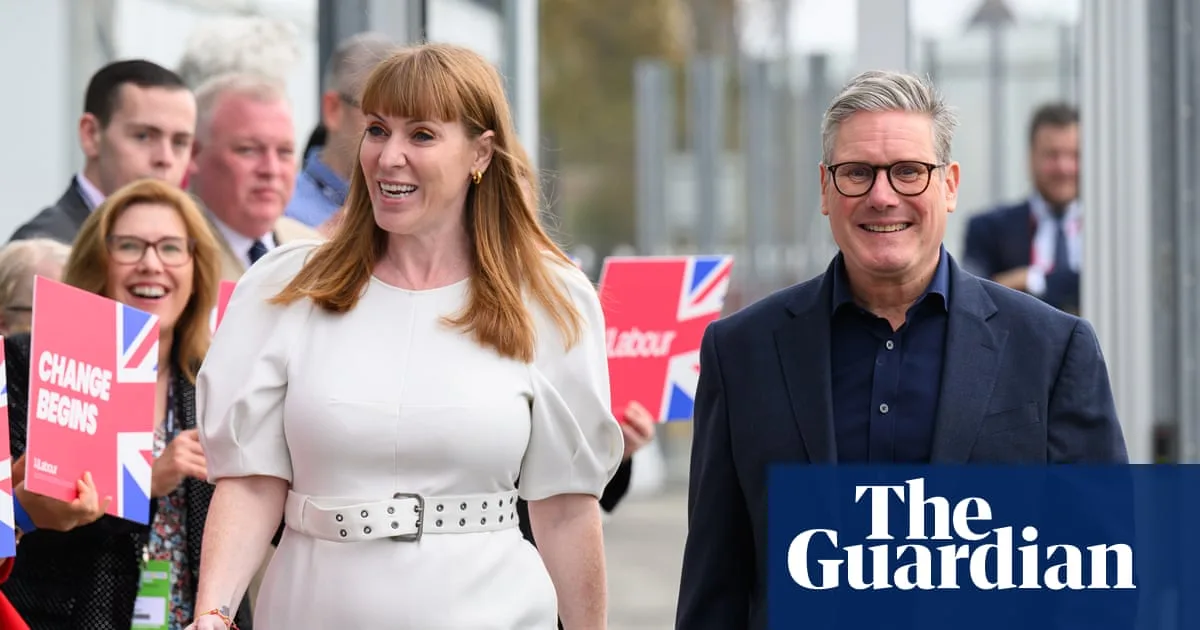
Keir Starmer is fighting to remain as Labour leader after a disastrous set of local election results, with about 40 MPs calling on him to quit. Potential rivals, including Wes Streeting and Angela Rayner, are positioning themselves for a possible leadership contest.
Starmer hopes to save his job with a speech on Monday promising to 'face up to the big challenges' on growth, energy, defence and Europe. However, his prospects appear to be fading as many backers of Greater Manchester mayor Andy Burnham pressure him to resign. One ally of Streeting said: 'Wes isn’t going to challenge Keir but he is preparing in case it all falls apart.'
Rayner, the former deputy prime minister, has set out her prescription for change and warned Starmer he needs to 'meet the moment'. Her supporters say she is not set on being a candidate but is prepared for a leadership run. She also backed a return to parliament for Burnham, who would be the leading candidate to replace Starmer if he could secure a seat.
Business secretary Peter Kyle said it was 'possible' for Starmer to win back areas lost to Reform UK, but he needed to show boldness. 'The window of opportunity has narrowed as a result of the elections last week,' Kyle told Sky News. 'He has to set out a direction and a scale of boldness in the speech.'
Labour backbencher Catherine West is pressing ahead with plans for a 'stalking horse' challenge if Starmer does not set a timetable to quit. Burnham's backers have tried to persuade her to withdraw, as a swift challenge would favour Streeting or Rayner. One MP described West's intervention as chaotic and 'like one of those free-running horses at the Grand National'.
Starmer will attempt to halt the speculation with his speech, in which he will say: 'To meet the challenges that our country faces, incremental change won’t cut it. On growth, defence, Europe, energy – we need a bigger response than we anticipated in 2024, because these are not ordinary times.'




